



How Long Does It Take To See Results From Reformer Pilates?
This is the question I get more than any other, and it is the one I am most careful answering. Not because the answer is complicated, but because there are three completely different questions hiding inside it, and if I answer the wrong one you will quit at week four thinking nothing is happening. Here is the honest timeline, week by week, including the stretch where it feels like nothing is working and something absolutely is.
In this article
- The three questions hiding inside this one
- Weeks 1 to 2, what changes first
- Weeks 3 to 4, the awareness shift
- Weeks 5 to 6, when other people notice
- Weeks 7 to 8, the photo test
- Weeks 9 to 12, the change that stays
- What before and after actually looks like
- Why the scale is the worst measure of this
- What genuinely speeds it up
- What stalls people
- How to track it properly
- Frequently asked questions
The three questions hiding inside this one
When somebody asks how long reformer Pilates takes to work, they usually mean one of these, and the timelines are wildly different.
How long until I feel different. That is fast, faster than most people expect. How long until I look different. That is slower, and it is the one everybody is actually asking. How long until other people say something. That is slower again, and it is the one that surprises you when it lands.
The reason this matters is that the first thing to change is not visible, so if you are only checking the mirror you will conclude nothing is happening during the exact period when the most is happening. Almost everybody who quits reformer Pilates quits in that window.

Weeks 1 to 2, what changes first
You will feel taller. That is the one nearly everybody reports and it happens almost immediately, sometimes after a single session.
You will also be sore in places you did not know existed. Not your quads and not your abs, but the sides of your hips, the underside of your glutes, the small muscles between your ribs. That is the reformer doing its actual job, which is finding the stabilisers your body has been avoiding for years.
What you will not have is any visible change, and you should not expect one. Two weeks of anything does not change your shape. What has changed is which muscles are switching on, and that is the foundation everything else is built on.
One genuinely useful early marker, your back. If you carry low grade tightness from sitting, it often eases inside the first fortnight. That is not muscle growth, it is your posture reorganising itself.
Weeks 3 to 4, the awareness shift
This is the least glamorous stretch and the most important one.
Around week three, training two to four times a week, the movements stop feeling awkward. You are no longer thinking about where your feet go. You start noticing your own alignment away from the machine, standing at the kitchen bench or waiting in a queue. Your breathing changes, deeper and slower, and most people do not consciously notice it until somebody points it out.
You will feel more stable on your feet. Balance improves before strength does, because balance is largely a coordination skill and coordination responds quickly.
Visually, still very little. This is the frustration window. If you are going to lose faith, it happens here, and it happens right before the interesting part.
Weeks 5 to 6, when other people notice
Six weeks is the mark I would give if somebody forced me to name one number.
Around here your muscles stop only feeling stronger and start looking it. The most common places are the sides of the glutes, the backs of the arms, and the line along the outer thigh. Your midsection looks flatter, and worth being precise about this, that is usually better control and better posture rather than fat loss. You are holding yourself differently and it shows.
Clothes are the honest signal at this stage, well before the mirror is. Waistbands sit differently. Fitted things fit differently through the back and shoulders. The scale often has not moved at all.
This is also where consistency starts to compound rather than accumulate, so if you have been at two sessions a week and you can find a third, this is the moment it pays off most.
Weeks 7 to 8, the photo test
The 6 to 8 week window is where most people see it in photographs, which is a different thing from seeing it in the mirror.
Mirrors are useless for this because you look at yourself daily and gradual change is invisible at that resolution. A photograph from week one next to a photograph from week eight is a different experience entirely, and it is the single most motivating thing I recommend to anybody starting.
What shows up in those photos, usually in this order. Posture first, shoulders sitting back rather than rolled forward. Then waist definition, which is largely the obliques finally doing their job. Then arms and legs.
Movement quality changes here too, and it is worth registering as a result even though you cannot photograph it. Stairs feel easier. Getting up off the floor stops involving a strategy.
Weeks 9 to 12, the change that stays
Three months in, the change is structural rather than temporary.
Visible tone through the upper arms, back and thighs. Core strength that shows up in ordinary life, carrying shopping, lifting a toddler, sitting through a long drive without your back complaining. Old aches that used to flare regularly flare less. And a different relationship with movement generally, where you are more likely to take the stairs because your body no longer talks you out of things.
You may not have lost a single kilogram and you will look leaner. That combination confuses people constantly, and the explanation is in the next section.

What before and after actually looks like
Reformer Pilates before and after photos look different from most fitness transformations, and if you are expecting the usual thing you will misread your own progress.
What changes is shape and posture rather than size. In a genuine reformer transformation you tend to see the shoulders sitting back and down, the ribcage stacked over the pelvis instead of flared forward, a longer looking torso because the spine is decompressed rather than because anything grew, more definition along the outer glute and outer thigh, and arms that look more defined without looking bigger.
What you usually do not see is dramatic weight change. Reformer Pilates is not a large calorie burn compared to running or heavy lifting. It builds lean muscle and it reorganises how you carry yourself, and both of those change your silhouette without changing the number on the scale much.
Be sceptical of the extreme before and after images online. A great many are the same body photographed at different times of day, in different lighting, with different posture. Reformer Pilates gives you a real change, and a real change looks quieter than an advertisement.
Why the scale is the worst measure of this
If you weigh yourself to judge reformer Pilates, you will conclude it does not work, and you will be wrong.
Two things happen at once. You gain a little lean muscle, particularly through the glutes, back and shoulders. And your posture changes, which alters how your body distributes rather than how much of it there is. Neither of those moves the scale down, and the first one can move it up.
People also often report looking slightly fuller in the first two or three weeks. That is normal, it is muscles holding a bit more fluid while they adapt to unfamiliar work, and it settles. It is not fat gain and it is not a reason to stop.
Use clothes, photographs and how you move. Those three tell you the truth. The scale is measuring the one thing this training is least designed to change.
What genuinely speeds it up
Four things, in order of how much they matter.
Frequency is first. Three sessions a week rather than two is the biggest single lever, because the gap between sessions never gets long enough for you to start relearning. I have written more on how many sessions a week actually makes sense.
Form is second, and it beats effort. A controlled, precise repetition on a light spring does more than a rushed one on a heavy spring. If you are using momentum, you are travelling past the muscle rather than through it.
Protein and sleep are third. Muscle adapts while you rest, not while you train, and undereating protein is the most common reason somebody trains consistently for two months and sees very little.
Adding walking is fourth. It is unglamorous and it does more for visible change than adding a fifth reformer session, because it adds energy expenditure without competing for the same recovery.
What stalls people
The pattern is remarkably consistent. Sessions get skipped and the week drops to one. Movements get rushed, which is nearly always a sign of trying to fit a session into too little time. Springs never change, so the body has nothing new to adapt to. And range quietly shrinks, so you keep working in the comfortable middle of a movement and never visit the part where the work actually is.
The other one worth naming, training on a machine that is fighting you. If the carriage catches, if the frame flexes, if the springs are inconsistent, your body braces against the equipment instead of working. That is not a small thing over three months.
How to track it properly
If you do one thing from this article, do this.
- Photographs every three to four weeks. Same spot, same time of day, same light, same clothing, relaxed posture. Front, side and back. Not every day, because daily photos show you noise rather than progress.
- One sentence after each session. What felt hard, what felt easier than last time. Two months of these is the clearest record of progress you will ever keep, and it captures the improvements photos miss.
- One garment as your benchmark. Pick something fitted and check it monthly. It is more sensitive than the mirror and more honest than the scale.
- Note your springs and your range. If you are on the same springs at the same range as eight weeks ago, that is your answer about why nothing is changing.
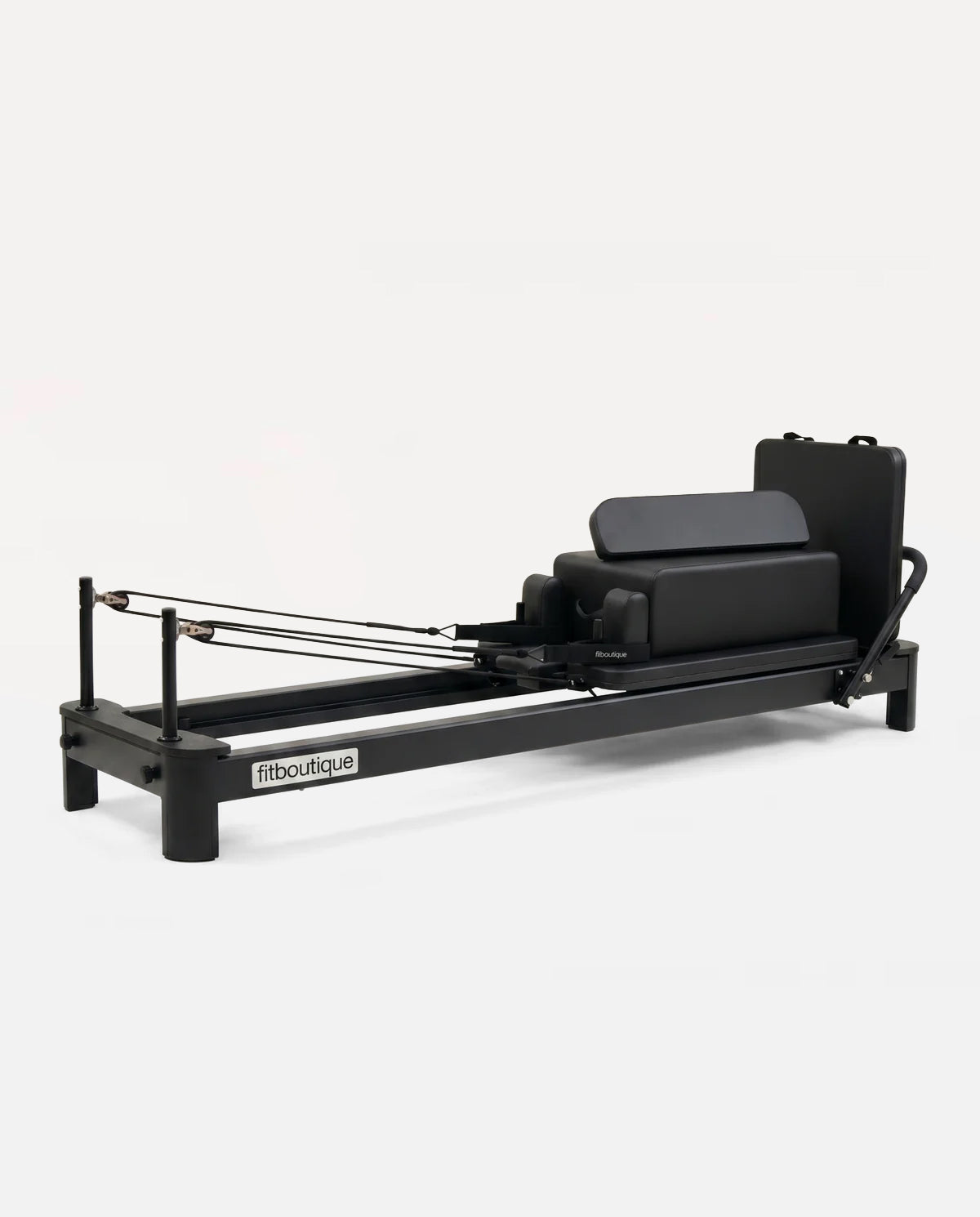
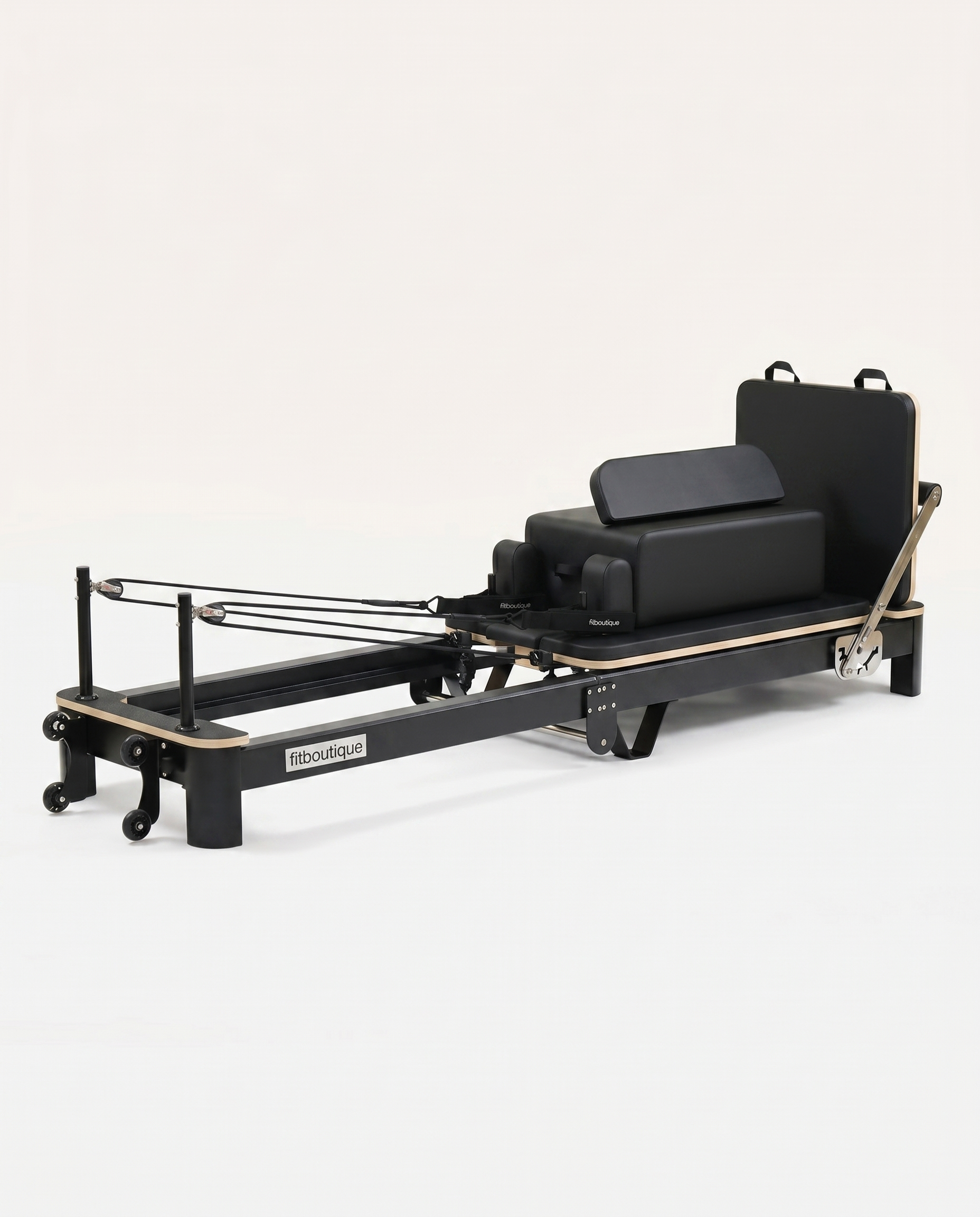
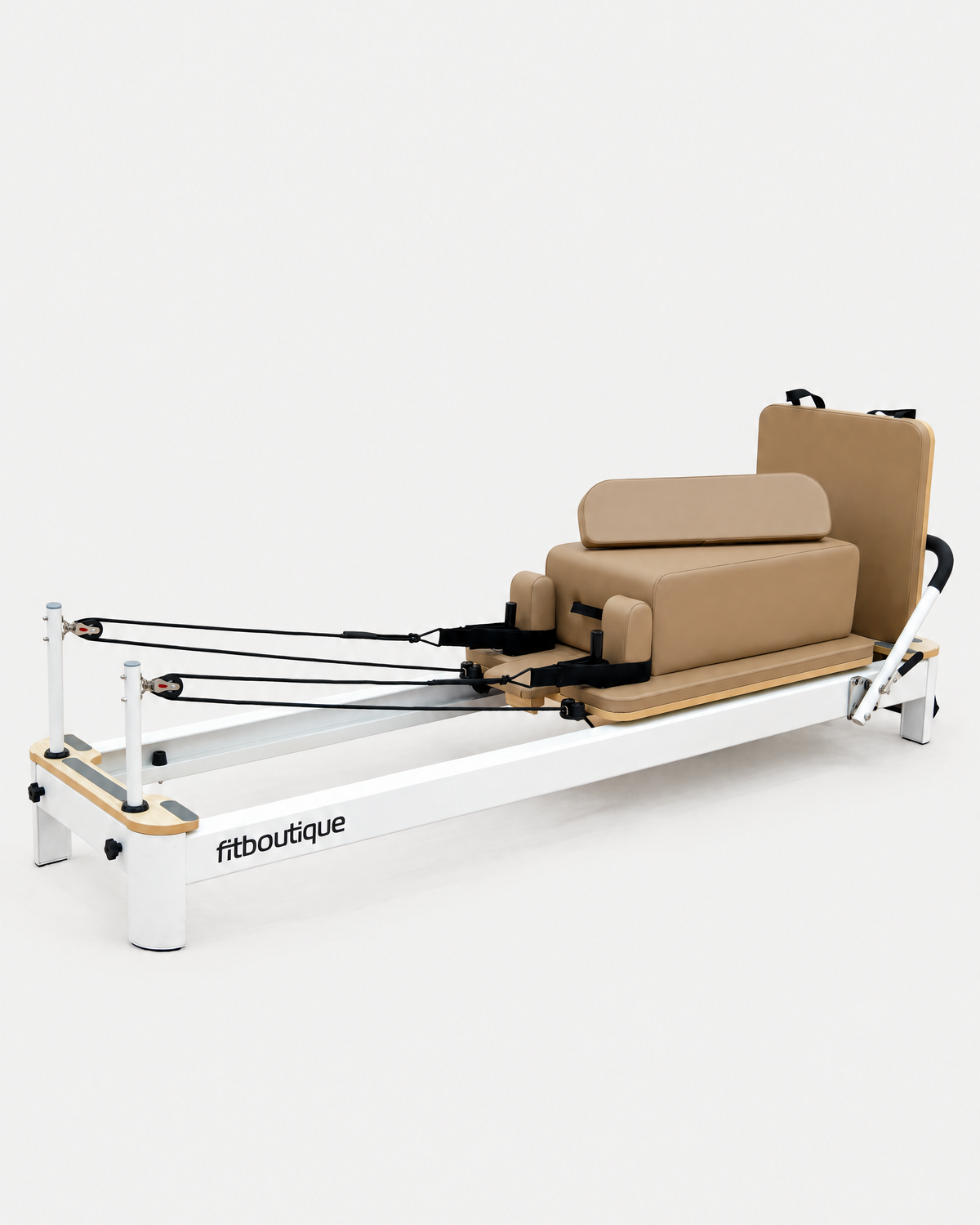
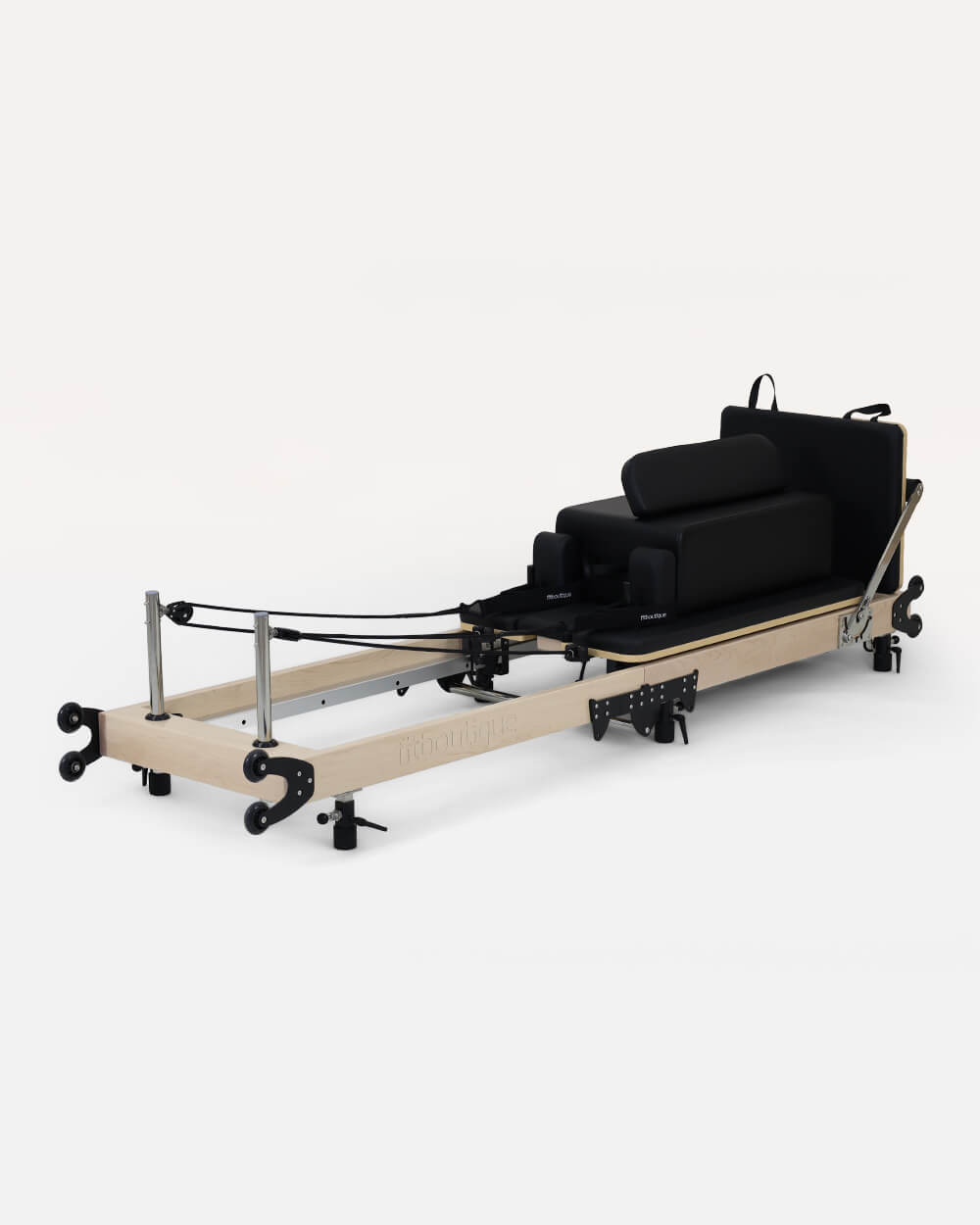
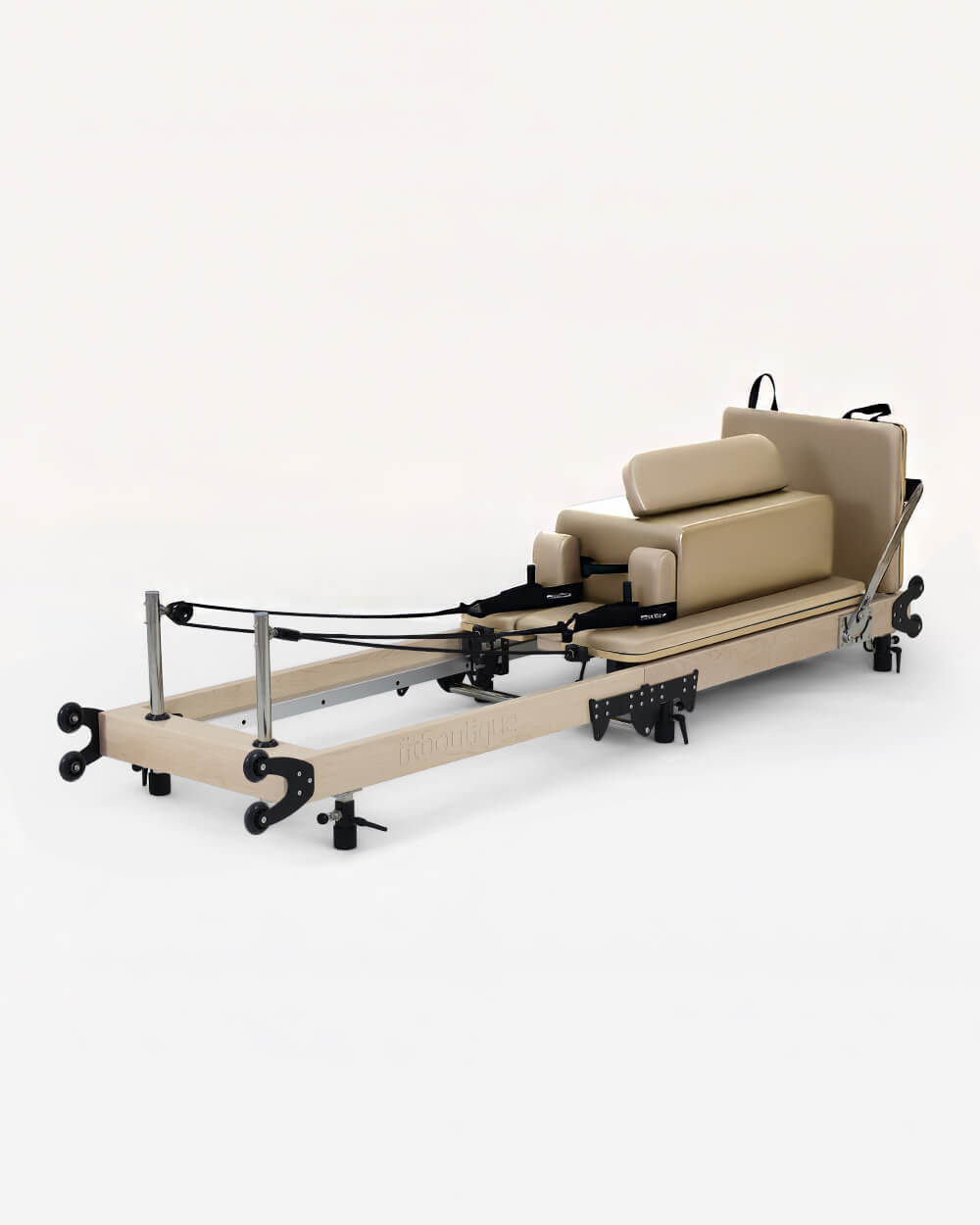
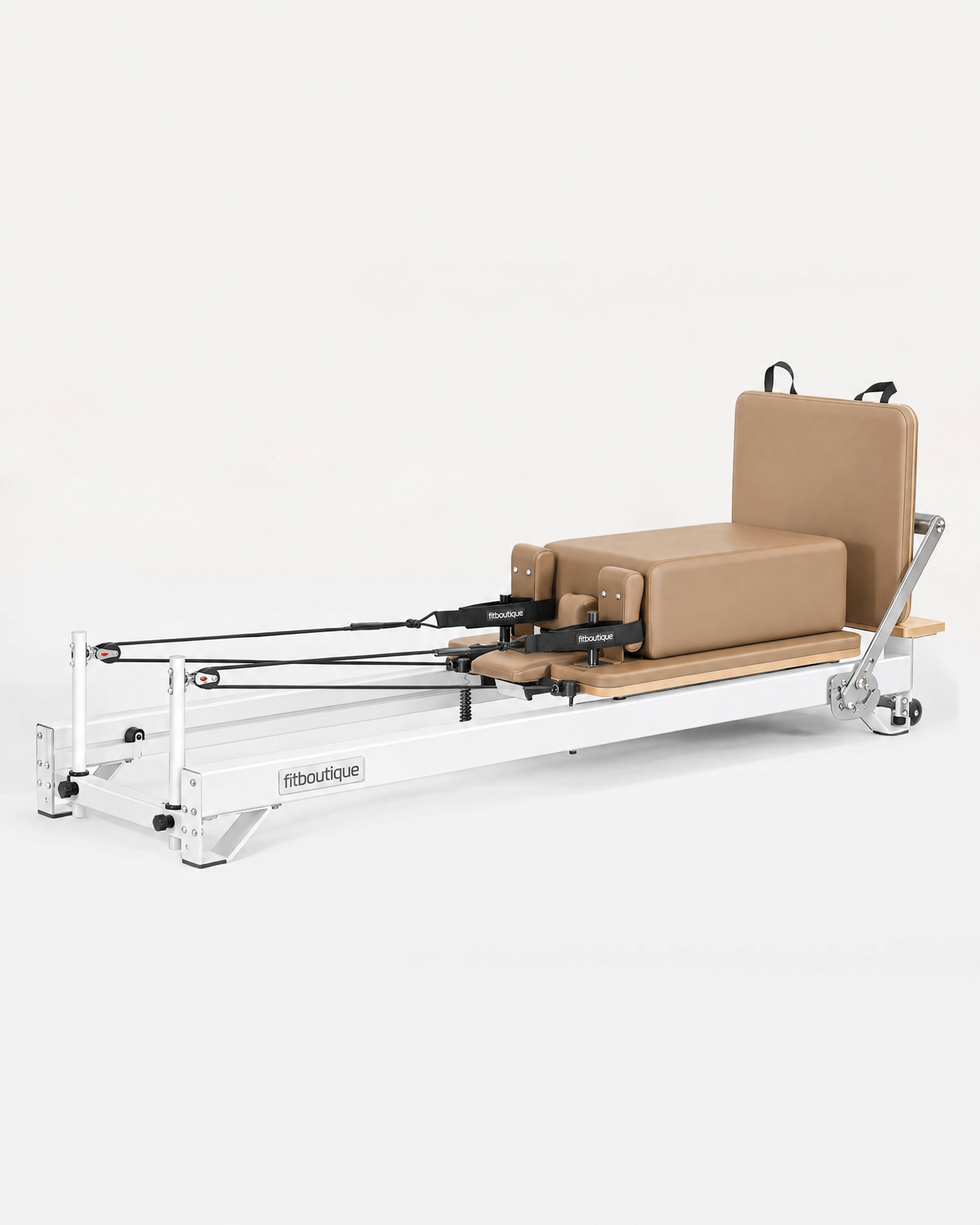
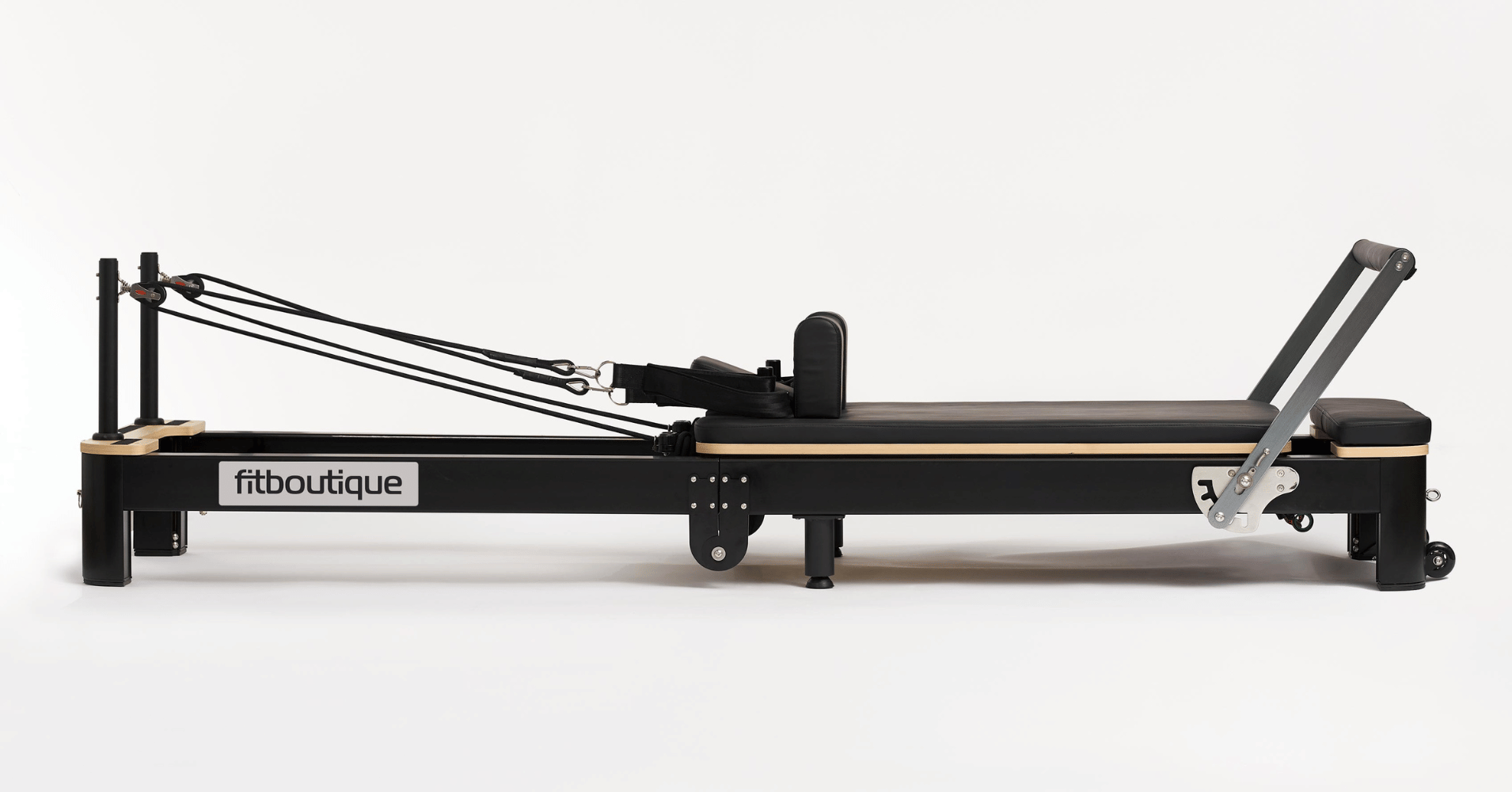
Consistency is far easier when the machine is right there. If yours needs to fold away between sessions, the Onyx Fold Reformer and the Ivory Reformer stand upright on their wheels and share identical specifications. If it stays out, the Onyx Reformer and The Studio Reformer are the ones I would point you at.
A Note From Ayrah
I want to say something about progress photos, because I got this wrong for a long time and I think most people do.
When I started, I took my photos whenever I remembered. Which in practice meant I took them when I felt good. After a session, in the evening, in decent light, standing the way you stand when you know a camera is pointed at you. Every photo looked better than the last one and I felt fantastic about it.
Then around month three I took one first thing in the morning, unplanned, in the bathroom, and it looked like nothing had changed at all. It knocked me sideways for about a week. I had been comparing my best moment to my best moment and calling it evidence.
So now I do it the boring way. First thing in the morning, before anything, same corner of the same room, same light, standing normally rather than posing. The photos are unflattering and they are the only ones that mean anything, because the comparison is actually like for like.
Here is the part that surprised me. The unflattering series was more motivating in the end, not less. When a photo you have not curated shows real change, you believe it. The flattering ones stop working within about a month because some part of you knows what you did.
Frequently Asked Questions
How long does it take to see results from reformer Pilates?
You will feel changes in posture, balance and back comfort within the first two weeks. Visible muscle tone typically shows around six weeks with three sessions a week. Change that is obvious in photographs usually lands in the 6 to 8 week window, and change that feels permanent is a 9 to 12 week story.
How long if I only do it twice a week?
Expect roughly double the timeline for visible change, so more like 10 to 12 weeks rather than six. Twice a week still delivers the feel better benefits on the normal schedule, because posture and back comfort respond faster than muscle tone does.
Will reformer Pilates change my body shape?
Yes, but through posture and lean muscle rather than through size. The most common visible changes are shoulders sitting back, a longer looking torso from a decompressed spine, more definition along the outer glute and thigh, and more defined arms without added bulk. It changes your silhouette more than it changes your weight.
How long until I lose weight with reformer Pilates?
Reformer Pilates is not a large calorie burn compared with running or heavy lifting, so weight loss is not what it is best at. Plenty of people look noticeably leaner after three months without the scale moving. If weight loss is the specific goal, reformer Pilates works best paired with daily walking and adequate protein rather than on its own.
Why do I look bigger since I started?
This is common in the first two or three weeks and it is not fat gain. Muscles working in unfamiliar ways hold a little more fluid while they adapt, and it settles on its own. If you stop at this point you will miss the change that starts arriving around week five.
What if I have seen nothing after eight weeks?
Check four things in this order. How many sessions you actually completed rather than intended. Whether your springs and range have changed at all since week one, because unchanged load means nothing new to adapt to. Whether you are eating enough protein. And whether you are rushing repetitions, since momentum carries you past the muscle instead of through it. One of those four is nearly always the answer.
Does training at home work as well as a studio?
Yes, provided the machine is a proper one and you stay consistent. The variable that matters is completed sessions, and most people complete more at home because starting takes minutes rather than an hour. What a studio gives you that home does not is an instructor correcting your form, which is worth a handful of sessions early on even if you then train at home.
Do beginners see results faster?
Generally yes for the first stretch. If you are new to this kind of movement there is a lot of easy improvement available, mostly in coordination and posture, and it arrives quickly. Progress becomes slower and more deliberate after the first few months, which is normal and not a sign anything is wrong.
Give Yourself Twelve Weeks
Commercial grade reformers with a 6 spring system, free delivery Australia wide, spare parts held in Melbourne and a 5 year warranty.
Compare Every Reformer
Written by Ayrah Yuso
I'm part of the FitBoutique team and have a solid passion (and love) for all things exercise related, including Reformer Pilates

















Leave a comment