




Article: Is A Pilates Studio Profitable

Is A Pilates Studio Profitable
Is a Pilates studio profitable? It can be, and well run reformer studios are. But whether yours makes money comes down to 3 numbers more than anything else: how many seats you have, how many of them you fill, and how much you pay for rent and instructors before a single client walks in. Demand is rarely the problem. Fixed costs and empty reformers are.
I have read most of what ranks for this question, and a lot of it is written by booking software companies quoting margin ranges with no source behind them. So I have done this differently. Below is the industry data I could actually verify, the seat maths that decides profit, a worked example you can change to suit your own numbers, and the mistakes that sink studios that should have worked.
In this article
The short answer
A reformer Pilates studio is profitable when it fills enough of its reformers, at a high enough average price, to cover rent, instructors and running costs with room to spare. Most of the cost of a studio is fixed, so every extra client in a class you are already running is close to pure profit, and every empty reformer is money you have already spent.
That is why 2 studios with the same timetable and the same prices can have completely different results. One fills 8 of 10 reformers in most classes. The other fills 5. The first is a good business. The second is an expensive job.

What the industry data actually says
The most credible numbers I could find for Australia come from IBISWorld, which tracks Pilates and yoga studios together as a single industry. Their figures are worth knowing before you sign anything.
Revenue is falling while studio numbers grow. IBISWorld estimates industry revenue at $670.7 million in the 2025 to 2026 financial year, after an annualised decline of 3.9% over the 5 years to that point. Over a similar period, the number of businesses grew at 3.4% a year to 3,823 in 2026. Put simply, there are more studios sharing a smaller pool of revenue.
People are still doing Pilates. IBISWorld notes that participation growth has remained strong, but that intensifying competition has capped prices and that digital options have taken some revenue away from studios. Competition is described as high and increasing.
My read on this is simple. Interest in Pilates is not the risk. The risk is opening a studio that relies on charging more than the one down the road, in a market where prices are being held down. Profit has to come from how well the studio runs, not from the trend.
About the margin figures you see online. You will see profit margins of 15% to 30% quoted for reformer studios over and over. I went looking for where that range comes from and could not find a primary source behind it. It may well be right for some studios, but I would not build a plan on a number nobody can trace. Build it on your own maths instead, which is what the rest of this post is for.
For a sense of what a profitable studio looks like from the outside, a reformer studio in the Brisbane region listed for sale through Link Business at an asking price of $495,000, advertising 250+ active direct debit members and operation under management. Revenue and profit were not published, which is normal for listings, but the shape is telling. The value sits in a large base of recurring members, not in the fit out.
The seat maths that decides profit
Every reformer studio runs on the same equation. Once you see it, you can test any idea, any lease and any timetable against it.
Weekly revenue = reformers × classes per week × fill rate × average revenue per visit.
- Reformers. Your maximum class size. Most reformer studios run somewhere around 8 to 12 machines, limited by floor space and by how many clients 1 instructor can genuinely watch.
- Classes per week. Limited by your opening hours, your instructors and, most of all, by when clients actually want to come. Early mornings, evenings and weekend mornings carry most studios.
- Fill rate. The percentage of reformers that are booked and used across every class you run, including the quiet ones. This is the number that moves profit the most, and the one most new owners are too optimistic about.
- Average revenue per visit. Not your casual class price. It is what you actually collect per client visit once memberships, class packs, intro offers and no shows are averaged out, minus GST if you are registered for it.
That last point catches a lot of people. In Australia, Airtasker pricing data updated in May 2026 puts casual reformer classes at $30 to $50, 10 class packs at $175 to $400, and weekly reformer memberships at $28 to $49. A 10 pack at $250 is $25 a class before GST. A member paying $40 a week who comes 2 times a week is $20 a visit. Your casual price might say $40, but your average will be well below it.

A worked example
These are my example numbers, not industry averages. Swap in your own rent, wages and prices. The point is to see how the pieces move together.
The studio. 10 reformers, 30 classes a week, an average of $25 per visit after GST.
Instructor costs. Payscale puts the average Australian Pilates instructor at $37.67 an hour in 2026, from a fairly small sample of 41 salary profiles. Allow $40 a class, plus the 12% superannuation guarantee that applies to employees from 1 July 2025 according to the ATO. That is $1,344 a week, or about $5,824 a month.
Everything else. Say $7,000 a month in rent, $3,000 for software, payment fees, insurance, power, cleaning and marketing, and $1,000 set aside for equipment finance and maintenance. That is $11,000 a month.
Total monthly costs: about $16,824.
Now watch what fill rate does.
At 50% full. 150 visits a week brings in about $16,250 a month. The studio loses around $574 a month.
At 70% full. 210 visits a week brings in about $22,750 a month. Profit is around $5,926, a margin of about 26%.
At 85% full. 255 visits a week brings in about $27,625 a month. Profit is around $10,801, a margin of about 39%.
Same studio, same rent, same prices. The only thing that changed was how many reformers had someone on them, and it is the difference between losing money and a genuinely good business. In this example the studio breaks even at roughly 52% full.
If you want to work through the setup side in detail, our guide to how much it costs to open a Pilates studio covers the upfront costs, and our Pilates studio business plan guide shows how to turn this into a plan a bank will read.
Owner pay is not the same as profit
This is the part most profitability articles skip, and it is the one that matters most to anyone opening their first studio.
If you teach 15 of those 30 classes yourself and do not pay yourself for them, the studio looks far more profitable than it really is. What you are actually doing is working a job and calling the wages profit.
The honest test is to cost every class as if you were paying an instructor to teach it, which is what my example does. Whatever is left after that is the real profit of the business. Your own teaching is paid on top, as a wage. If the studio only works when you teach half the timetable for free, it is not yet a profitable business, it is a business that depends on you.
That does not make it a bad decision. Plenty of instructors open a studio to have control over how they teach and earn more per class than they would elsewhere. Just be clear about which one you are building.
The same maths applies in the US. The US Bureau of Labor Statistics put the median wage for fitness trainers and instructors at $47,160 a year in May 2025. Rent and class prices vary hugely by city, so plug in local numbers and the equation still holds.
Where the profit actually comes from
Once rent and wages are covered, these are the levers that turn a studio that survives into one that does well.
Retention over acquisition. Members who stay are the whole business. An intro offer that brings in a lot of people who never convert fills your classes with low paying visits and gives you nothing to build on. Our guide to client retention for Pilates studios goes deeper on this.
Filling the quiet classes, or cutting them. A 10am class that runs at 30% full still costs you an instructor. Either price it differently, give it a clear purpose such as a beginners or seniors class, or drop it and put those hours somewhere busier.
Private and small group sessions. They earn more per hour of instructor time than a large class, and they are often where clients recovering from injury or new to Pilates start. They also use a reformer that would otherwise be sitting empty during the day.
Pricing that reflects your actual average. Price your memberships with your real average visit in mind, not your casual rate. Our post on pricing Pilates classes for profit walks through the options.
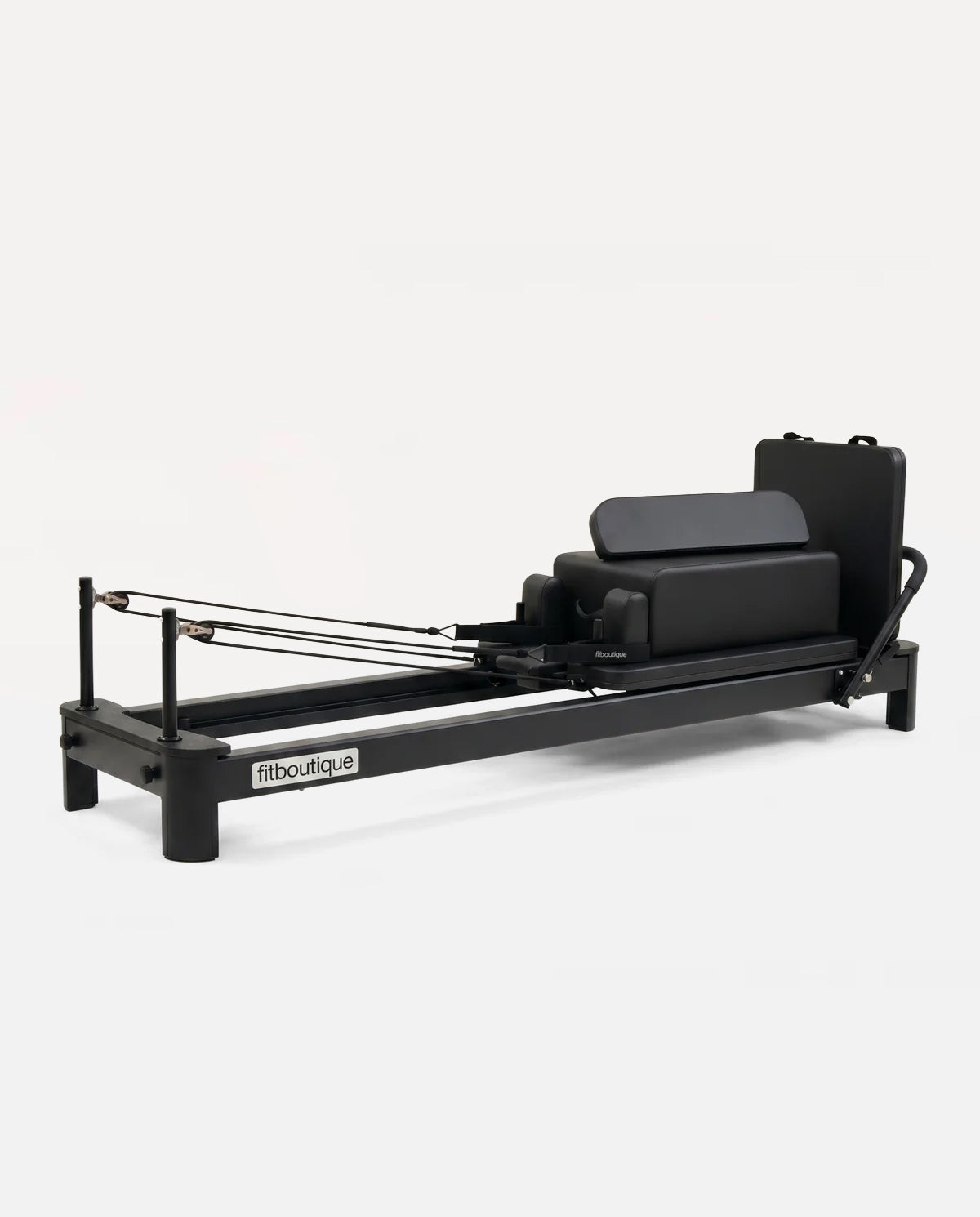
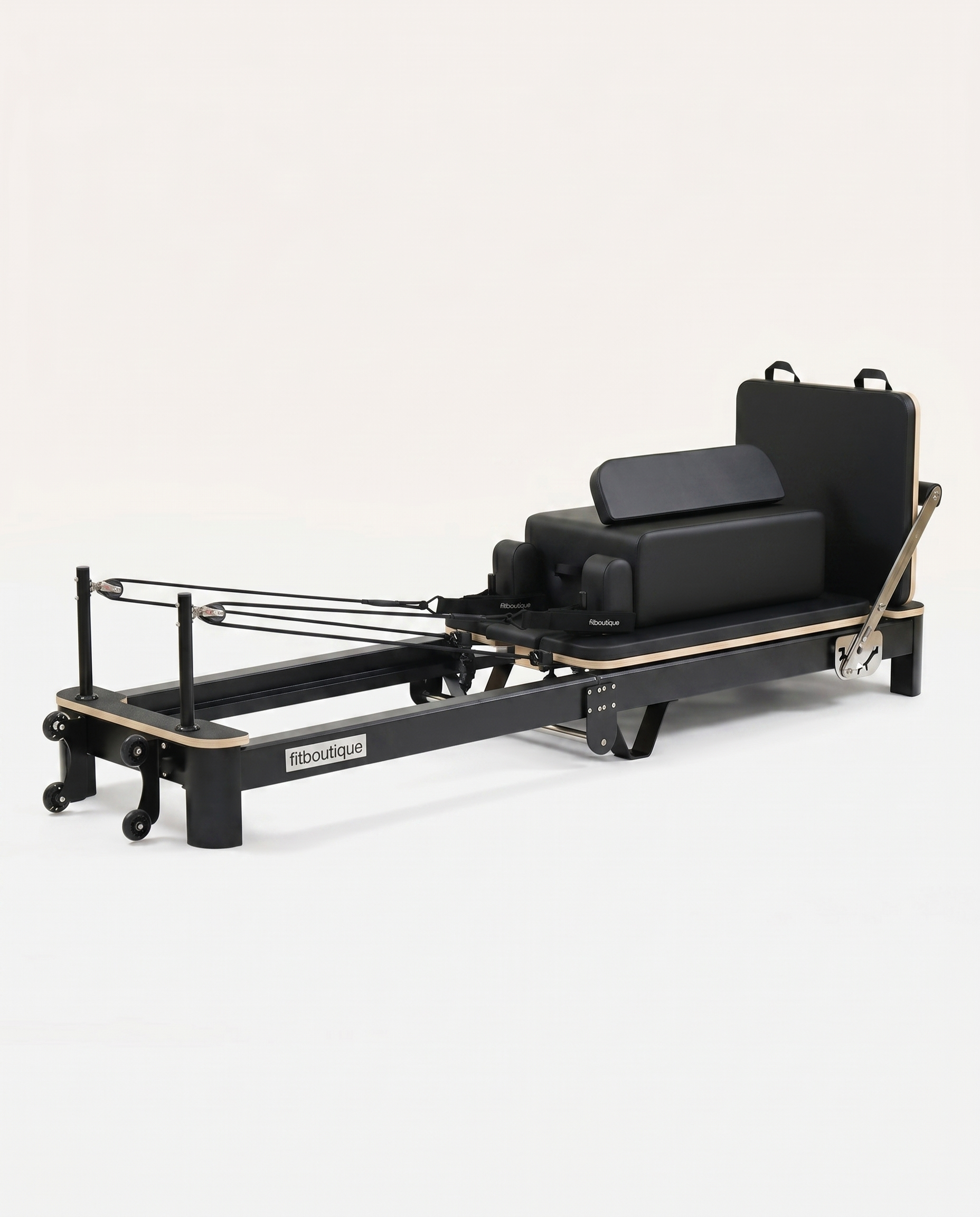
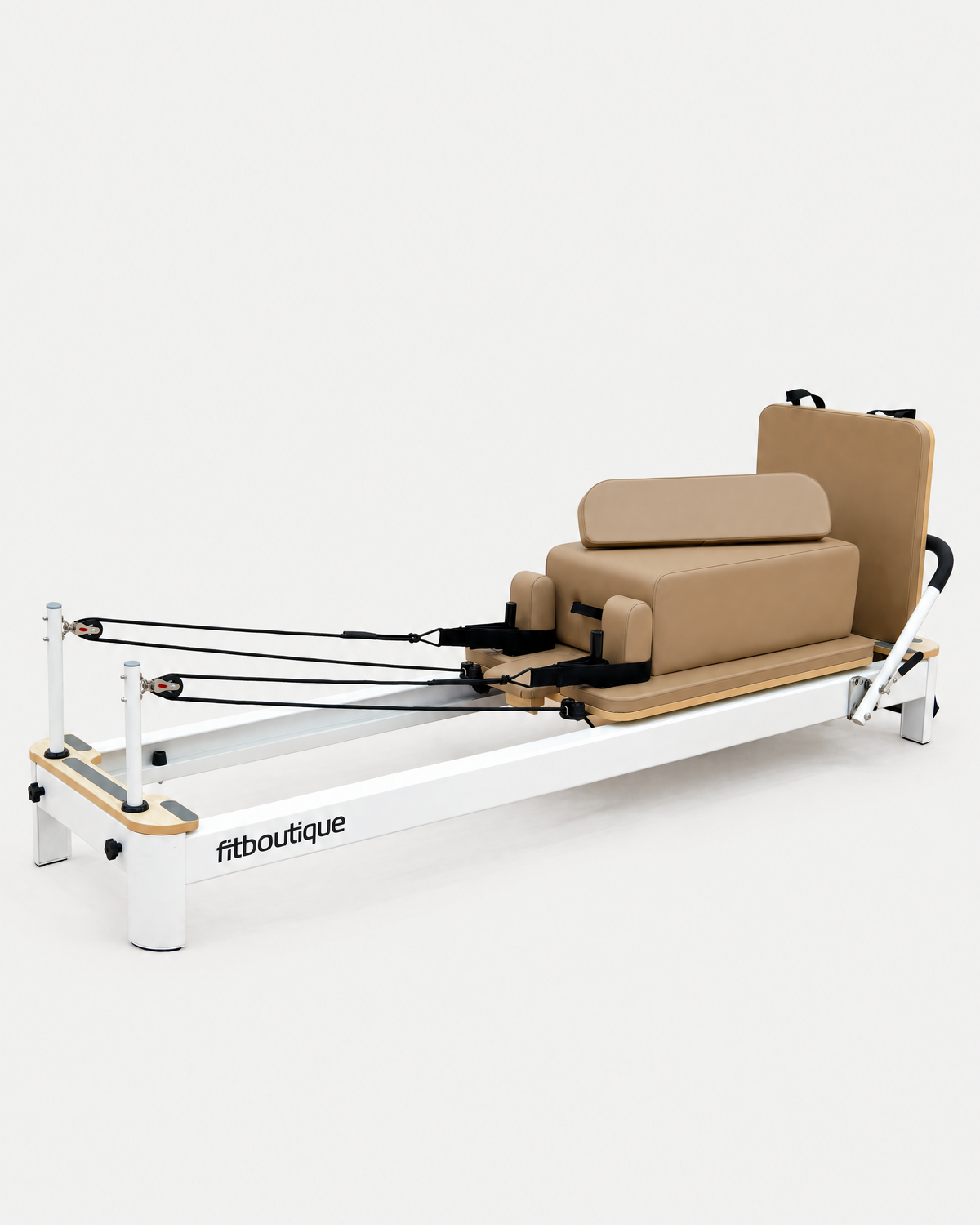
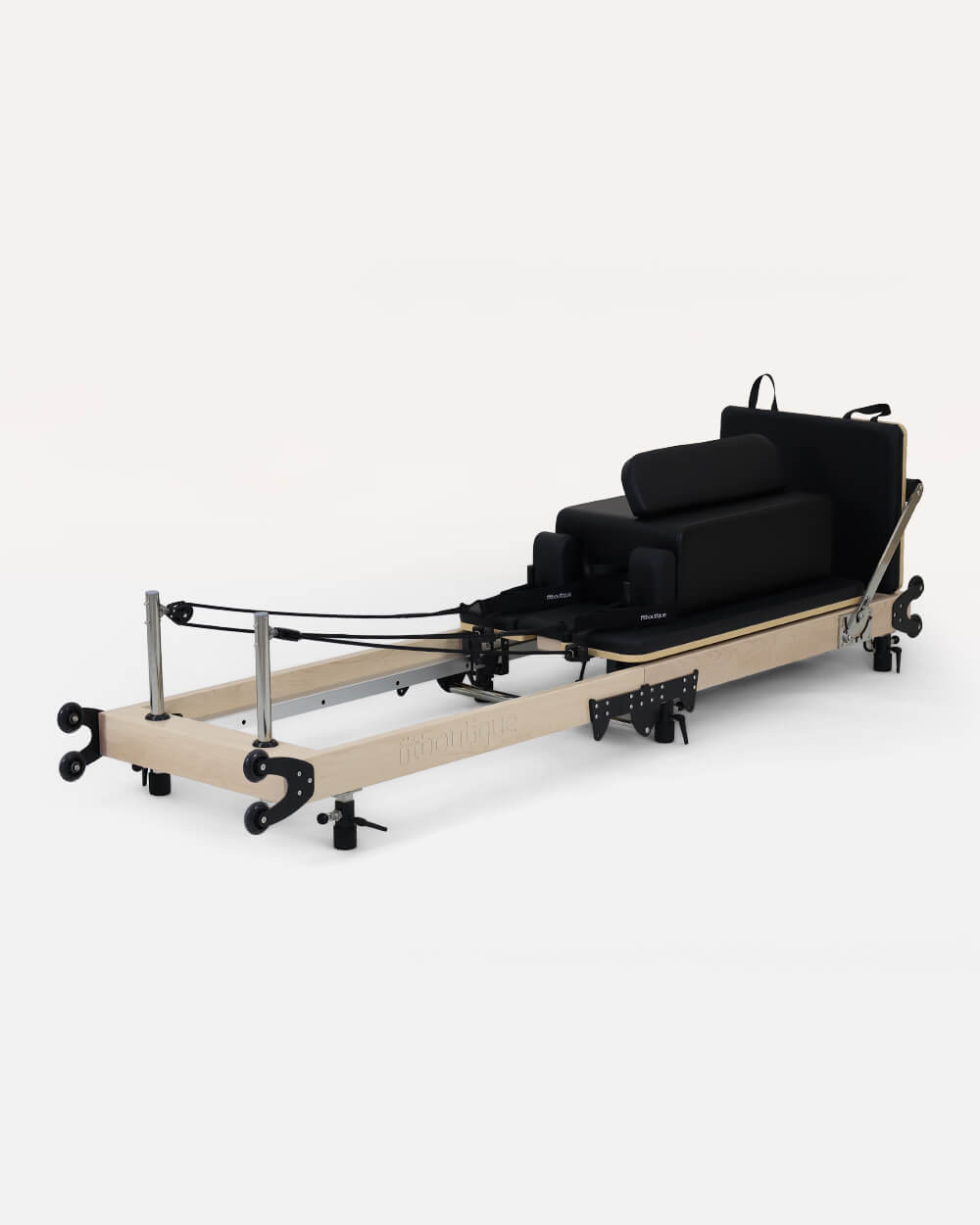
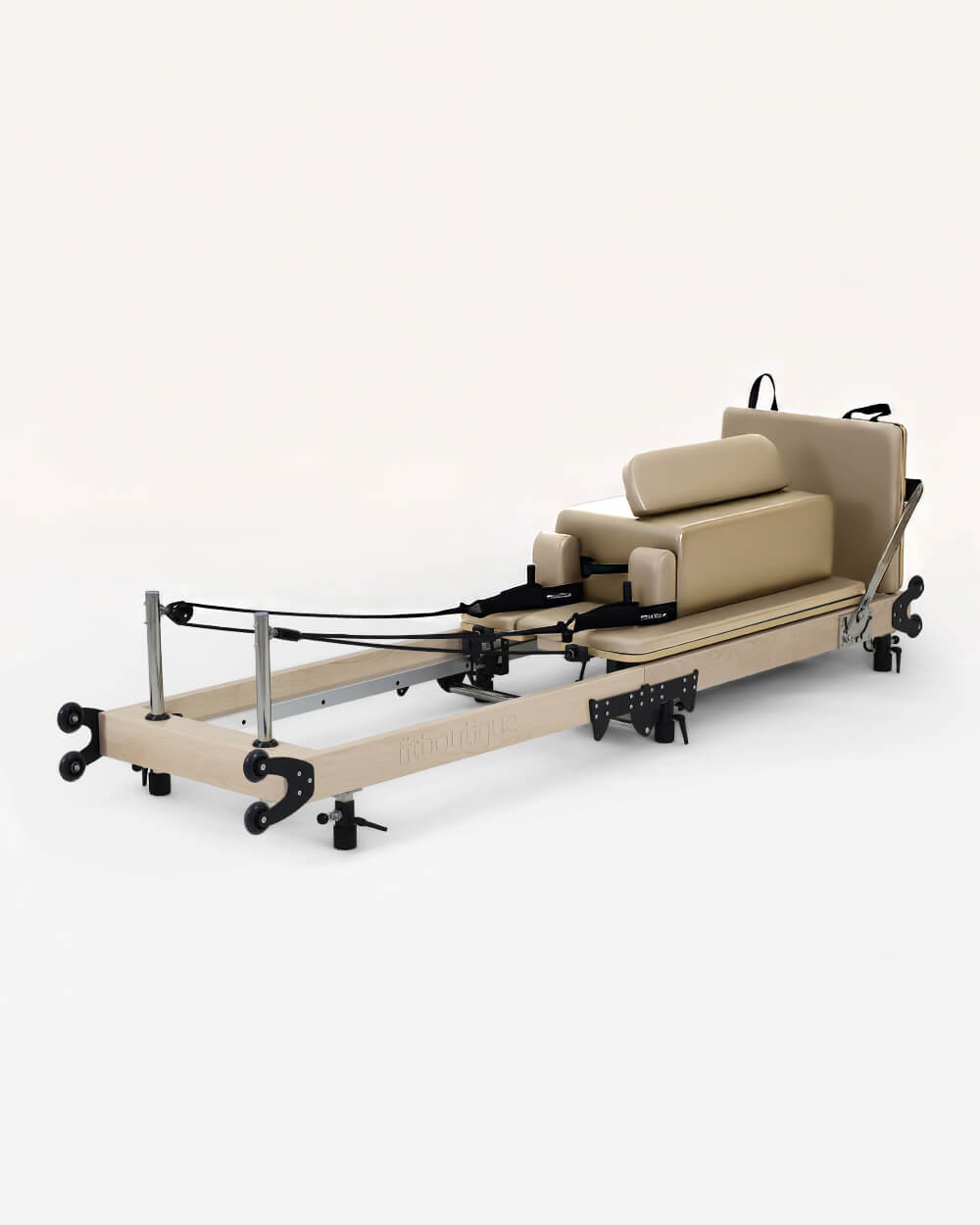
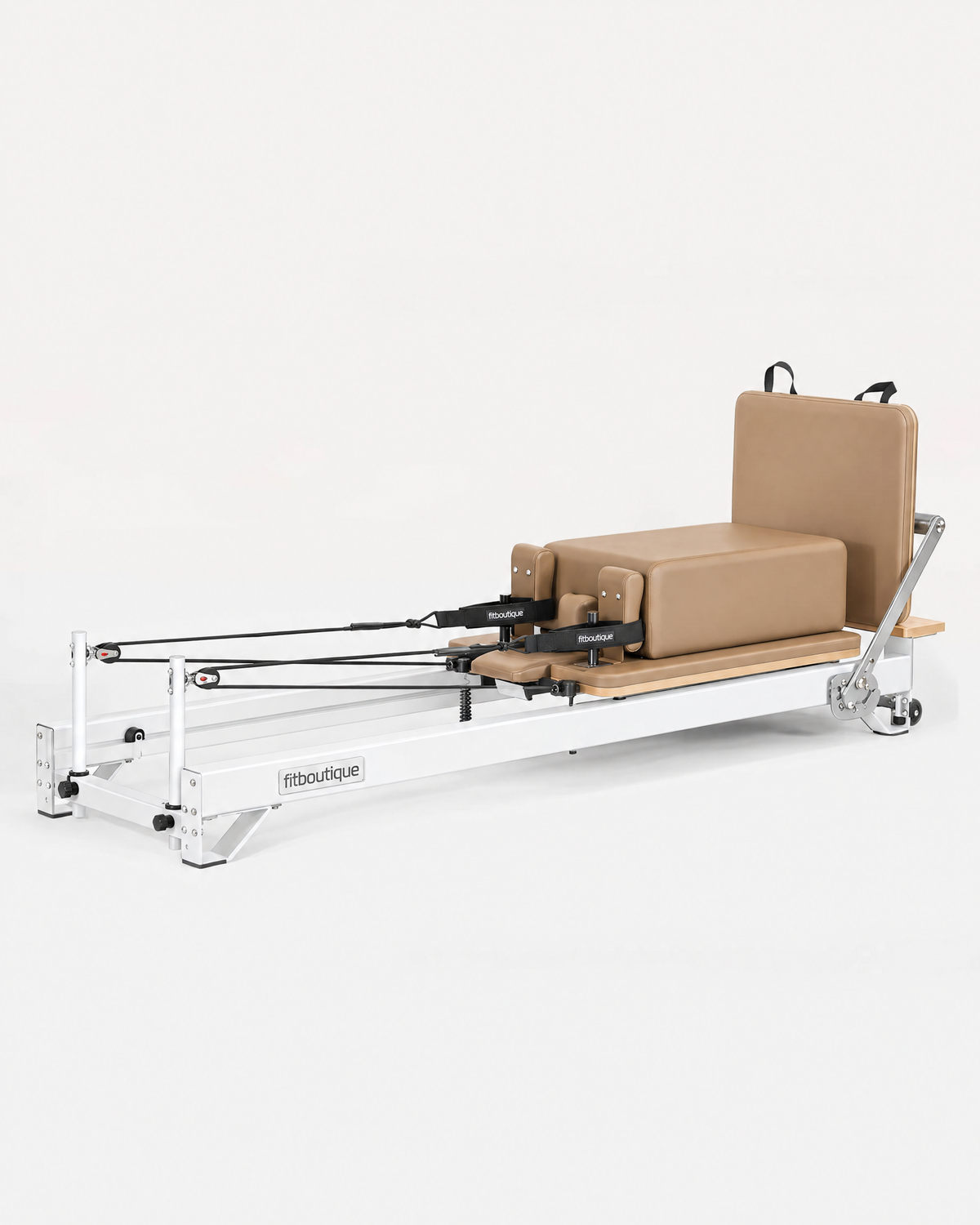
Reformers that stay in service. Every reformer out of action is a seat you cannot sell, in every class, until it is fixed. That makes build quality and access to parts a profit question, not just an equipment one. Our Studio Reformer and Space Black are part of our commercial reformer range, with spare parts held in Melbourne and direct quotes on multi reformer orders.
What makes a studio unprofitable
A lease sized for the dream, not year 1. Rent is the cost you cannot reduce once you have signed. A space that fits 14 reformers when you can realistically fill 8 means paying for 6 empty seats in every class for years.
Assuming a high fill rate from day 1. Studios build up. Plan your first year on a fill rate you would be disappointed with, and make sure the business survives it.
Counting the casual price as the average. As above, your real average visit will be lower once packs and memberships are used. Plan on it.
Too many classes at the wrong times. A packed timetable looks impressive and costs a fortune. Most studios earn most of their money in a relatively small number of peak classes.
Not paying yourself in the numbers. If the plan only works when your own time is free, you will find out the hard way when you need a week off.
Location matters enormously too, mostly through rent and how many people can get to you at peak times. Our guide to choosing the right location for your Pilates studio covers it.
A Note From Ayrah
If I were opening a studio, the 1 number I would calculate before signing a lease is the break even fill rate. Total monthly costs, including paying someone for every class, divided by what the studio would earn if every reformer in every class were full.
My personal rule is that it needs to be under 50%. If the studio only covers its costs when more than half of every class is booked, there is no room for a slow winter, a sick instructor or a new studio opening around the corner.
My own worked example above comes out at about 52%, which by my rule fails. I left it that way on purpose. The fix would be a smaller lease, fewer quiet classes, or a slightly higher average price, and it is far easier to make that change on paper than after the fit out.
Frequently Asked Questions
Is a Pilates studio profitable?
It can be. A reformer studio is profitable when it fills enough reformers at a high enough average price to cover rent, instructors and running costs. Because most costs are fixed, the fill rate of your classes decides more of your profit than anything else.
What is a good profit margin for a Pilates studio?
Ranges of 15% to 30% are widely quoted online, but I could not find a primary source behind them. In my worked example, the same studio swings from a small loss at 50% full to around 26% margin at 70% full and around 39% at 85% full, which shows how much depends on fill rate.
How much do Pilates studio owners make?
It varies too much for a single honest figure. What matters is separating your wage for teaching from the profit of the business. Cost every class as if you paid an instructor, and treat what is left as profit. Many owners earn mainly through their own teaching in the first years.
How long does it take for a Pilates studio to become profitable?
It depends on how quickly you build members and how large your fixed costs are. Plan your first year around a lower fill rate than you hope for, and make sure the studio can cover its costs at that level.
How many members does a Pilates studio need to break even?
Work it out from your own costs. Divide your total monthly costs by your average revenue per visit to get the visits you need each month, then divide by how often a typical member comes. In my example, about 52% of all reformer spots need to be filled to break even.
How many reformers do you need to open a Pilates studio?
Most reformer studios run somewhere around 8 to 12 machines. More reformers raise your ceiling, but only if you can fill them. Starting with fewer, in a space that allows you to add more, keeps your fixed costs lower in year 1.
Is the Pilates industry growing in Australia?
Participation is strong, according to IBISWorld, but industry revenue for Pilates and yoga studios has declined at an annualised 3.9% over the 5 years to the 2025 to 2026 financial year, while the number of studios has grown. More studios are competing for the same clients, which keeps prices in check.
Equip Your Studio To Earn
Commercial reformers built for back to back classes, with spare parts held in Melbourne and direct quotes for every studio size.
Get A Studio Quote
Written by Ayrah Yuso
I'm part of the FitBoutique team and have a solid passion (and love) for all things exercise related, including Reformer Pilates


















Leave a comment