


Proven Marketing Strategies for Your Pilates Studio
I do not run a Pilates studio. I fit them out, which means I have spent 5 years watching studios open, and I have developed opinions about which ones fill and which ones do not that are probably more useful than another list of Instagram tips.
The short version is that most studio marketing solves the wrong problem. Owners assume nobody knows they exist. Usually plenty of people know, and they are simply too intimidated to book. That is a different problem and it needs a different answer.
In this article
- Your marketing problem is probably a fear problem
- Local search does more than social ever will
- What actually works on social
- Why most intro offers are built wrong
- Marketing is mostly retention
- Referrals, and how to ask without being awkward
- Reviews and photos
- Letting the equipment do some of the work
- Frequently asked questions
Your marketing problem is probably a fear problem
Ask someone why they have not tried reformer Pilates and they will say it is expensive or they are too busy. Ask them a second time and the real answer comes out. They do not know what happens when they walk in, they think everyone else will be better than them, and they are worried about looking stupid on a machine they do not understand.
Almost nothing on a typical studio website addresses this. There is a timetable, a pricing page, some beautiful photography of people who are already very good at Pilates, and nothing at all that says what the first 10 minutes are like.
Fix that before you spend a dollar on advertising. Write the page that says what to wear, what time to arrive, that grip socks are required and where to get them, that the instructor will set your springs for you, and that roughly half the people in a beginner class are also in their first month. It is not glamorous and it will convert better than anything else on your site.
Local search does more than social ever will
A Pilates studio is a local business with a catchment of a few kilometres. That makes your Google Business Profile the single most valuable marketing asset you own, well ahead of your Instagram.
Fill it out completely. Real photos of the actual room rather than stock images, correct opening hours including public holidays, the class types listed as services, and a post every few weeks so the profile looks alive. Reply to every review, including the ones you would rather ignore.
On your website, have a page for each suburb you realistically draw from and make it a real page, not a template with the suburb name swapped in. Mention the streets people park on, the tram or train line, the fact you are next to the good coffee place. That reads as a business that is actually there, which is exactly what a search engine and a nervous first timer are both trying to work out.
Then answer the questions people search before they book. How often should I go, what should I wear, is it hard, what is the difference between mat and reformer. Every one of those searches is someone deciding, and being the studio that answered them is worth more than a hundred followers.
What actually works on social
Studio social media fails in a specific way. It becomes a wall of beautiful, silent, aspirational content that says nothing about what your studio is like.
The posts that work have a person talking in them. Your instructors, faces visible, explaining one thing. How to set your springs. Why lighter is harder. What footwork should feel like. The single most common mistake in a teaser. That content is easy to make, it never runs out, and it does the same job the reassurance page does, which is making a stranger feel like they already know somebody there.
Also worth posting: the boring logistics. Where to park. What the change rooms are like. A walk through the door and into the room, filmed on a phone. People watch these far more than owners expect, because they are the exact thing a nervous person wants to see.
What I would stop doing is chasing trending audio with no face in the clip, and posting transformation content that quietly promises a body rather than a practice. The second one attracts people who leave in 6 weeks.
Why most intro offers are built wrong
Nearly every studio runs an intro offer, and most of them are structured to lose money on the people who were going to join anyway while doing nothing for the people who need convincing.
The common version is a heavily discounted first class. The trouble is that one class is not enough for anyone to decide. Reformer Pilates is confusing the first time, mildly humbling the second time and enjoyable by about the third, so a single session frequently converts worse than nothing.
What works better is a short block at a fair price, 3 or 4 classes across 2 weeks, with the same instructor if you can manage it. You are not trying to be the cheapest first class in the suburb. You are trying to get someone to the point where the machine has stopped being strange, and that takes 3 sessions rather than 1.
Then have a plan for what happens on the last class of that block. The conversation at the end of the trial is the entire point of the trial, and it is astonishing how many studios leave it to chance.
Marketing is mostly retention
An empty spot in a class you are already running costs you the same as an empty studio. So the cheapest growth available to most studios is not new clients, it is the people who came 8 times and then stopped.
Know who they are. Any decent booking system will tell you who has not been in for 3 weeks, and that list is the highest value marketing asset in the business. A short, human message from an actual instructor beats an automated campaign every time, because the person receiving it feels noticed rather than processed.
The other half of retention is progression. People drift when sessions stop feeling like they are going anywhere, which tends to hit around month 3 once the early rapid improvement slows. Give them something to aim at that is not a body goal. A specific exercise, a spring setting, a class level they are working towards. I wrote about that pattern in more detail in my piece on how to stay motivated with Pilates, and it applies to studio clients exactly as much as home ones.
Referrals, and how to ask without being awkward
Bring a friend works, and it works better than most paid advertising, because the friend arrives with all their nervousness already handled by someone they trust.
2 things make the difference. Give it a fixed date rather than a standing offer, because a permanent invitation gets ignored and a specific Saturday does not. And make the class one a complete beginner can enjoy, which is not the same as an easy class. Give them something that feels good to have done.
Reward the member, not just the friend. A free class or a month of something small is cheap against the value of a client who stays a year.
Reviews and photos
Ask for reviews in person, immediately after a class someone clearly enjoyed, and make it easy with a QR code at the desk. Asking by email a week later is why most studios have 11 reviews.
On photography, one proper shoot is worth more than a year of phone content for the things that need to look professional, which is your website header, your Google profile and your intro offer graphics. Get the room empty and full, get instructors cueing rather than posing, and get close detail of the machines. Everything else can stay on a phone, and honestly should.
One thing people forget to photograph: the entrance, from the street, as it looks when you arrive. First timers use that image to check they are at the right place.
Letting the equipment do some of the work
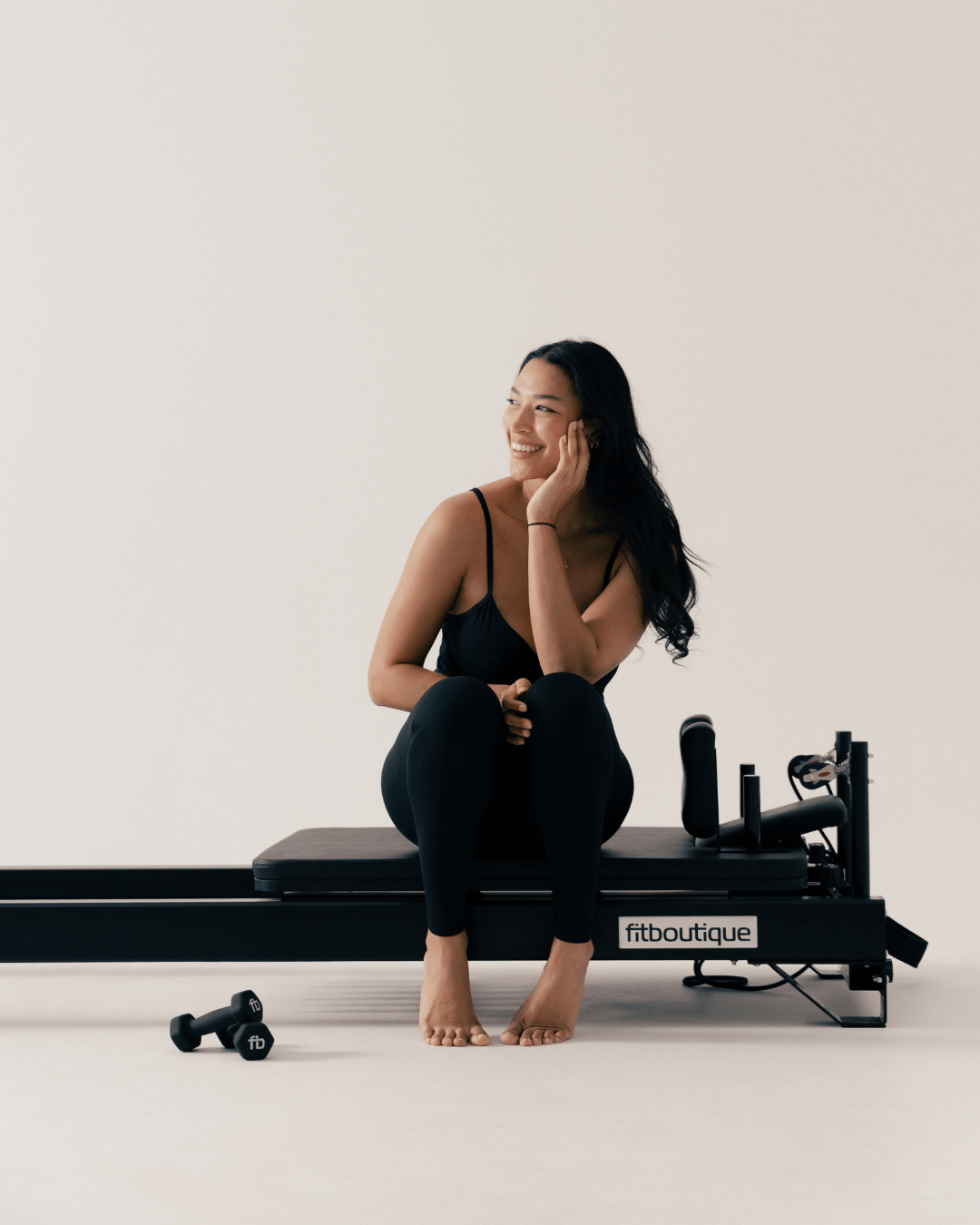
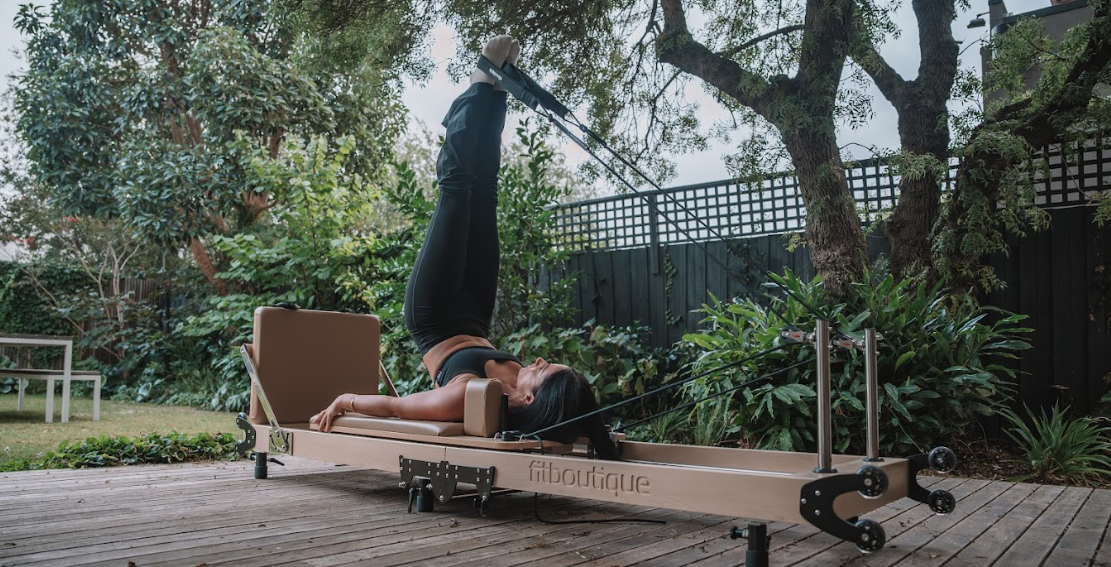
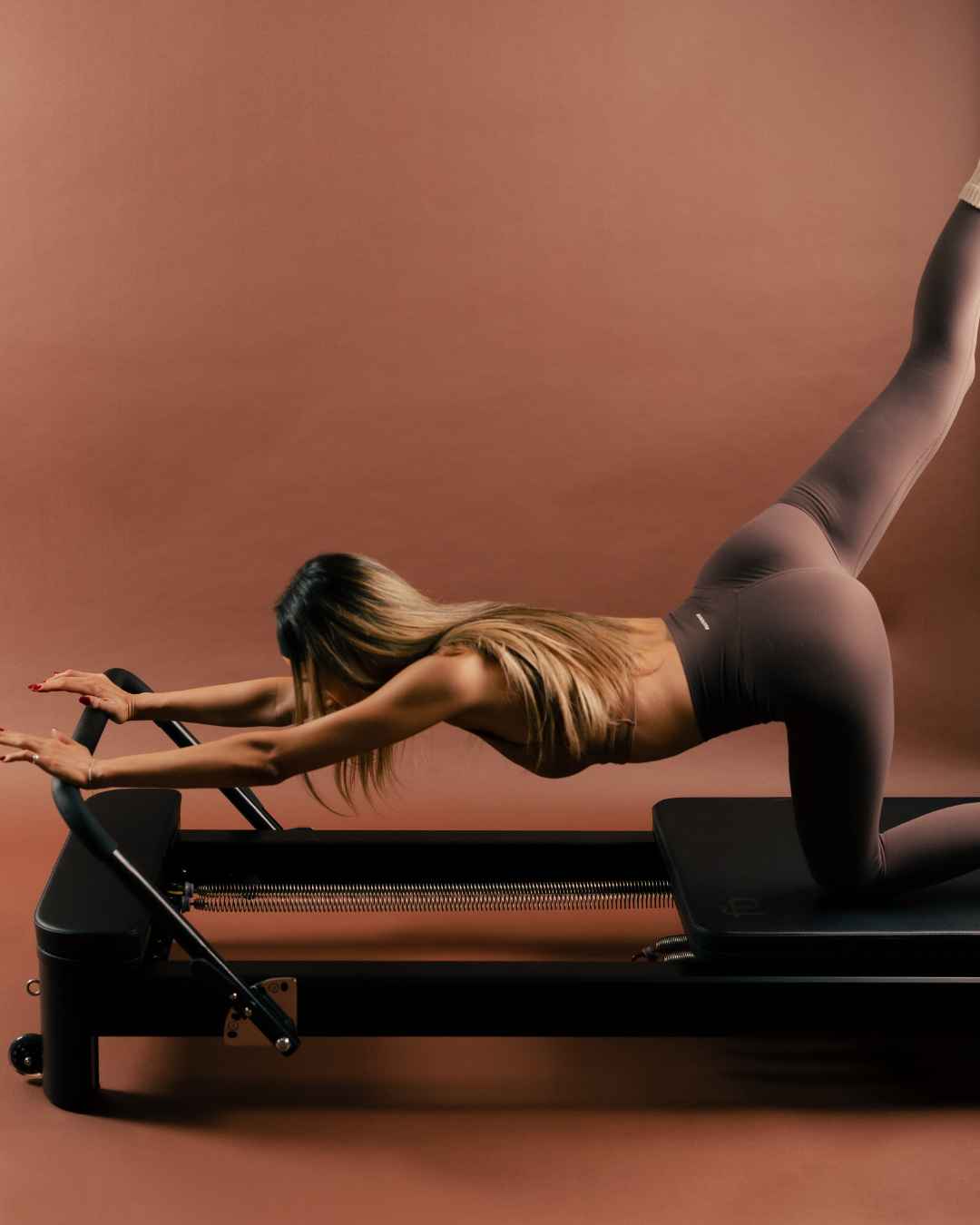
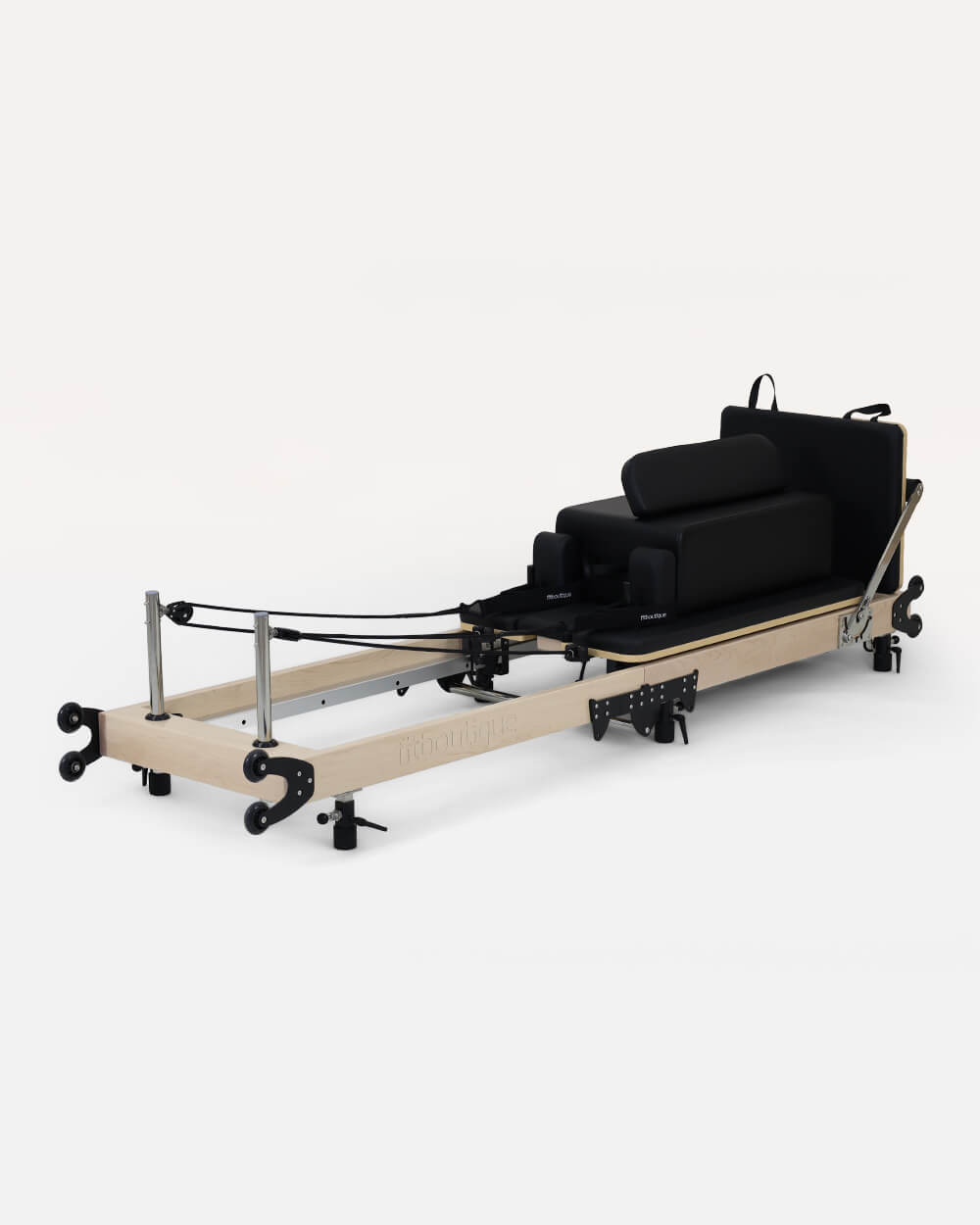
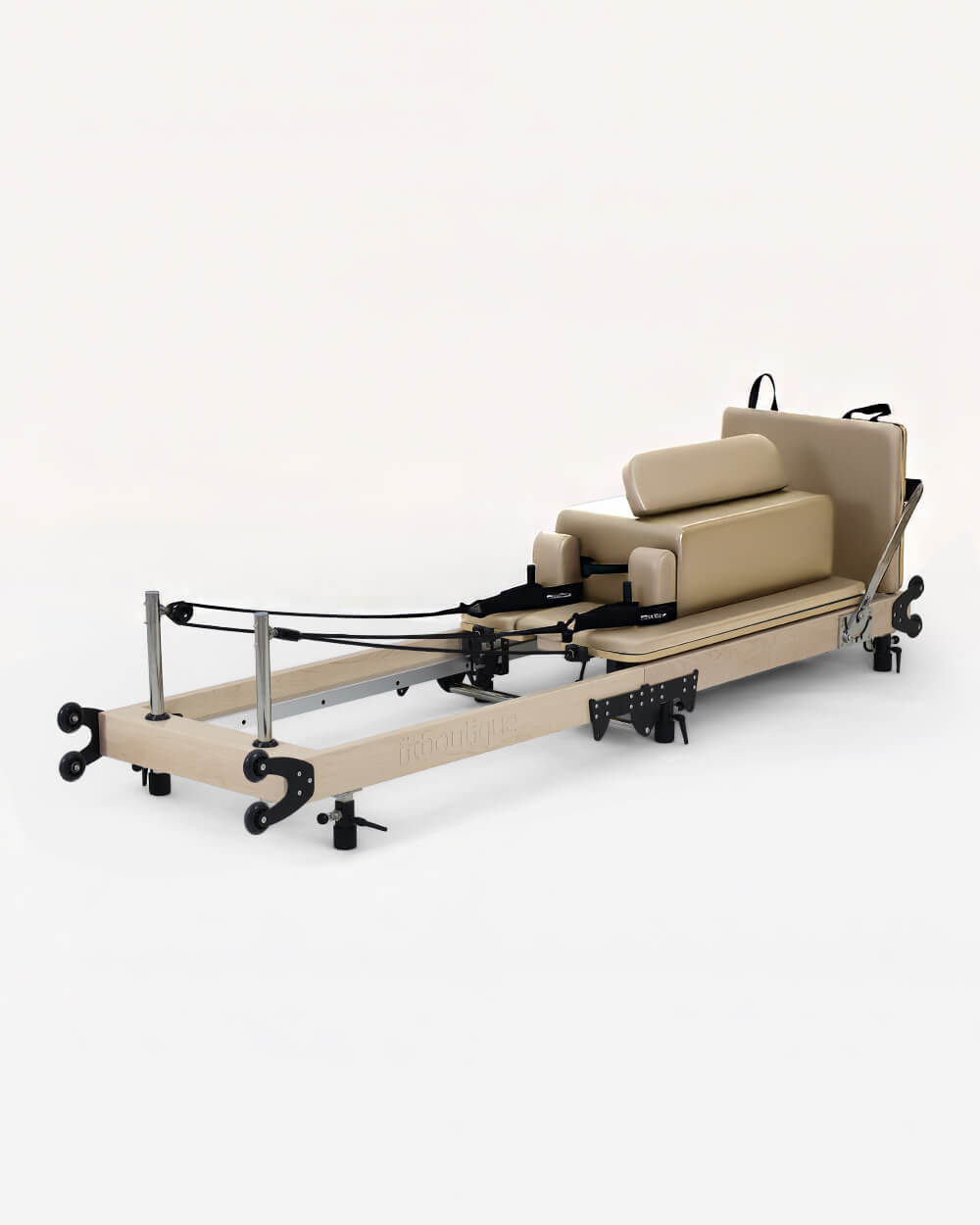
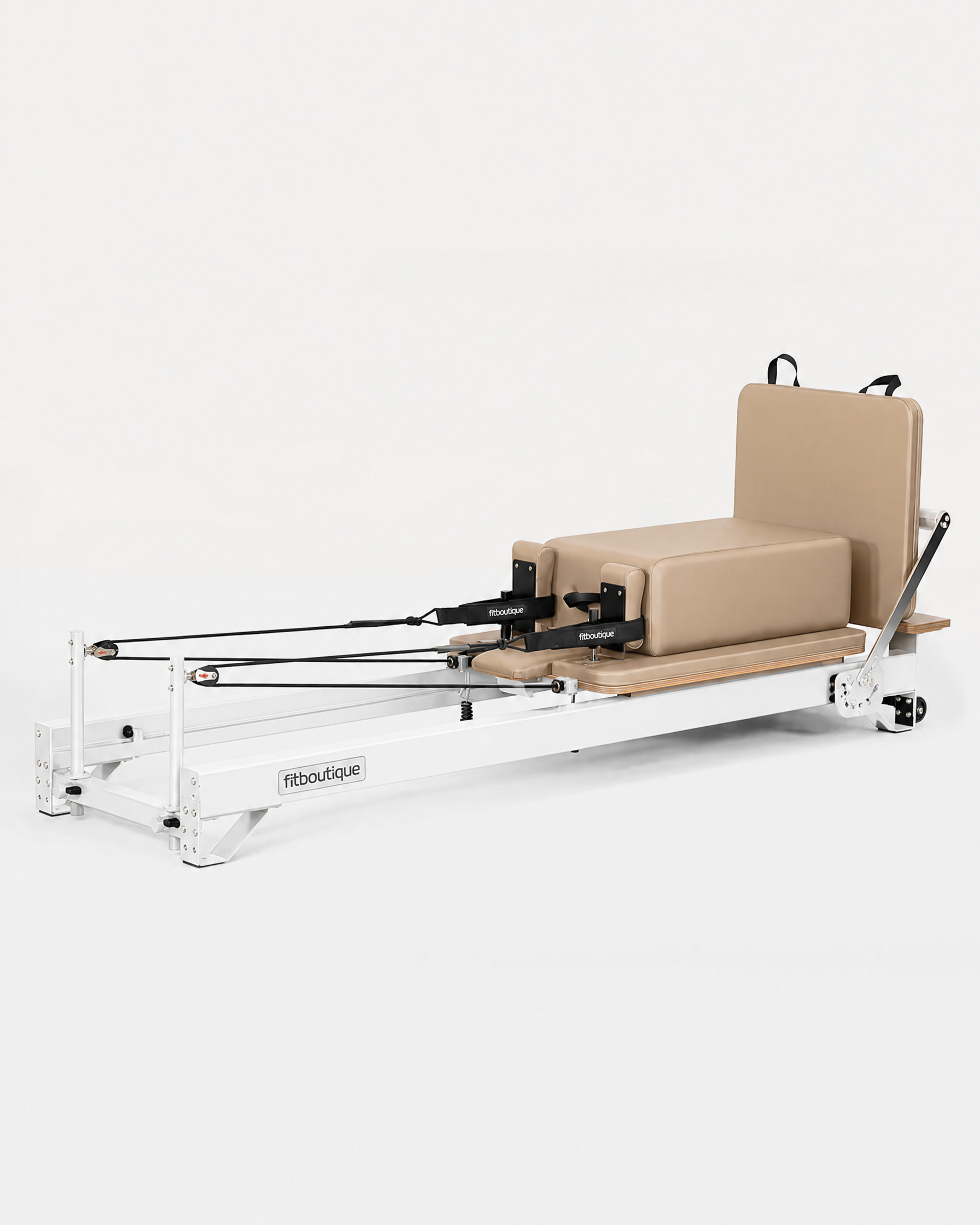
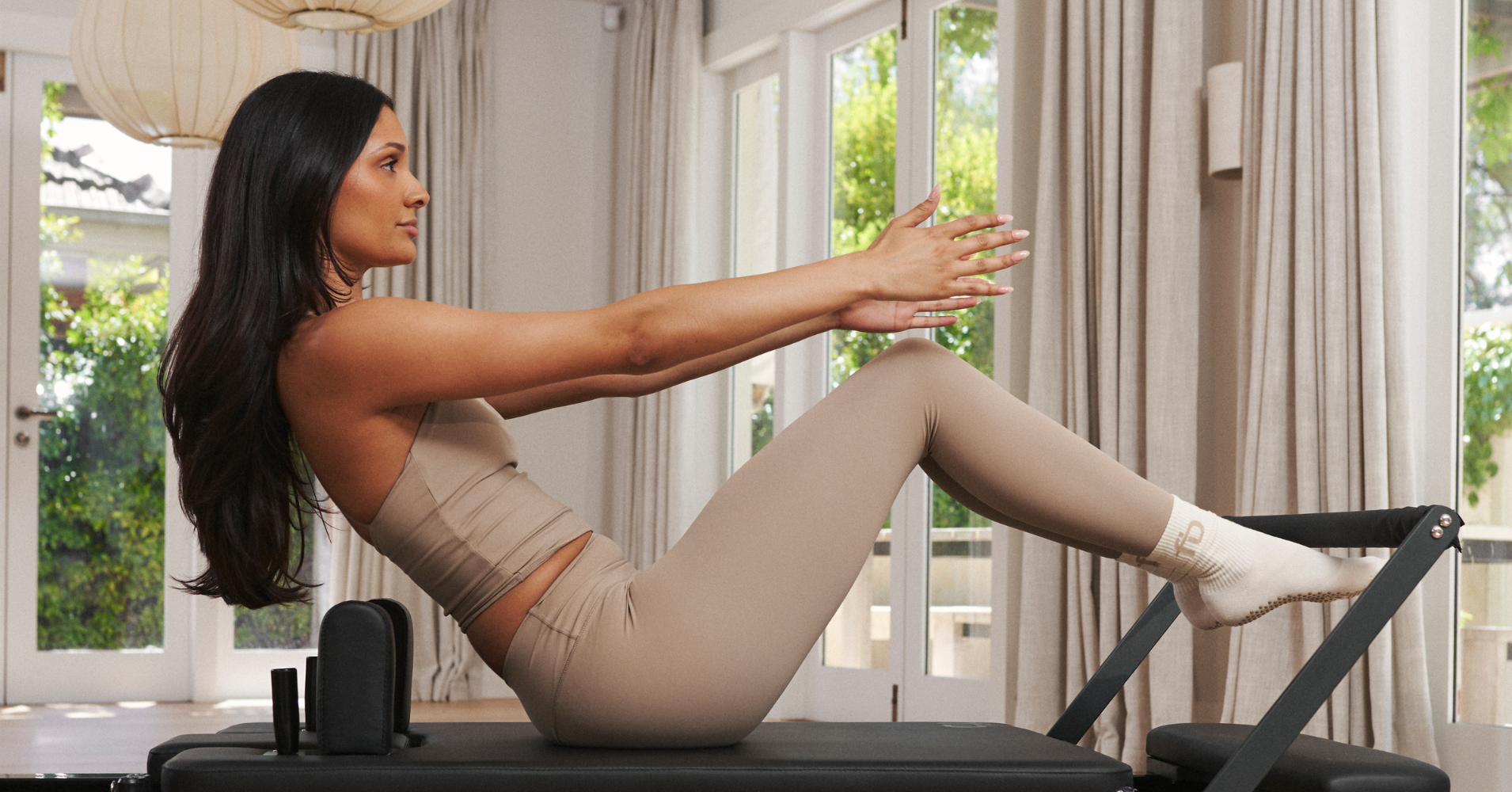
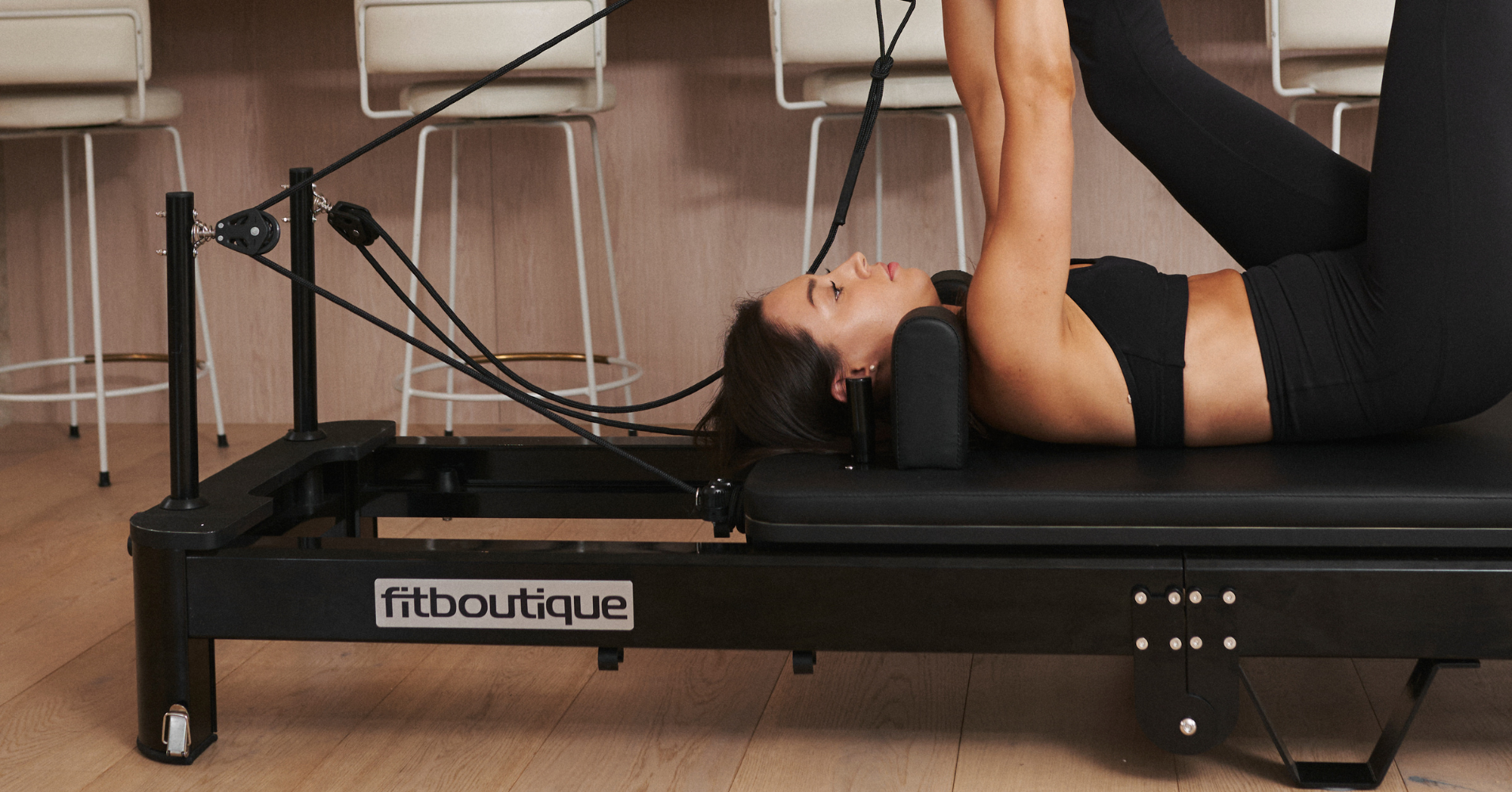
Your machines are the most photographed object in the business, so they may as well suit the brand you are building.
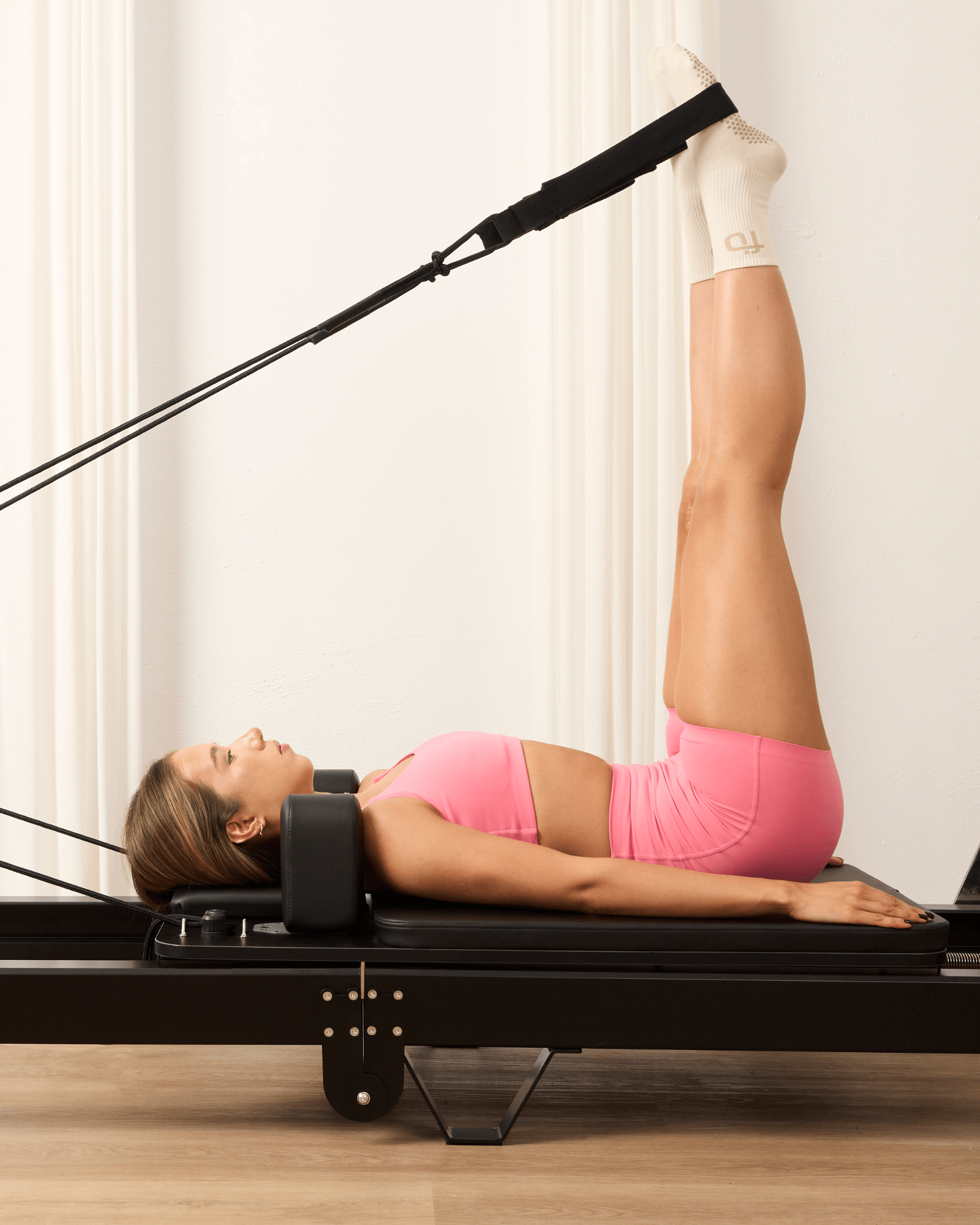
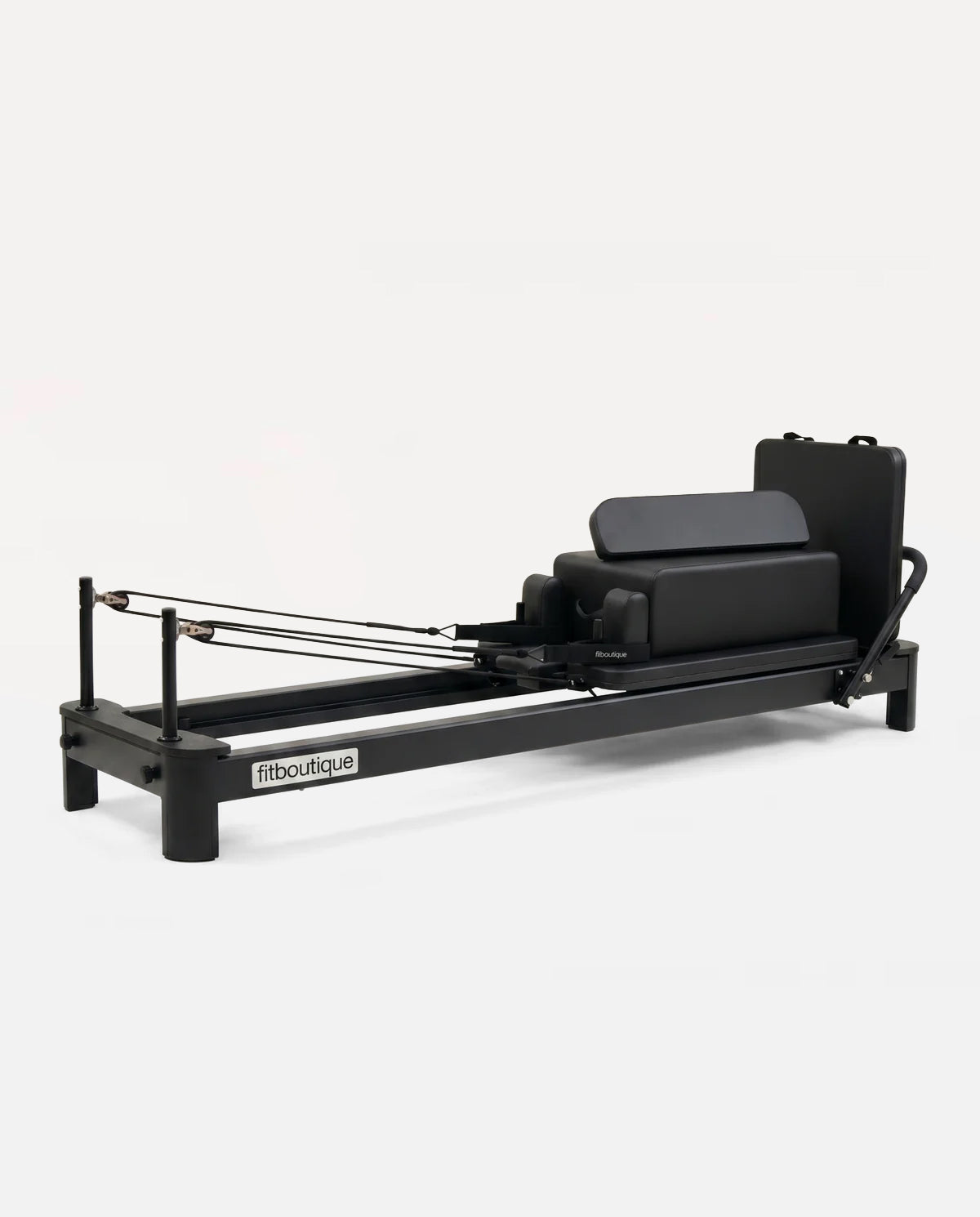
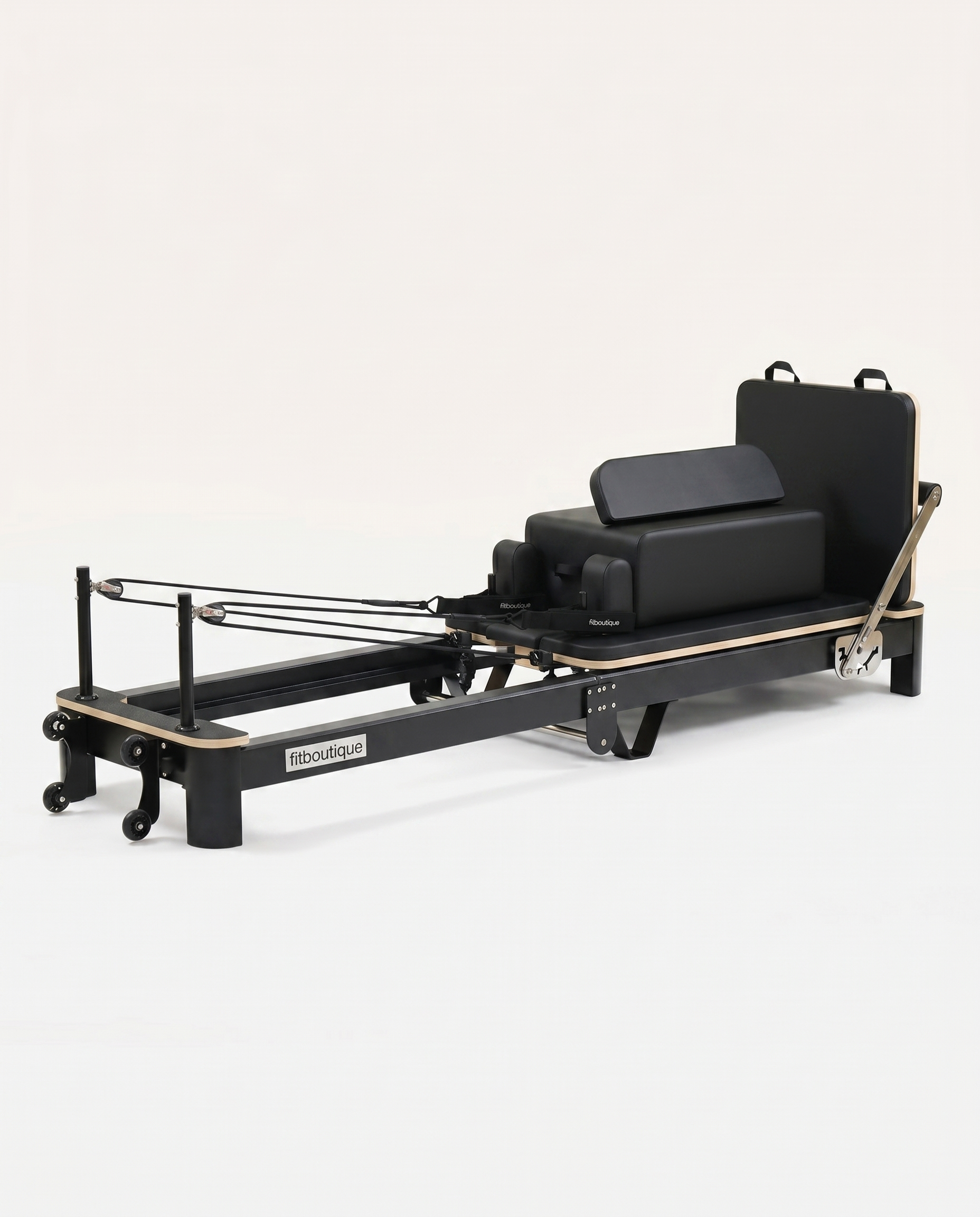
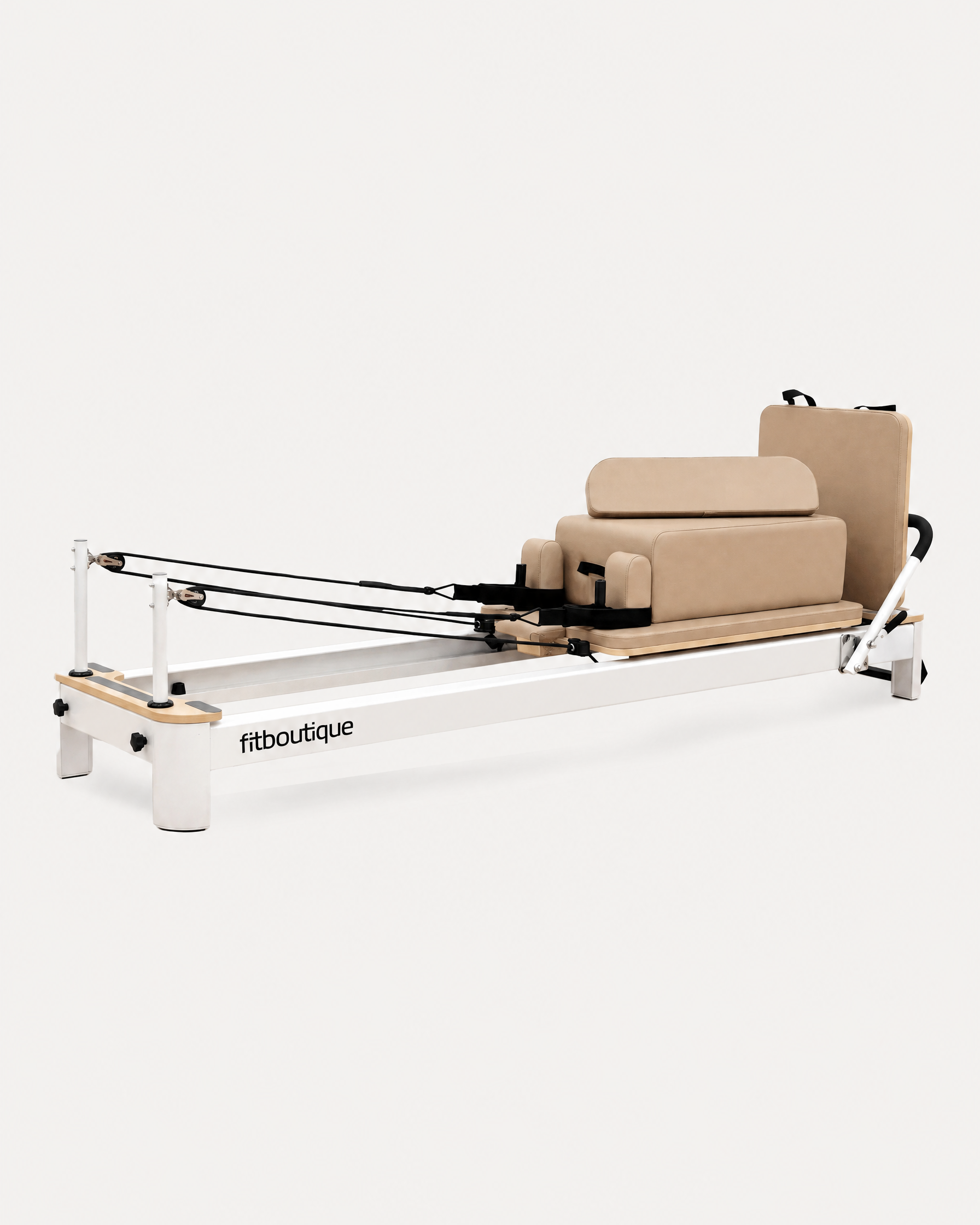
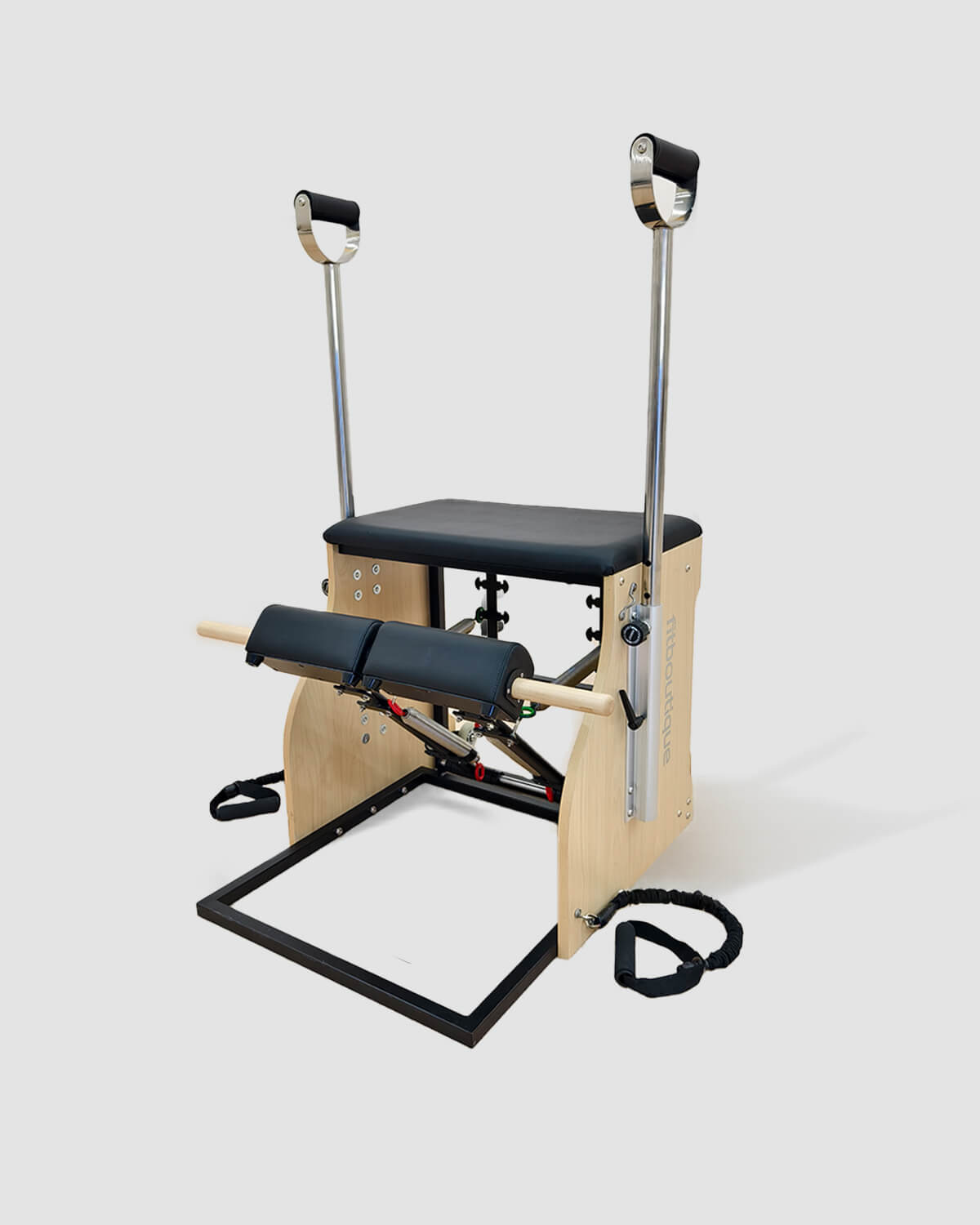
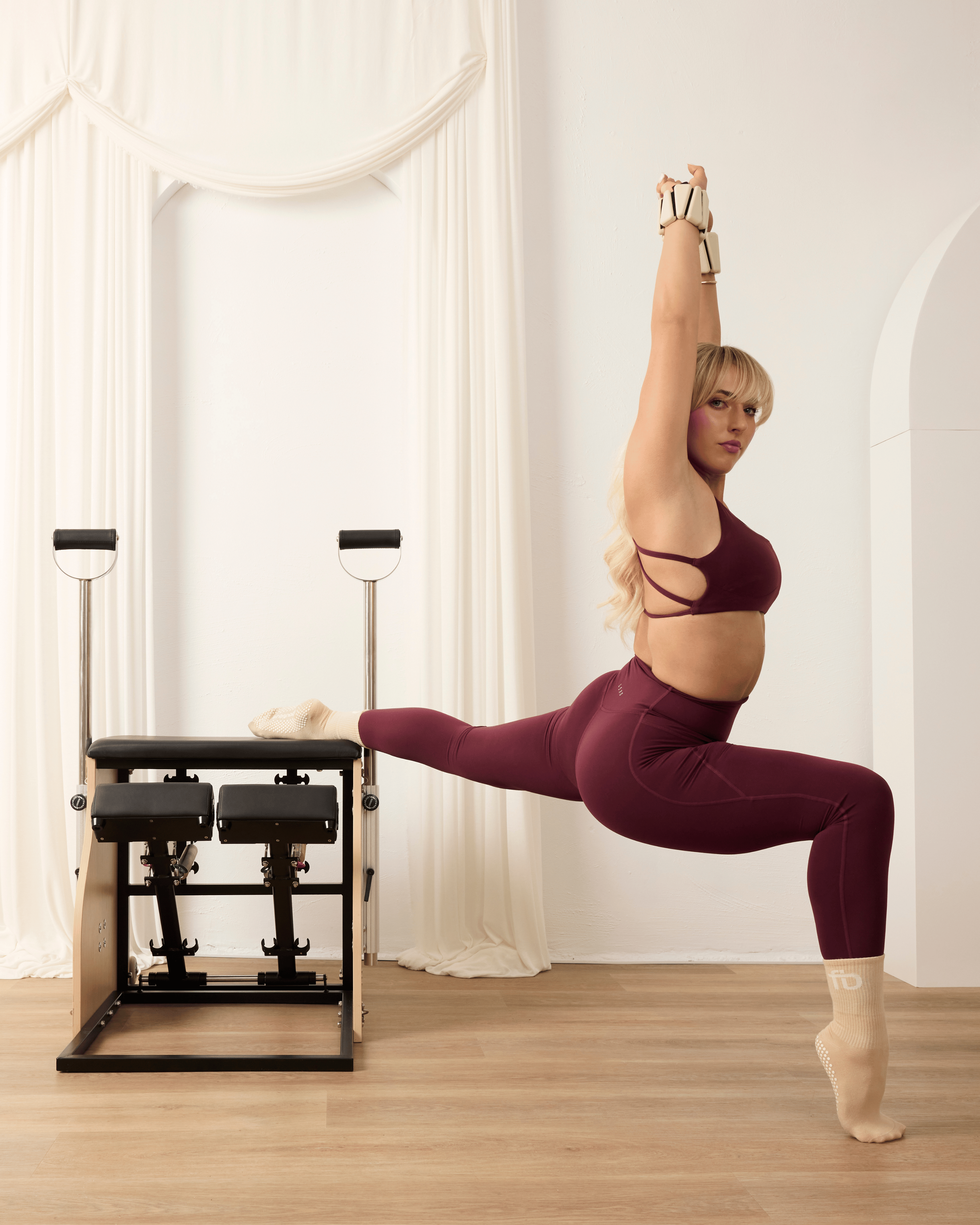
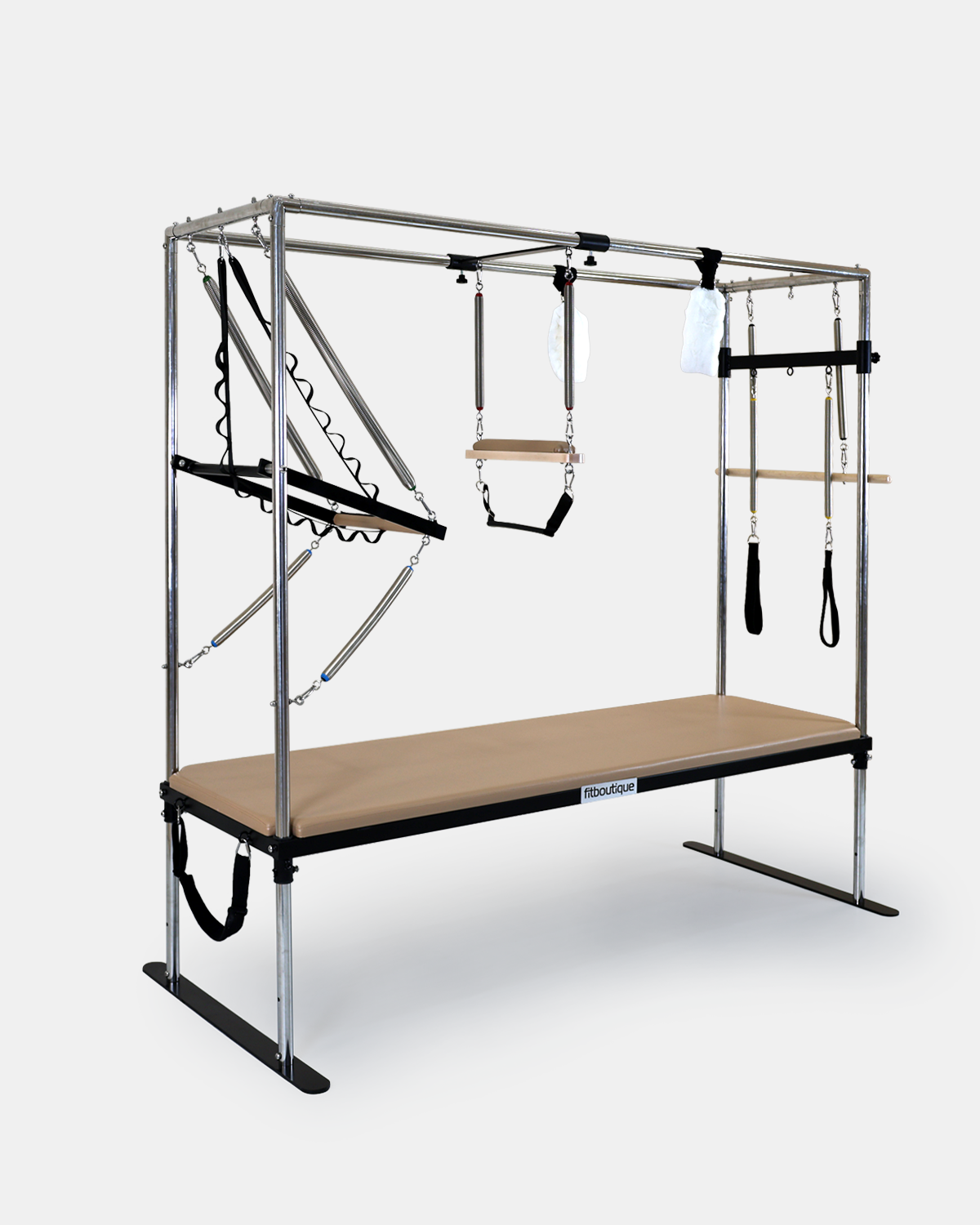
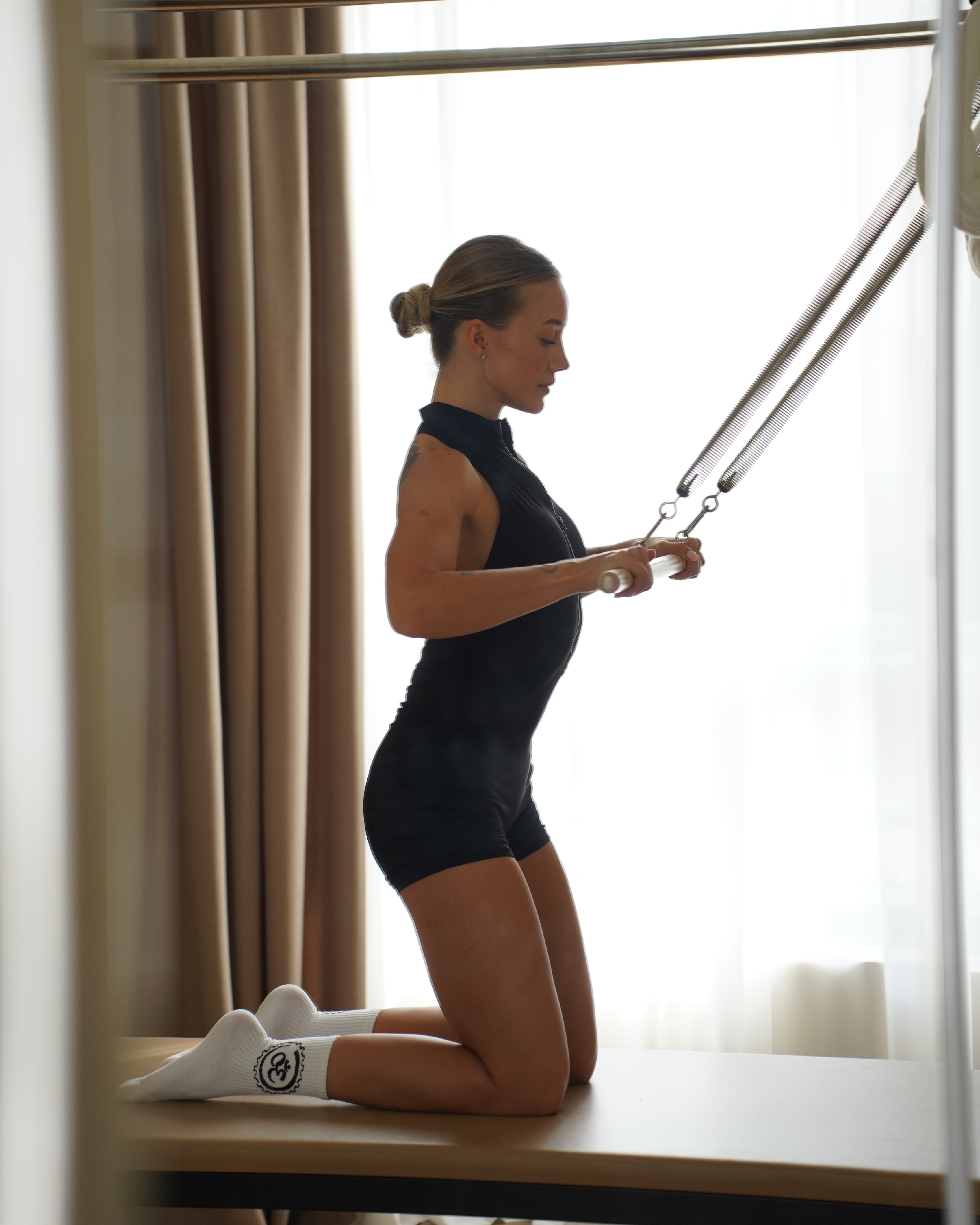
The Studio Reformer is the standard fit out choice for back to back class schedules. The Space Black Reformer photographs beautifully in a darker, moodier room, and the timber Maple Crest Reformer suits a warmer, more natural space. If you are adding equipment that gives you a different class type rather than more of the same, the Cadillac Reformer, the Pilates Chair and the Mega XL Reformer all open up something new to sell.
For glute focused blocks, which sell reliably, the Hip Thrust Machine and a set of Power Bands add a class format most reformer studios do not offer. The full commercial range is the place to start if you are fitting out or expanding.
If the room itself is still being planned, I have written separately about studio interior design, and about how much space each machine actually needs.
A Note From Ayrah
I can usually tell on delivery day whether a new studio is going to make it, and it has nothing to do with the equipment they chose.
The ones that work have already got a booking system running, a timetable published, a first block of classes scheduled and a list of people waiting to be told the doors are open. The machines arrive into a business that is already operating. Sometimes they are teaching within 48 hours.
The ones that struggle are still deciding things. What the classes will be called, whether to do 45 or 50 minutes, which booking software to use. The machines go in and then sit in a beautiful empty room for 6 weeks while the marketing gets figured out, and every one of those weeks is rent.
I am not saying planning the brand does not matter. I am saying it is much easier to fix a class name once people are coming than it is to find people once you have already spent the money. If you are somewhere between deposit and delivery right now, the most valuable thing you can do this week is not another mood board. It is opening bookings.
Frequently Asked Questions
What is the most effective marketing for a Pilates studio?
Local search, ahead of everything else. A complete Google Business Profile with real photos, current hours and answered reviews, backed by a website that tells a nervous beginner exactly what happens in their first class. A studio draws from a few kilometres, so being easy to find and easy to feel safe about beats reach every time.
How do I get more first time clients through the door?
Reduce the fear rather than the price. Publish what to wear, what time to arrive, that the instructor sets the springs, and that beginners are normal in a beginner class. Then offer a short block of 3 or 4 classes rather than a single discounted session, since almost nobody decides after one class.
Is a discounted first class a good intro offer?
Usually not. Reformer Pilates is confusing the first time and only starts to feel good by about the third session, so one class often converts worse than no offer at all. A short block over 2 weeks with the same instructor gives people enough time to get past the strangeness.
How often should a Pilates studio post on social media?
Less often than most owners think, and with a face in it. A couple of posts a week where an instructor explains one thing will do more than daily aspirational content, because the job of your social is to make a stranger feel like they already know somebody in the room.
What should I do about clients who stop coming?
Find them and message them personally. Your booking system can list everyone who has not attended in 3 weeks, and a short note from the instructor they trained with converts far better than an automated campaign. Filling an existing class is much cheaper than finding a new client.
Do bring a friend classes actually work?
Yes, better than most paid advertising, because the friend arrives with their nervousness already handled by someone they trust. Give it a fixed date rather than making it a standing offer, and reward the existing member as well as the guest.
How do I get more reviews?
Ask in person right after a class someone visibly enjoyed, with a QR code at the desk. Emailing a week later is the reason most studios sit on a handful of reviews. Reply to all of them, including the critical ones, since prospective clients read your replies as closely as the reviews.
How much should I budget for photography?
Enough for one proper shoot covering your website header, your Google profile and your intro offer graphics. That is the content that has to look professional. Day to day social can be filmed on a phone and often performs better that way.
What equipment helps a studio stand out?
Anything that lets you sell a class type your neighbours do not have. A Cadillac Reformer, a Pilates Chair or a Mega XL Reformer create genuinely different sessions, and a Hip Thrust Machine with Power Bands supports glute focused blocks that reliably fill. Adding more of the same reformers grows capacity, not distinctiveness.
Fitting Out Or Expanding A Studio?
Commercial grade reformers and studio equipment with free delivery Australia wide, spare parts held in Melbourne and a 5 year warranty.
See The Commercial RangeWritten by Ayrah Yuso
I'm part of the FitBoutique team and have a solid passion (and love) for all things exercise related, including Reformer Pilates
















Leave a comment