



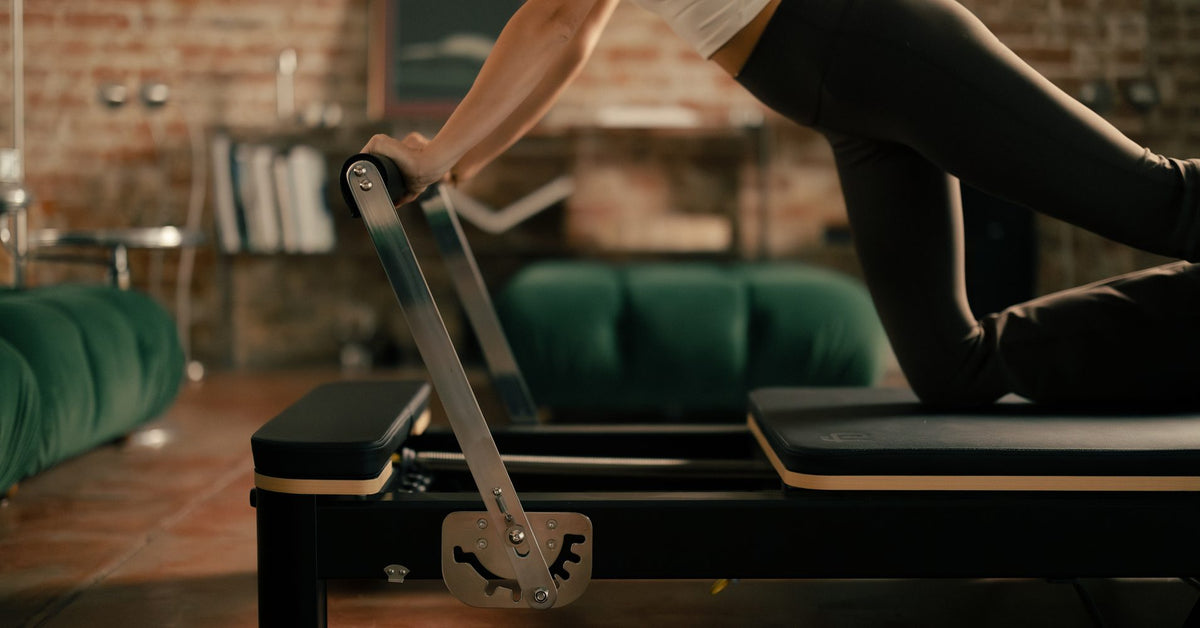
Reformer Pilates Footwork: The Foundation of Every Class
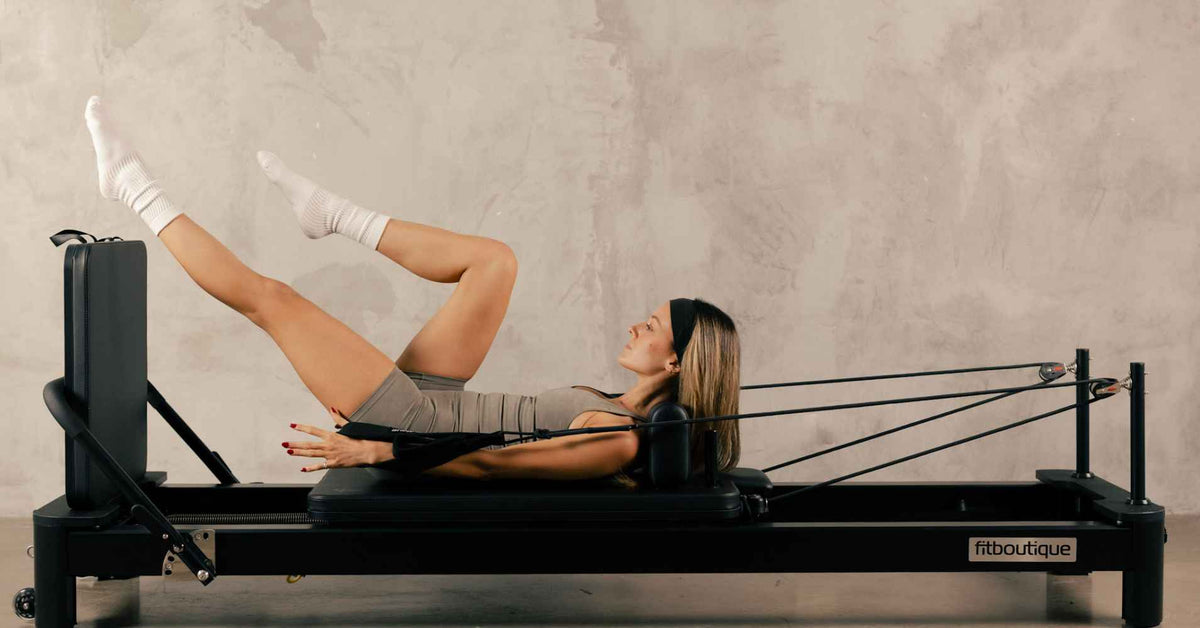
Almost every reformer Pilates class starts with footwork, and for good reason. This deceptively simple series warms up the body, builds leg and core strength, and teaches the control that every other exercise relies on. Understanding your footwork will make your whole practice better.

Why footwork matters
Footwork builds strength through the legs and feet while teaching you to move the carriage with control rather than momentum. It warms up the knees, hips and ankles safely and sets the breathing and core connection you carry through the rest of the session.
The main footwork positions
Toes (ball of the foot)
Builds calf and ankle strength and control.
Arches
Works the feet and challenges balance and alignment.
Heels
Targets the hamstrings and glutes.
Wide and narrow stances
Shift the load to the inner or outer thighs and glutes.

Move slowly through each position, pressing out fully and resisting on the way back in.
Common footwork mistakes

Rushing the reps, letting the knees roll in, and gripping the toes are the usual culprits. Keep the movement slow, track the knees over the toes, and keep your pelvis stable.
Frequently asked questions
How many footwork reps should I do?
Eight to ten controlled reps in each position is a good starting point.
What springs should I use for footwork?
Footwork usually uses a medium-to-heavy spring load, as the legs are strong. Adjust to keep the movement smooth and controlled.
Is footwork a good warm-up?
Yes. It gently warms the lower body and connects the core, making it a perfect start to any session.
Master the foundations
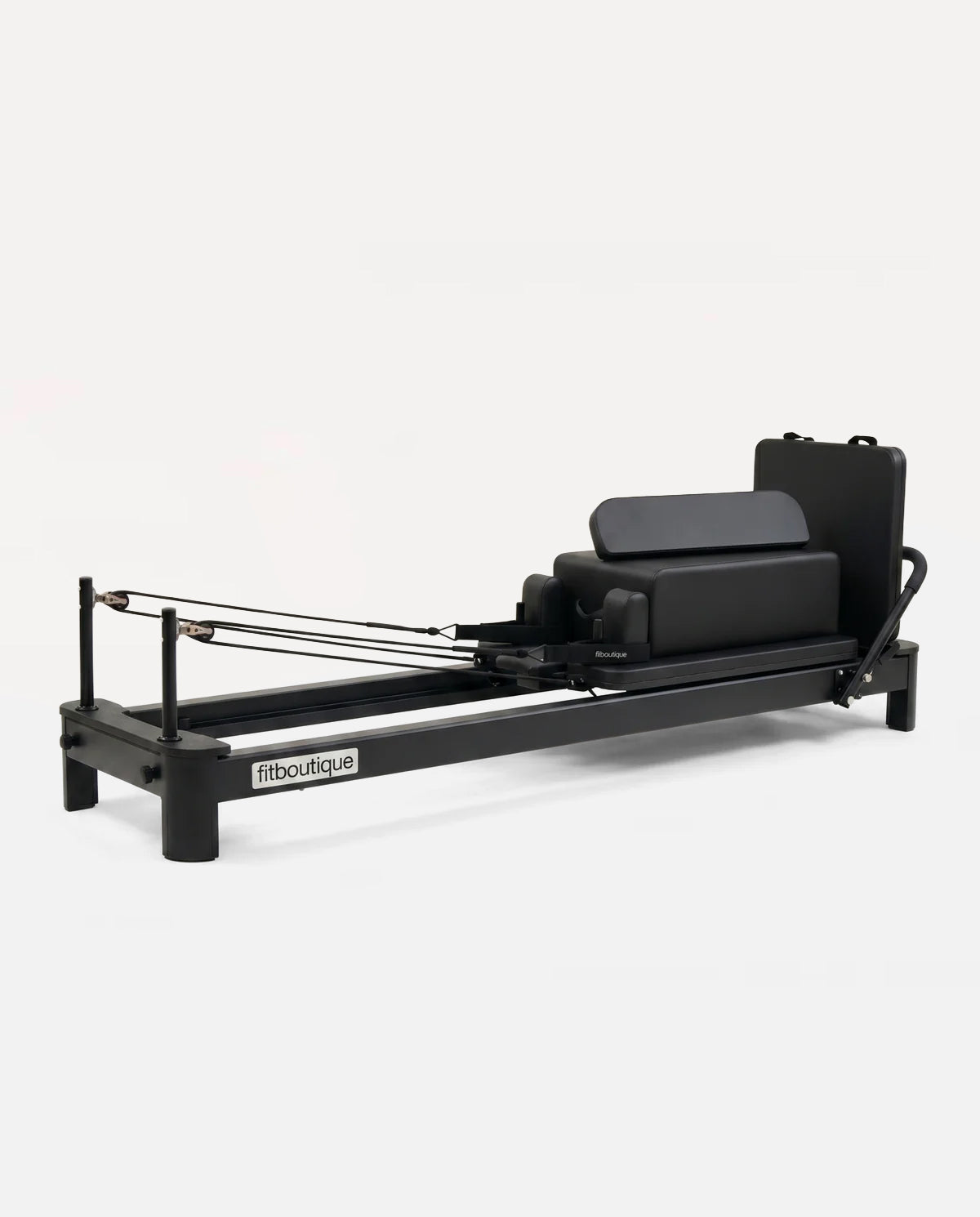
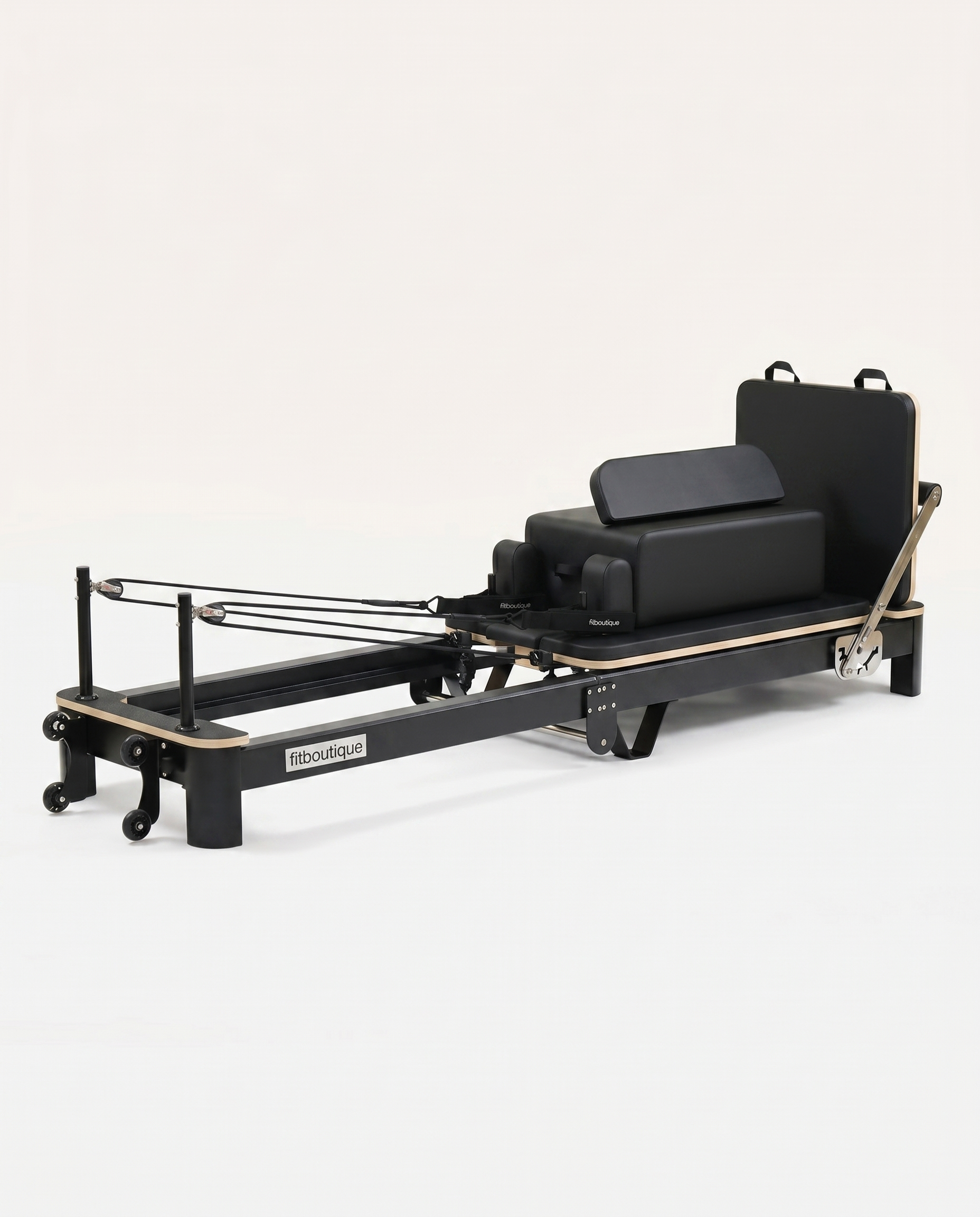
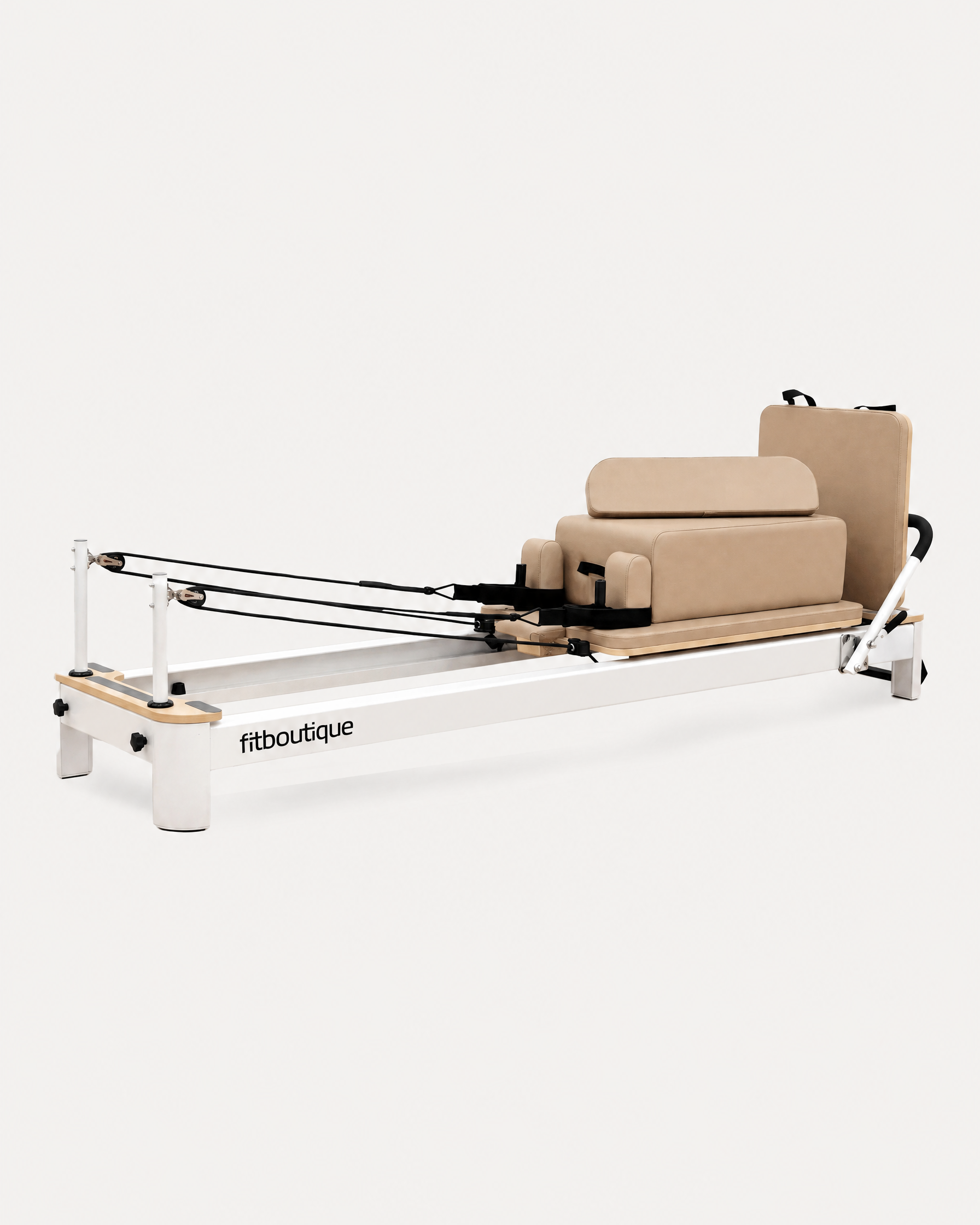
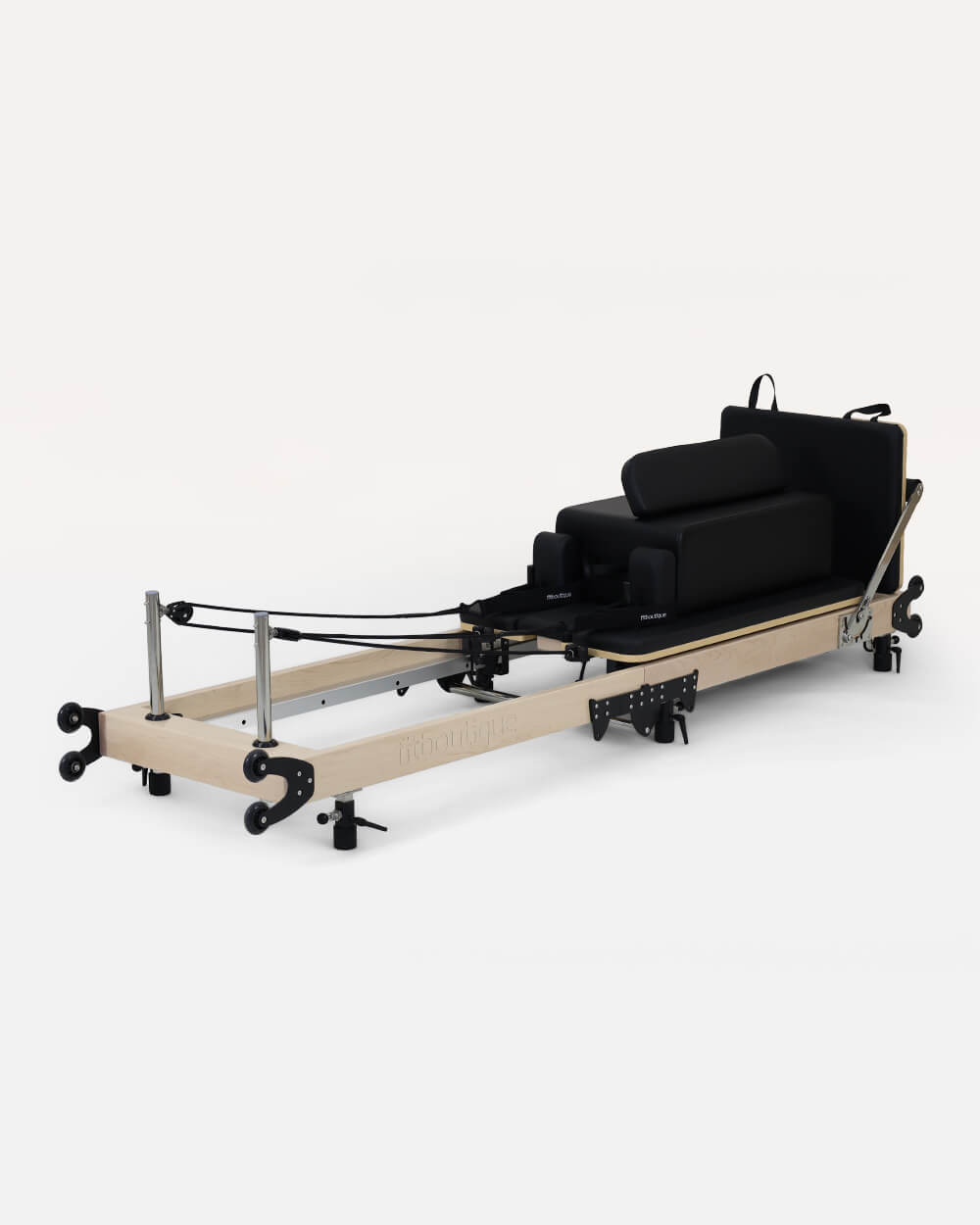
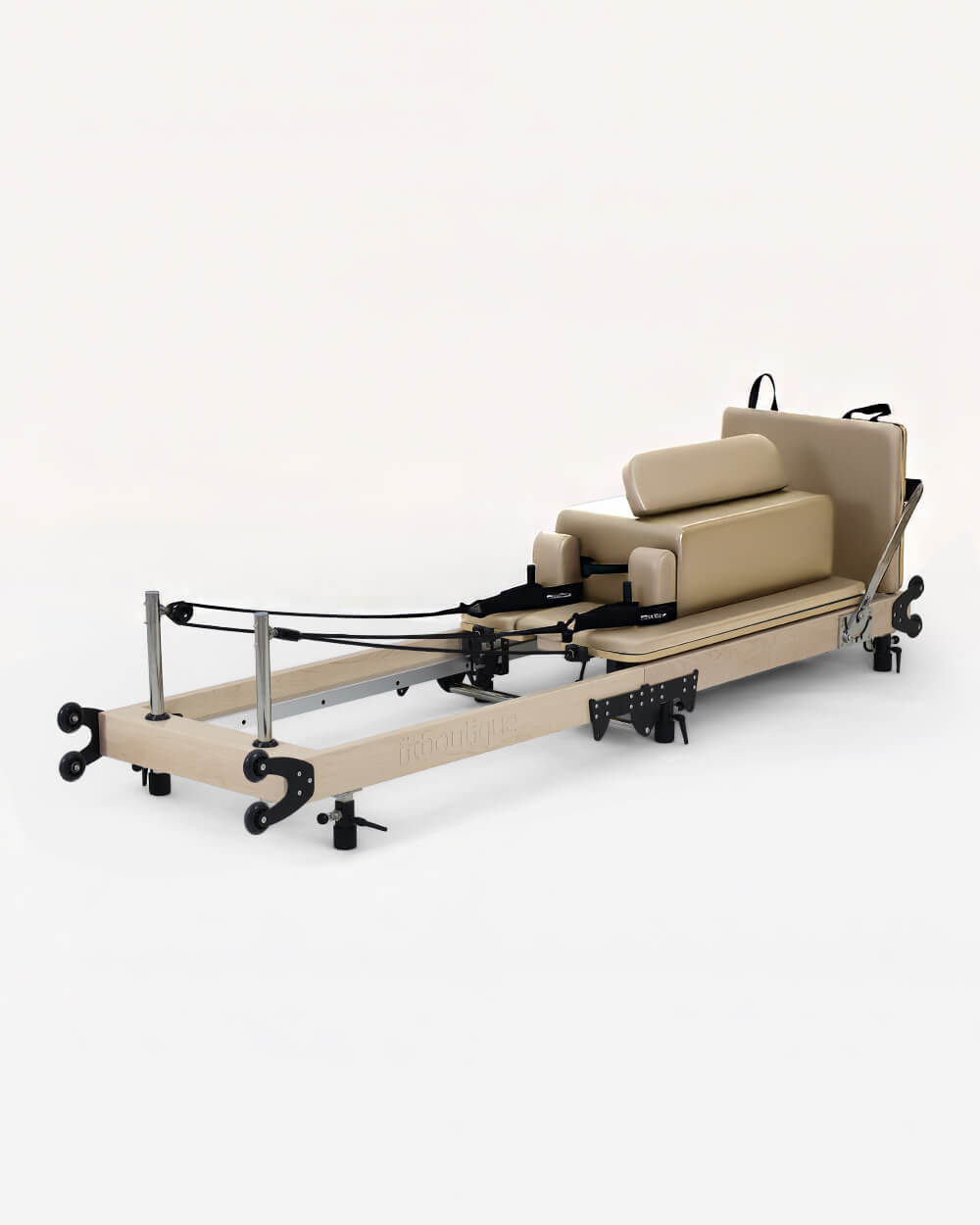
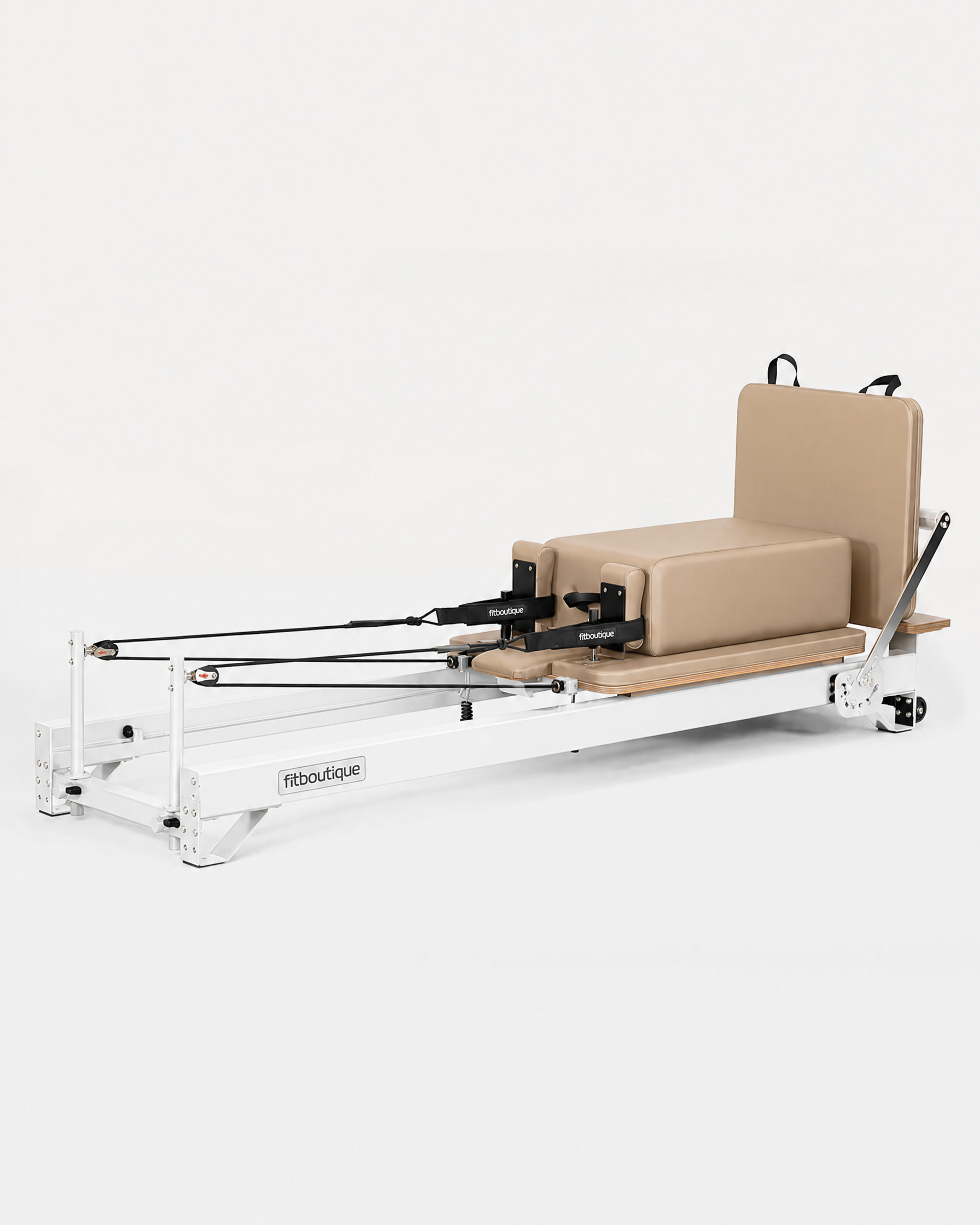
Footwork is the foundation on any FitBoutique reformer. Explore the reformer Pilates machine range with free Australia-wide delivery.

Written by Ayrah Yuso
I'm part of the FitBoutique team and have a solid passion (and love) for all things exercise related, including Reformer Pilates
















Leave a comment