




Reformer Pilates Before And After
The question I get asked most in the first month is some version of "is this working?". Usually from someone who has done 6 or 8 sessions, feels something has shifted, and cannot see it in the mirror yet. They are looking in the wrong place, and I say that with affection because I did exactly the same thing.
Reformer Pilates changes you in a particular order. The first things to change are not visible. The visible things come later and arrive quietly. If you know the order, you stop doubting yourself in week 3, which is the week most people quit.

In this article
The order things change in
Feeling comes first. Then control. Then posture. Then shape. Then strength you can measure. Roughly in that sequence, and every stage is real progress even though only the last 2 are the kind you can photograph.
This matters because people judge the early weeks by the late stage criteria. They are checking for a flatter stomach in week 2 when what has actually changed is that they can feel their lower abdominals for the first time in years. That is not nothing. That is the foundation everything else is built on.
What follows is the timeline I have watched play out in myself and in the people I have trained with, assuming 2 to 4 sessions a week. Train once a week and everything below stretches out considerably. If you want the blunt version of how long the whole process takes, I wrote that separately in how long it takes to see results from reformer Pilates. This piece is about what to look for along the way.
Your first few sessions
You will feel taller walking out. That is the first thing, and it happens after a single session. It fades within a few hours to begin with, but it is the earliest sign that something is switching on.
You will also be sore in places you did not know were places. The inner thighs after footwork. The muscles between your shoulder blades after strap work. The sides of your waist. That is the small stabilising muscles being asked to work for the first time in a long while, and I covered which muscles those are in my piece on what reformer Pilates actually works.
What you will not have yet is any visible change. Do not look for one. Look for the soreness, because it is telling you where the work is landing.
Weeks 2 and 3
The soreness settles and something better replaces it. You start to feel your core engage without being told to. You sit up straighter at your desk without deciding to. On the reformer, exercises that felt like chaos in week one start to feel like something you are doing on purpose.
Balance improves noticeably here. Standing on one leg to put a sock on stops being a small drama.
This is also the week people quit, because the novelty has worn off, there is nothing in the mirror, and the honest feeling is "I have been doing this for 3 weeks and I look the same". You do look the same. You move differently. Trust the second one.
Weeks 4 to 6
This is when someone else notices before you do. It is usually posture. Someone says you look taller, or asks whether you have lost weight when you have not.
What has actually happened is that your shoulders sit back and down, your ribs sit over your pelvis, and you are carrying yourself with a bit of tension in the right places. That reads as leaner even when nothing has changed on the scales.
Your glutes and thighs start to feel firmer to the touch. Your lower back, if it has been a problem, usually starts complaining less around now. And on the reformer you can hold positions that used to shake.
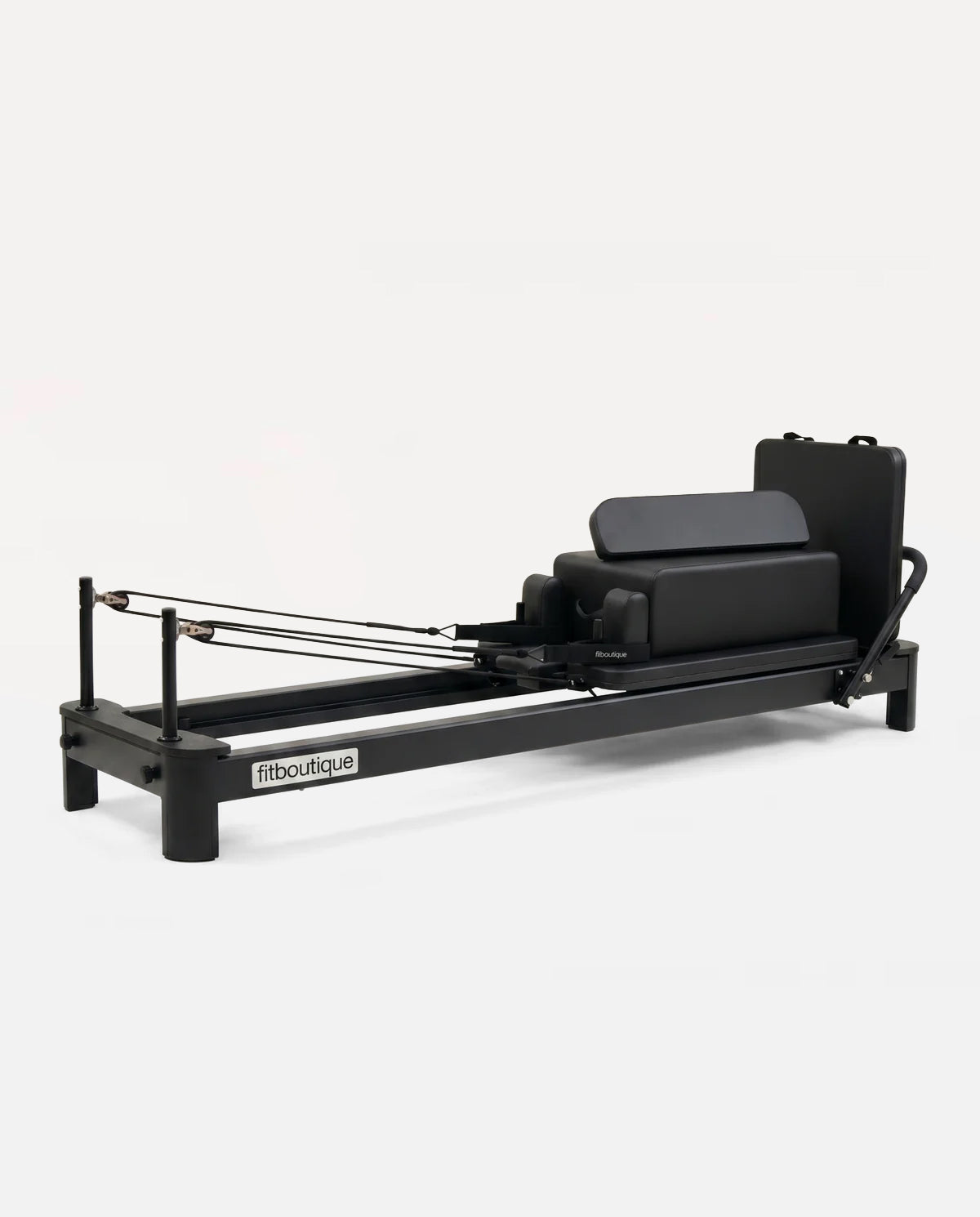
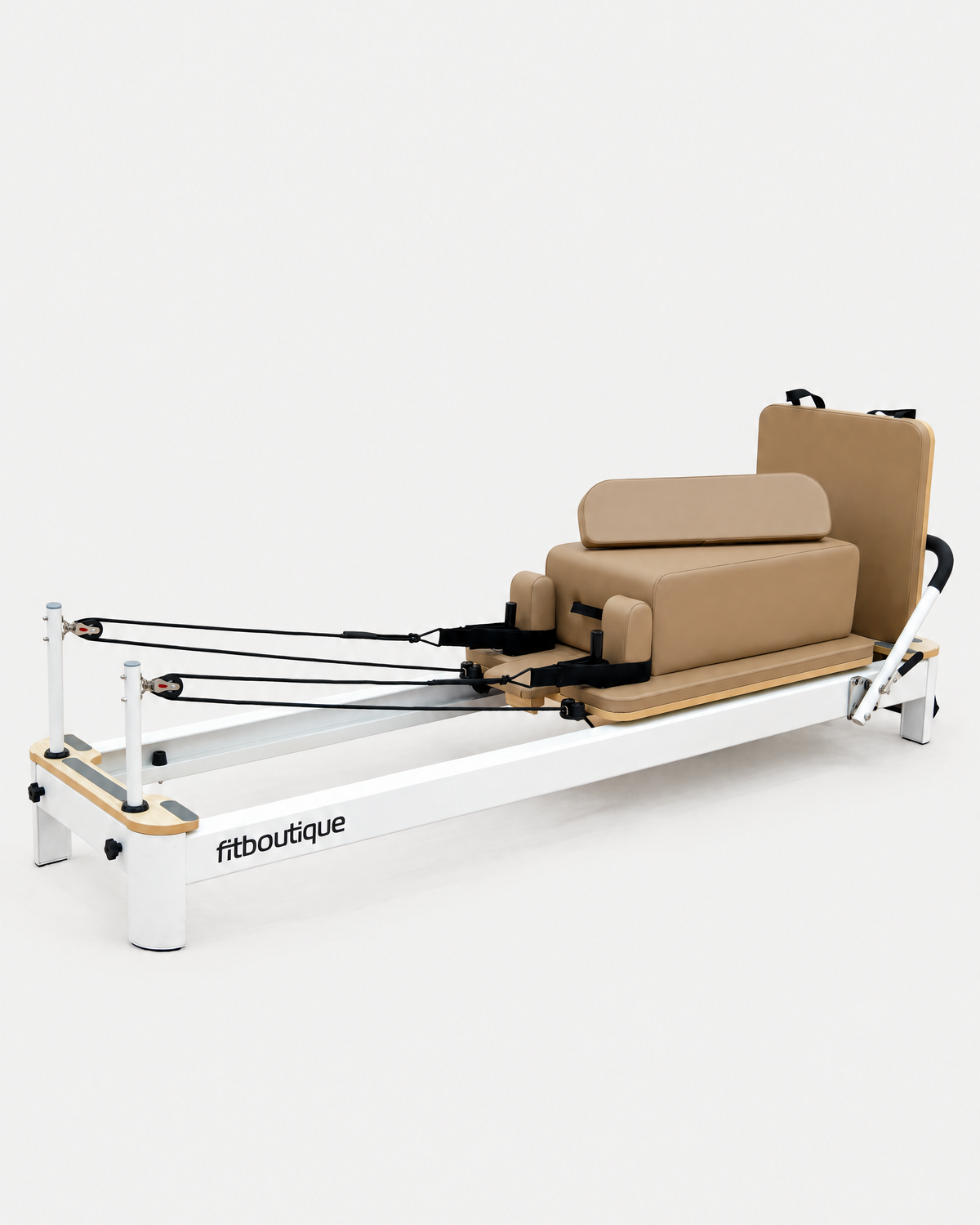
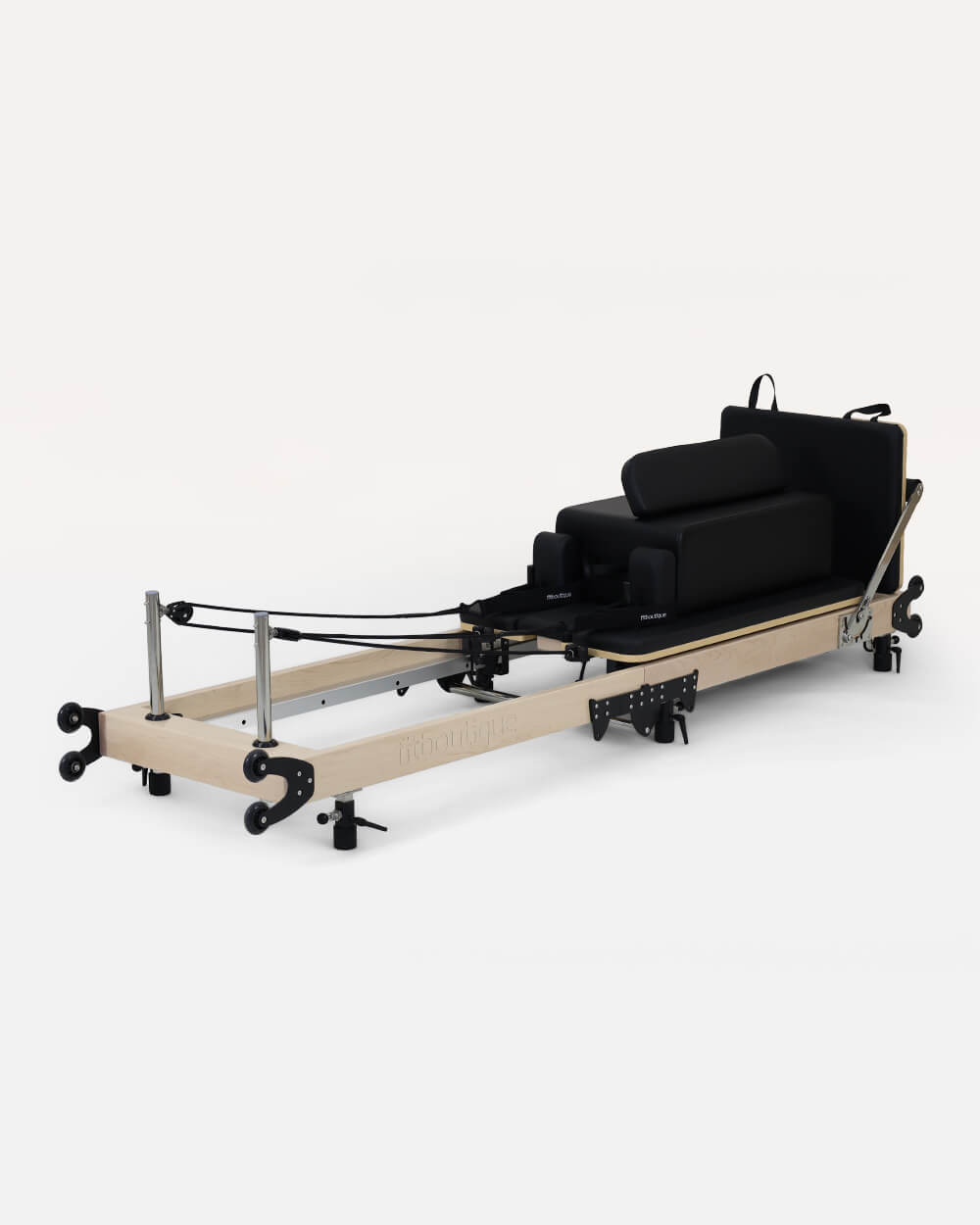
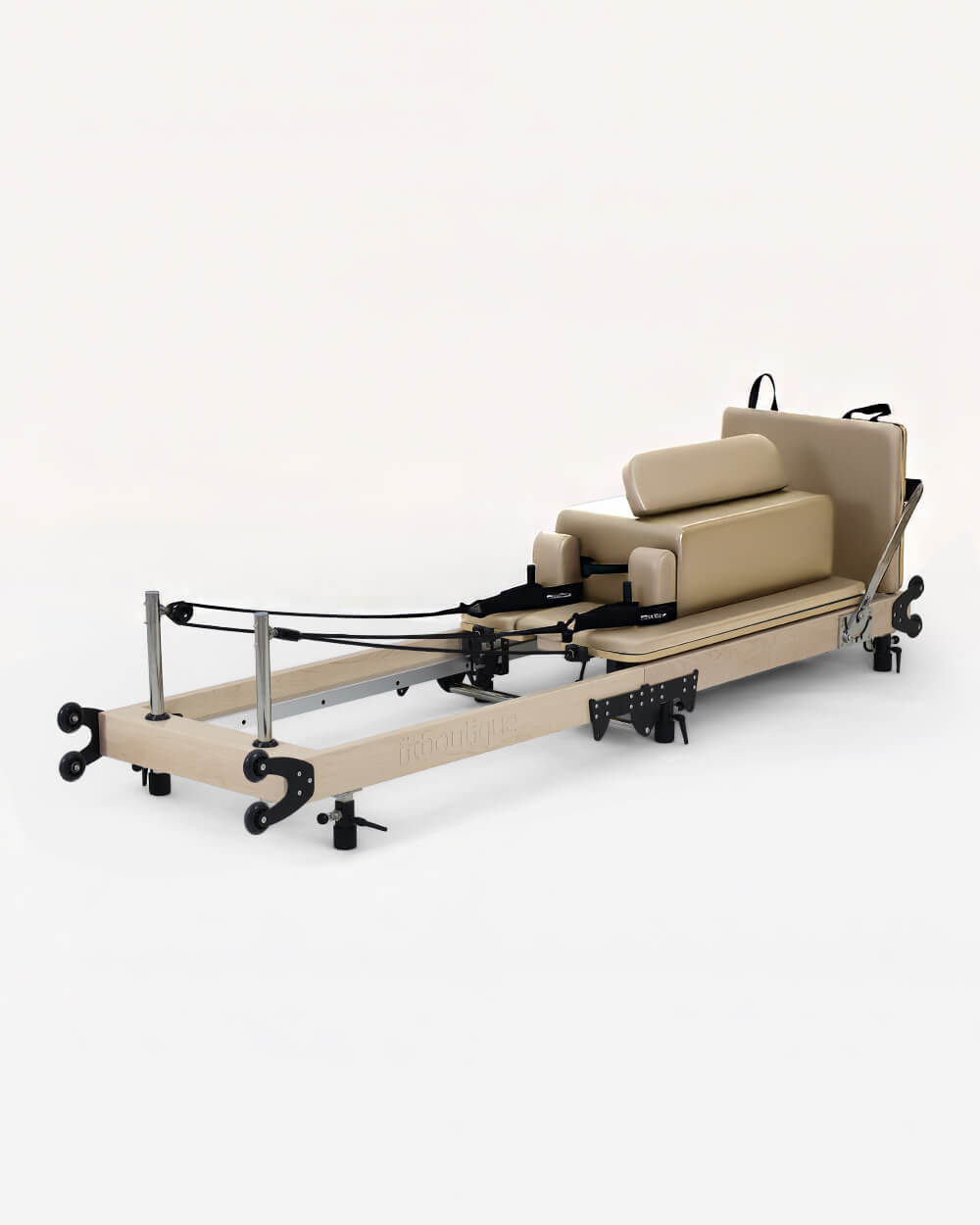
The springs become your progress meter at this point. On our Onyx Reformer I track this by which spring combination I am using for footwork compared with a month earlier. It is a more honest measure than the mirror because you cannot argue with it.

Weeks 6 to 8
Now the mirror starts cooperating. Not dramatically. The waist has a bit more definition. The arms have a line where there was not one. Photos show it more clearly than the mirror does, which is why I suggest taking them from the start even though you will not want to.
Movement feels lighter, which is hard to explain until you feel it. Getting up, bending down, carrying shopping, it all takes less effort because the muscles that stabilise those movements are finally doing their job.
The trap here is easing off. People see the first visible change and unconsciously start skipping sessions because they feel they have arrived. You have not arrived. You have started.
Around 3 months
At around 12 weeks the change stops being a phase and becomes the way your body is. Tone in the upper arms, back and thighs that stays even on the weeks you train less. Core strength that shows up in everything from lifting a toddler to sitting through a long drive.
Old niggles flare less. Not because the reformer fixed them, but because the muscles around them are now strong enough to take the load those joints were carrying on their own.
You may weigh the same as you did in week one. You will look leaner, move better and feel considerably stronger, and if the scales are the only thing you have been checking, you will have missed all of it.
Signs it is working before you can see it
If you want reassurance before the visible stage, these are the ones I trust. They arrive in roughly this order.
- You feel the right muscles during the exercise. Footwork that you feel in your glutes and hamstrings rather than the front of your thighs. Ab work you feel low in the belly rather than in your neck. This is the earliest reliable sign and it can happen in week 1.
- The carriage stops wobbling. On light springs, the carriage should move like it is on rails. When it does, your stabilisers have caught up.
- You correct your own posture without thinking. Catching yourself slumped and fixing it before anyone has to tell you.
- You can drop a spring. Doing the same exercise with less resistance and more control is the single clearest marker of progress on a reformer, because lighter is harder.
- Someone else comments. Usually about posture, usually around week 5 or 6, and usually before you have noticed anything yourself.
What slows it down
Training once a week. It keeps you ticking over but it does not build anything, because by the time the next session comes around your body has forgotten the last one.
Rushing. Momentum does the work that your muscles were supposed to do, and you end a session feeling like you did something without any of the muscles having been asked to change.
Never reducing the springs. If you have been on the same footwork springs for 2 months, you are maintaining, not progressing.
Skipping the warm up. I have written a whole piece on warming up before reformer Pilates, and the short version is that without it your first 3 exercises are wasted.
Judging yourself on the scales. Reformer Pilates builds muscle and improves posture, neither of which weighs less. If you are training 3 times a week and weigh the same, that is expected and not a problem.
How to track it without the scales
Photos every 3 to 4 weeks, same spot, same light, same clothes. You will hate doing it and you will be glad you did.
A note on your springs. Which combination for footwork, which for strap work, written down once a month. This is the measure I would keep if I could keep only one.
How you feel getting up from the floor, out of a low chair, out of the car. These are the movements that quietly get easier, and they are a better test than anything on the reformer itself.
Clothes. A waistband that sits differently is data.
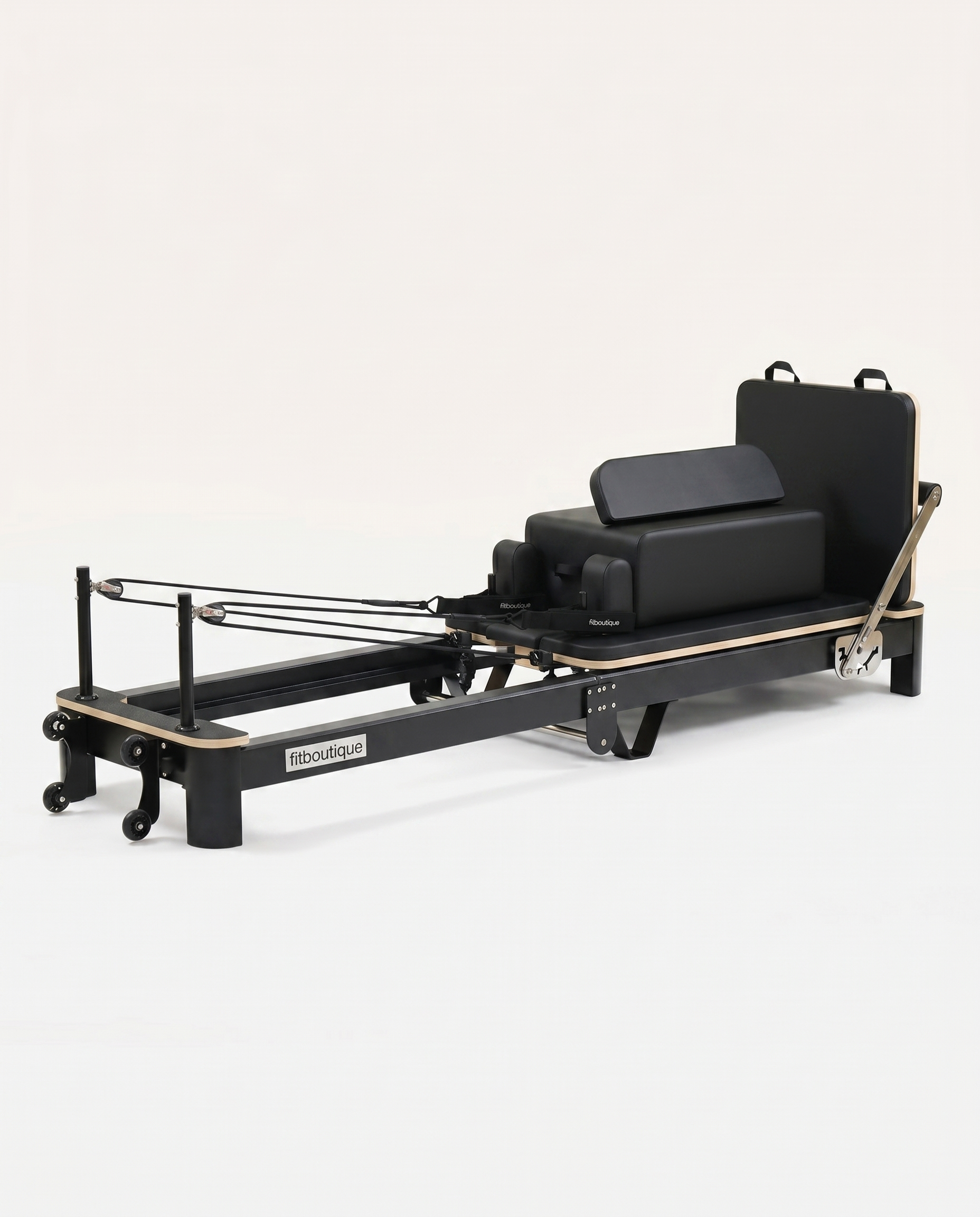
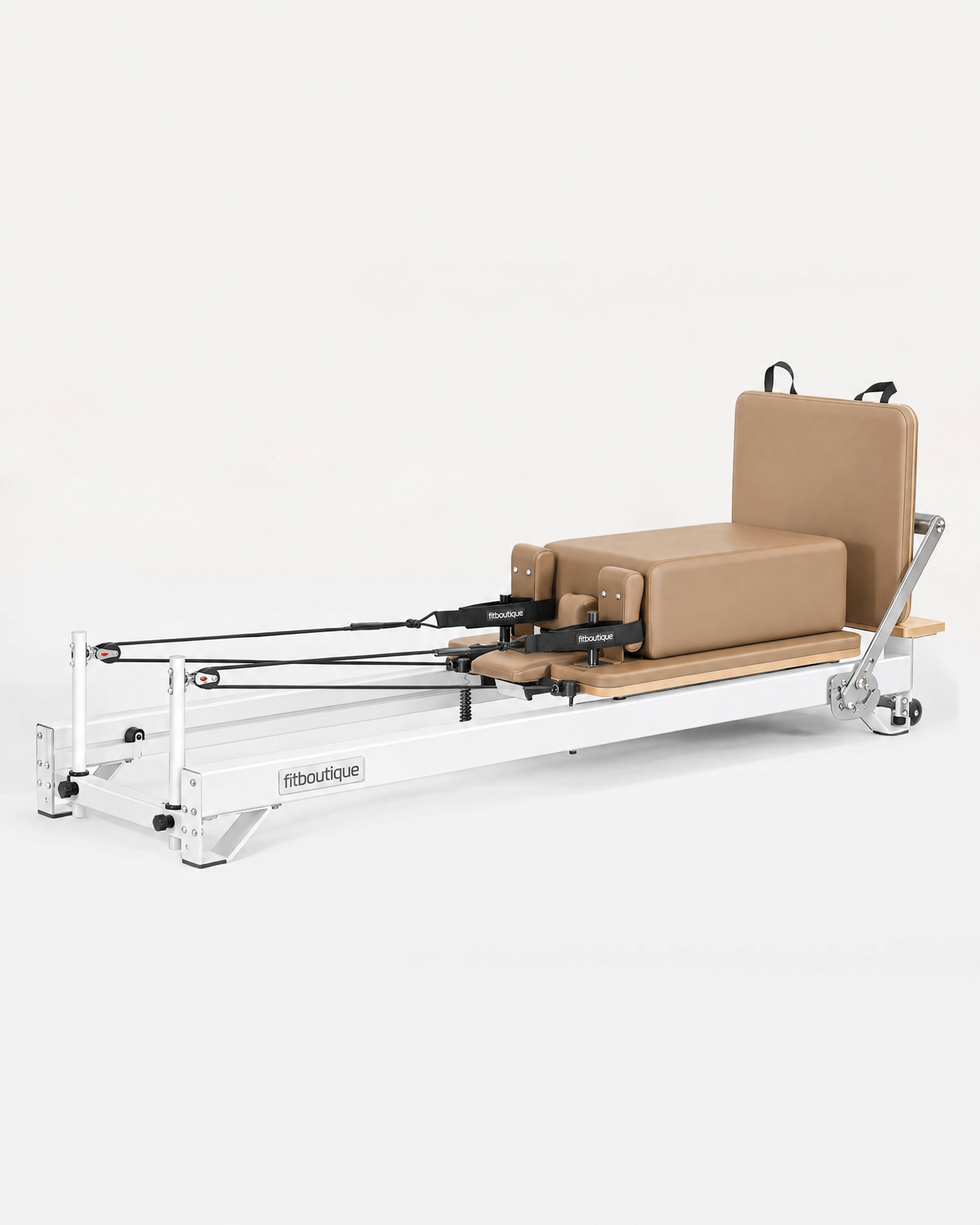
All of this is easier to keep up at home, which is the reason I train on a Onyx Fold Reformer in my spare room rather than relying on a class timetable. The results above assume you turn up 2 to 4 times a week for 3 months, and the biggest predictor of whether you will is whether the machine is 10 metres away or 10 minutes away.
A Note From Ayrah
The first change anyone noticed in me was not my waist or my arms. It was that I stopped using my hands to get up off the floor.
I was sitting on the carpet with a friend and I just stood up, and she stopped mid sentence and said "when did you start doing that?". I had no idea I was doing it. It had happened somewhere in the previous month without me noticing.
I had been checking the mirror every morning for 5 weeks looking for a result. The result had shown up somewhere I was not looking, in a movement I did 20 times a day, and someone else had to point it out.
That is what reformer Pilates results actually look like for most people. Not a before and after photo. A thing you used to brace for that you no longer brace for. If you are 4 weeks in and think nothing has changed, ask someone who sees you every day. They will know before you do.
Frequently Asked Questions
What is the first change I will notice from reformer Pilates?
Feeling taller after a session, and soreness in muscles you rarely feel, such as the inner thighs and between the shoulder blades. Both can happen after your first session. Visible change comes weeks later, so judge the early sessions by what you feel, not what you see.
Why do I feel different but look the same after 3 weeks?
Because that is the correct order. Control, posture and body awareness change first, and they do not show up in a mirror. Visible tone typically follows around weeks 6 to 8 if you are training 2 to 4 times a week. Week 3 is when most people give up, and it is exactly the wrong week to do it.
Will other people notice before I do?
Very often, yes. Posture changes are obvious to people who see you regularly and almost invisible to you, because you are looking for a shape change and they are seeing how you carry yourself. Around weeks 4 to 6 is when the comments tend to start.
Why has my weight not changed?
Reformer Pilates builds muscle and improves posture, and neither of those weighs less. Many people look noticeably leaner at 3 months while weighing exactly what they did at the start. If the scales are your only measure, you will miss most of what has happened.
How do I know it is working before I can see anything?
Feeling the right muscles during an exercise, the carriage moving smoothly on light springs, and being able to do the same exercise on a lighter spring with control. That last one is the clearest marker of progress on a reformer, because lighter is harder.
Does training once a week give results?
Slowly, and mostly in body awareness rather than shape or strength. Every stage in this article assumes 2 to 4 sessions a week. Once a week keeps you ticking over but does not build much, because the body has largely reset by the time the next session comes around.
Do results come faster on a home reformer?
Not because the machine is different, but because you turn up more. The results above depend on consistency over about 3 months, and a reformer at home removes travel, timetables and the excuses that come with them.
What is the best way to track reformer Pilates progress?
Photos every 3 to 4 weeks in the same spot and light, a monthly note of which springs you use for footwork and strap work, and paying attention to everyday movements like getting up from the floor. Those 3 together tell you far more than the scales.
See The Change At Home
Every FitBoutique reformer arrives assembled with 6 German made springs, a jumpboard and box included, free delivery Australia wide and a 5 year warranty.
Compare Every Reformer
Written by Ayrah Yuso
I'm part of the FitBoutique team and have a solid passion (and love) for all things exercise related, including Reformer Pilates

















Leave a comment