



Why Is Reformer Pilates So Expensive?
I sell reformers for a living, so you would expect me to defend the price of reformer Pilates. I am going to do something slightly different and tell you where the money actually goes, including the parts of it I think are genuinely hard to justify. Because the honest answer to why reformer Pilates is expensive is not one thing, it is four, and only two of them are about the equipment at all. The fourth one is the one nobody in the industry likes talking about.
In this article
- The question behind the question
- The machine is genuinely expensive to build
- The instructor is the real cost, and should be
- Small classes are the entire product
- Rent is the line item nobody mentions
- The maths that changed my mind
- When a studio is worth every cent
- What a cheap reformer actually costs you
- Frequently asked questions
The question behind the question
Almost nobody asking this is complaining about the price in the abstract. They are asking whether they are being taken advantage of, because reformer Pilates costs multiples of a gym class and it is not obvious from the outside why.
That is a fair question and it deserves a straight answer rather than a defence. So here is the breakdown, roughly in order of how much of your class fee each one absorbs.
The machine is genuinely expensive to build
Start with the obvious one, though it is not actually the biggest.
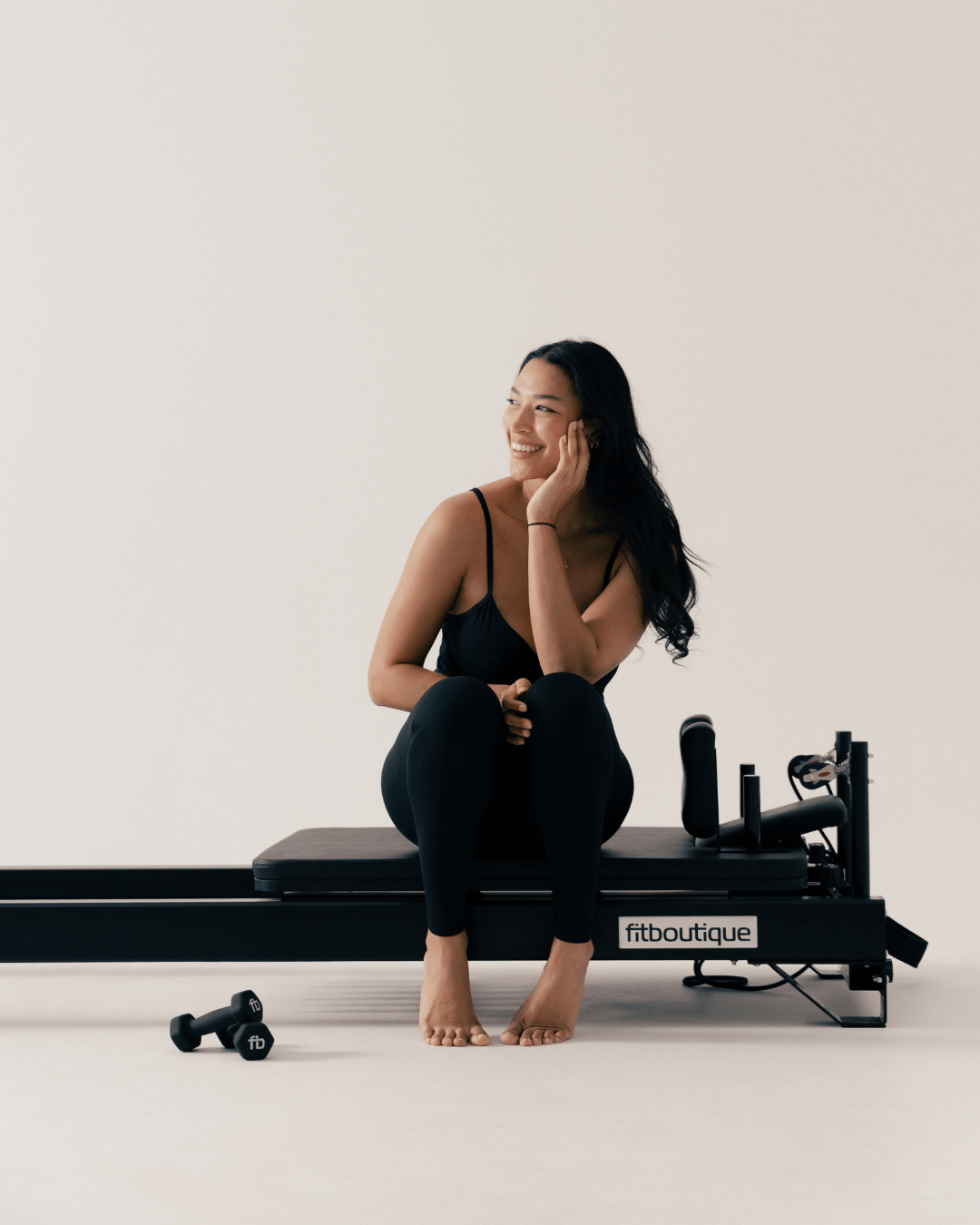
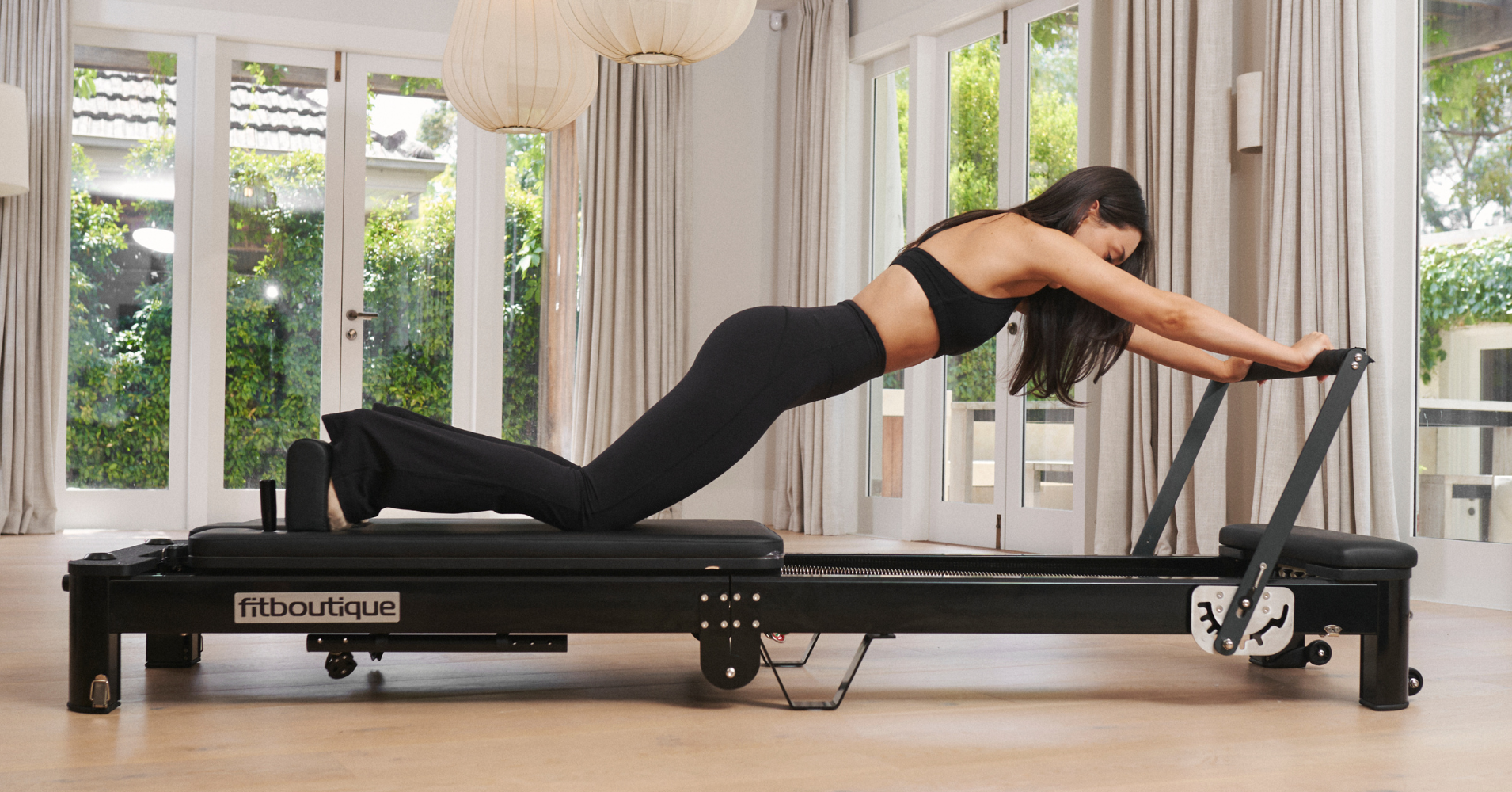
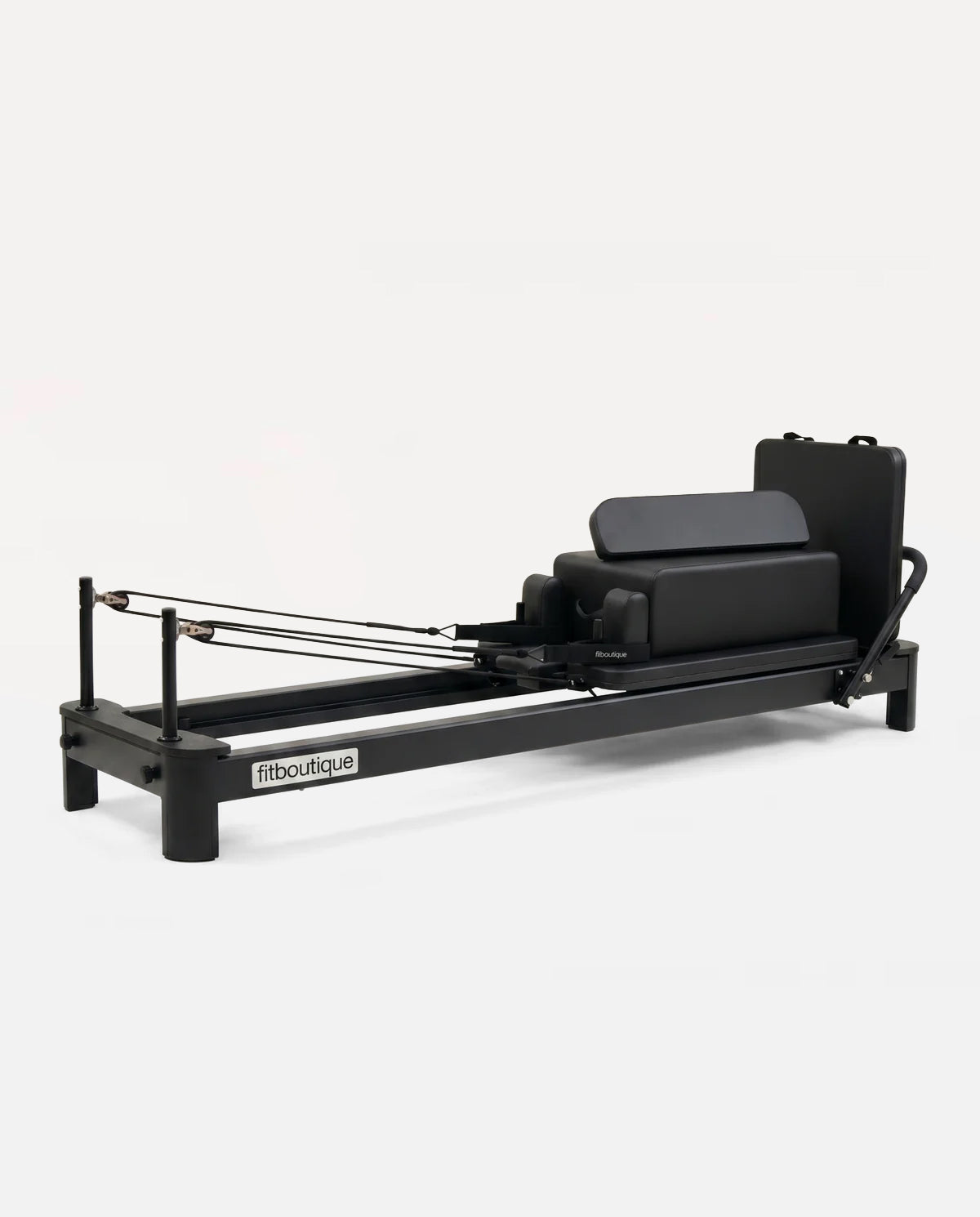
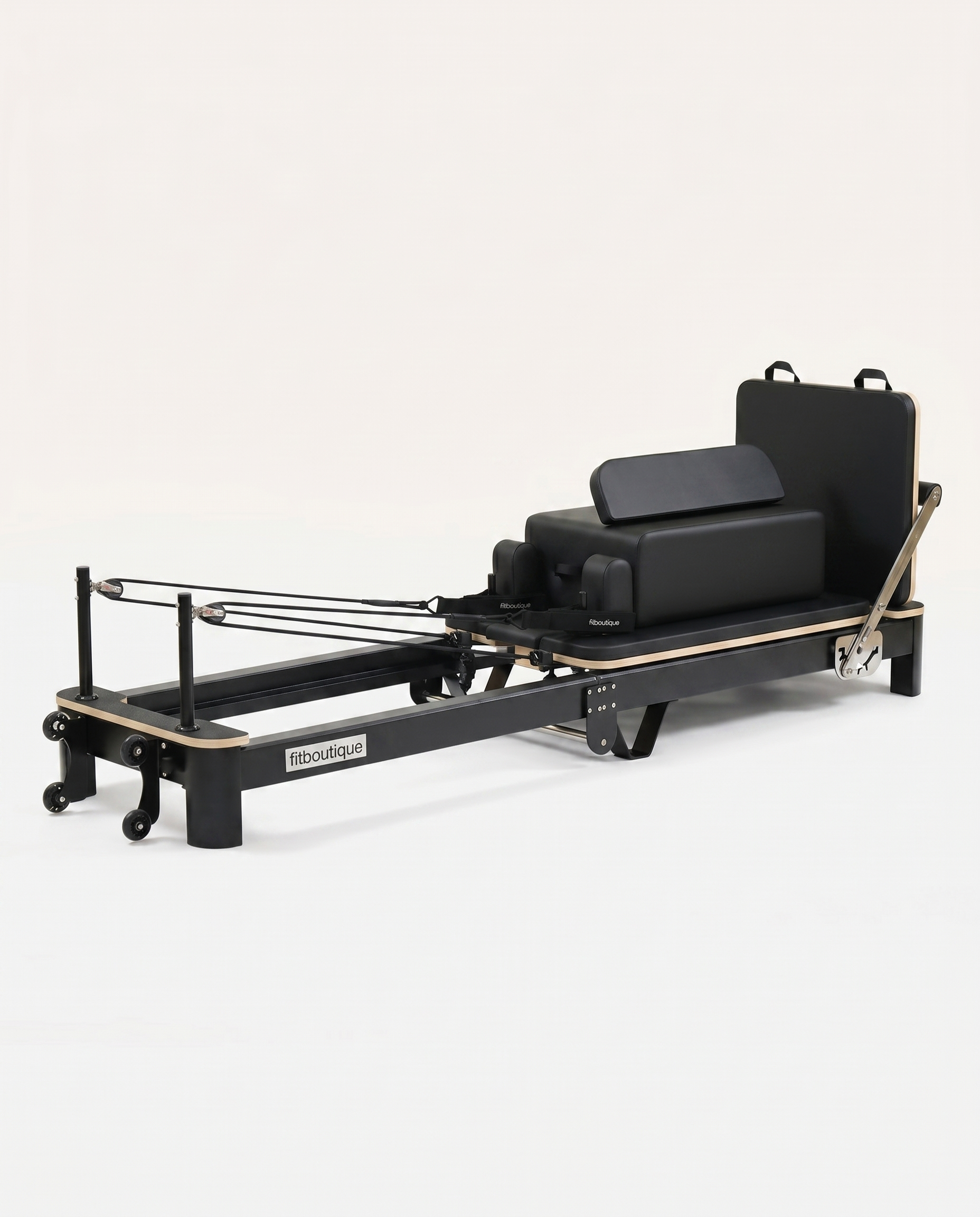
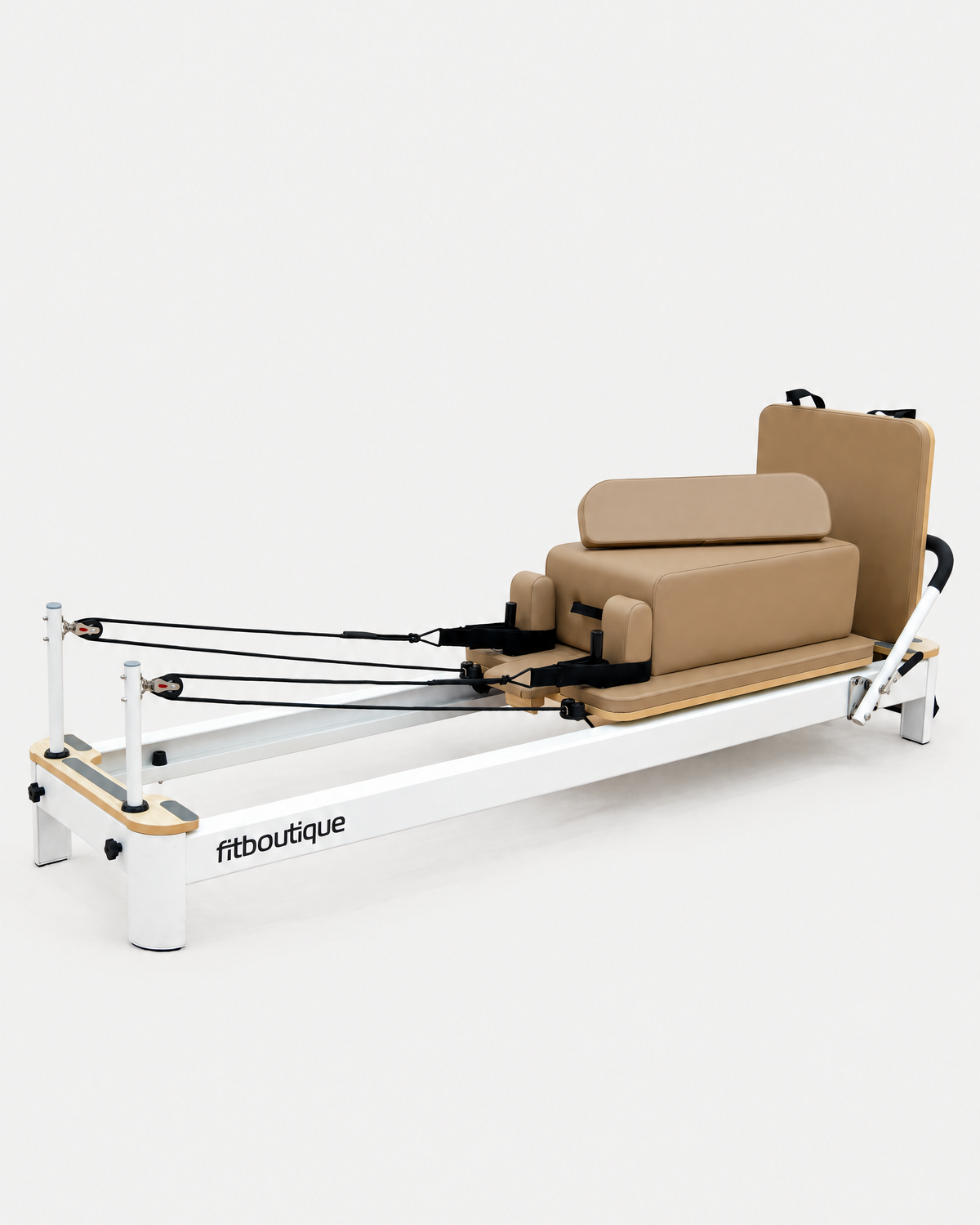
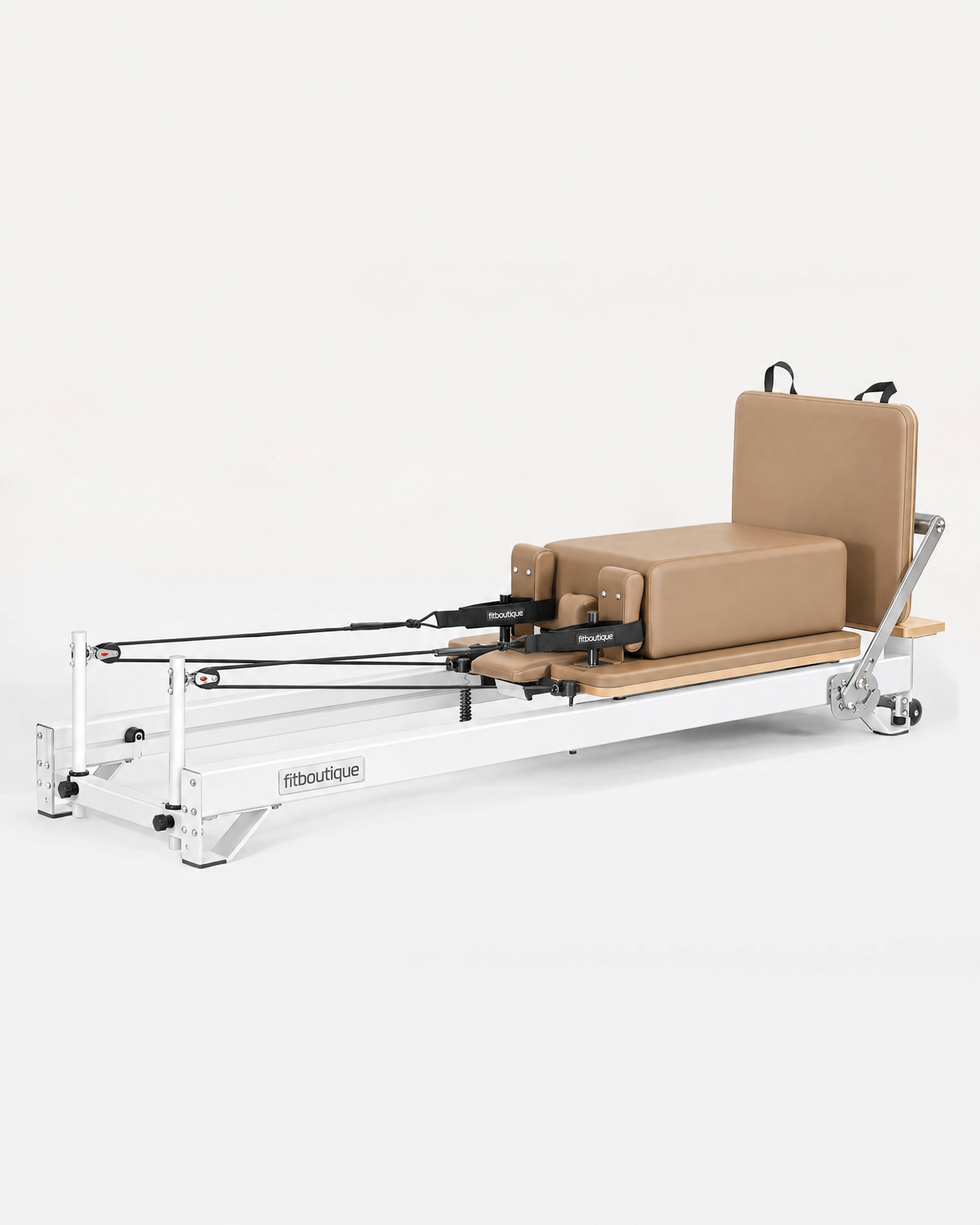
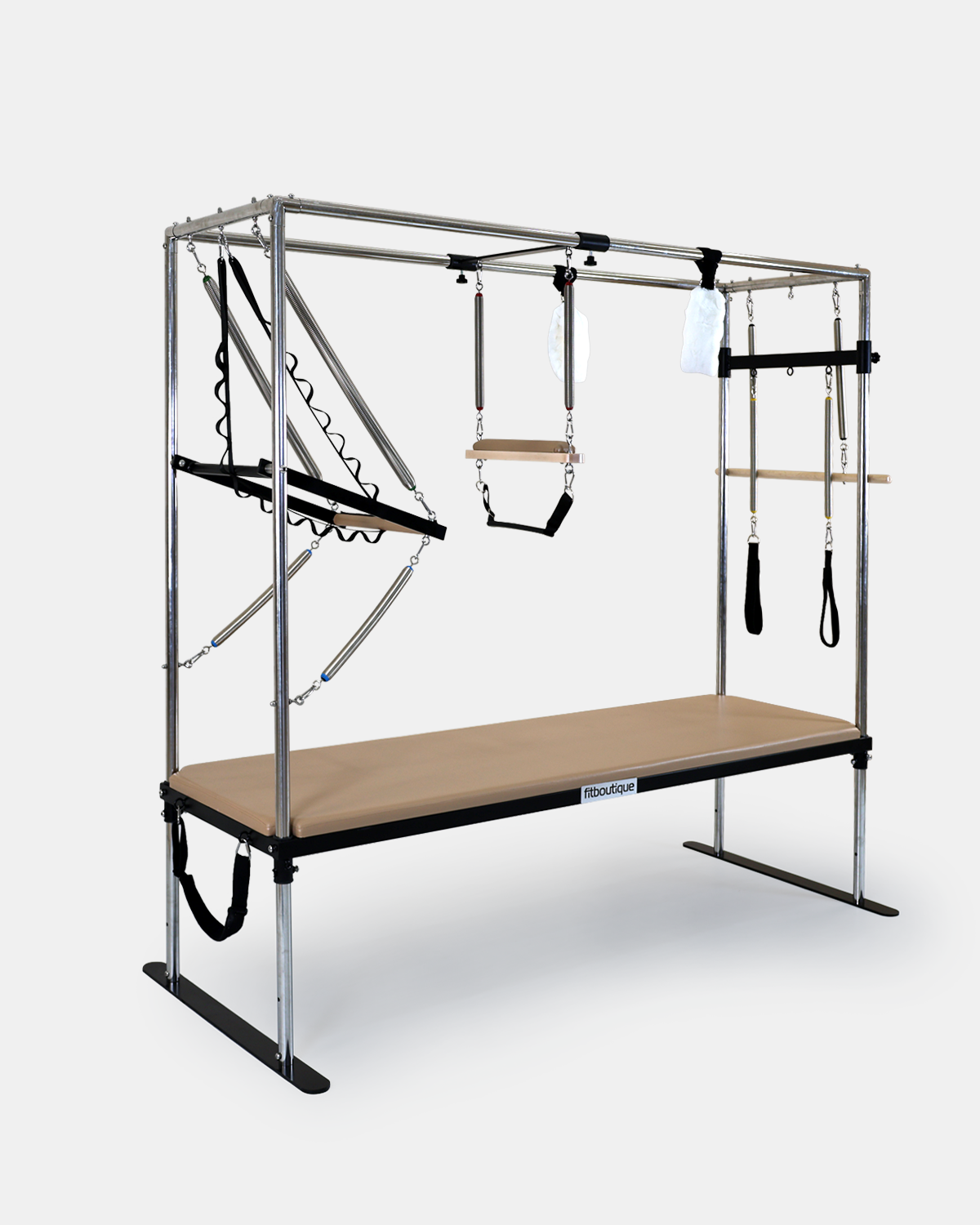
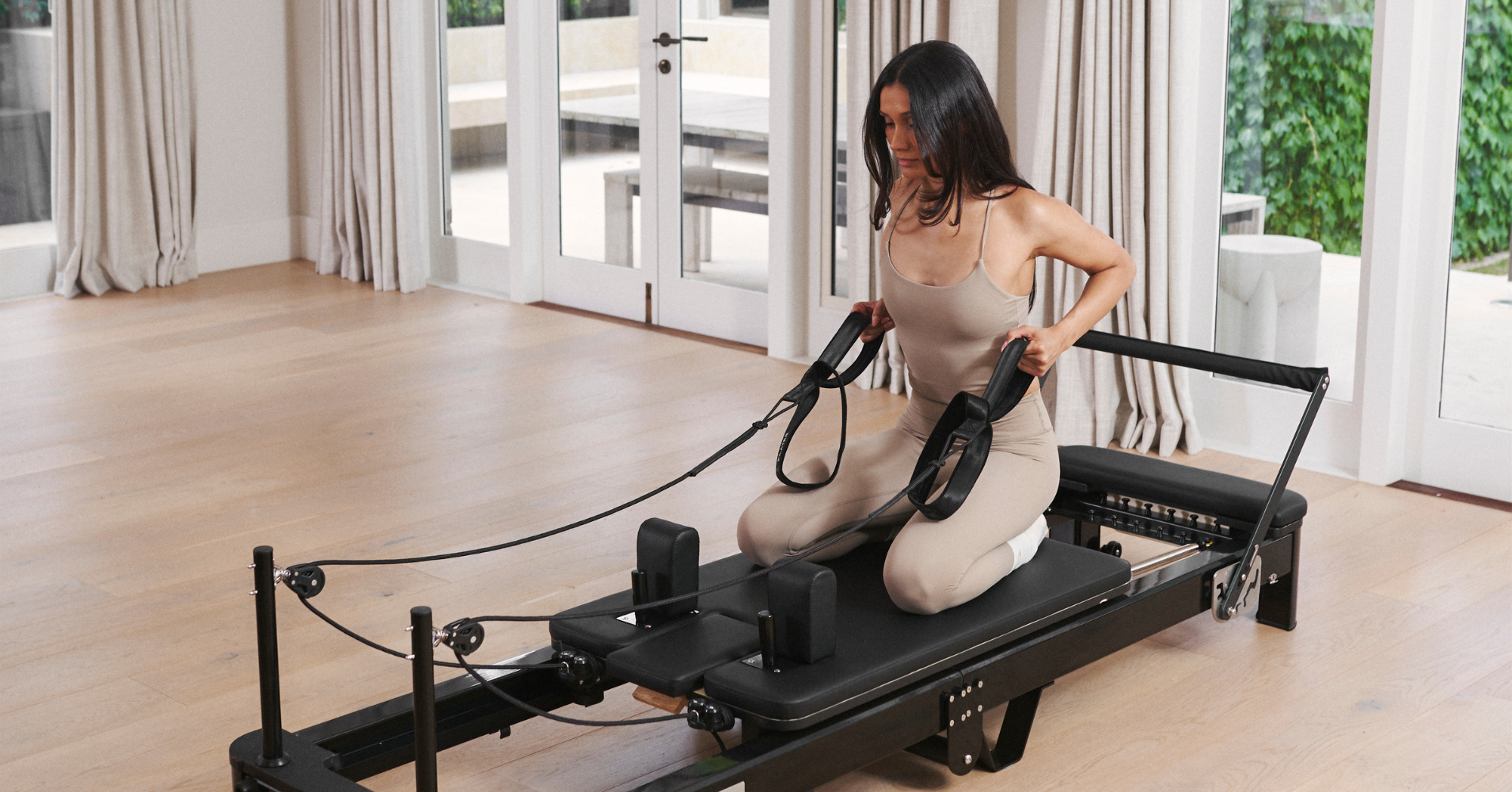
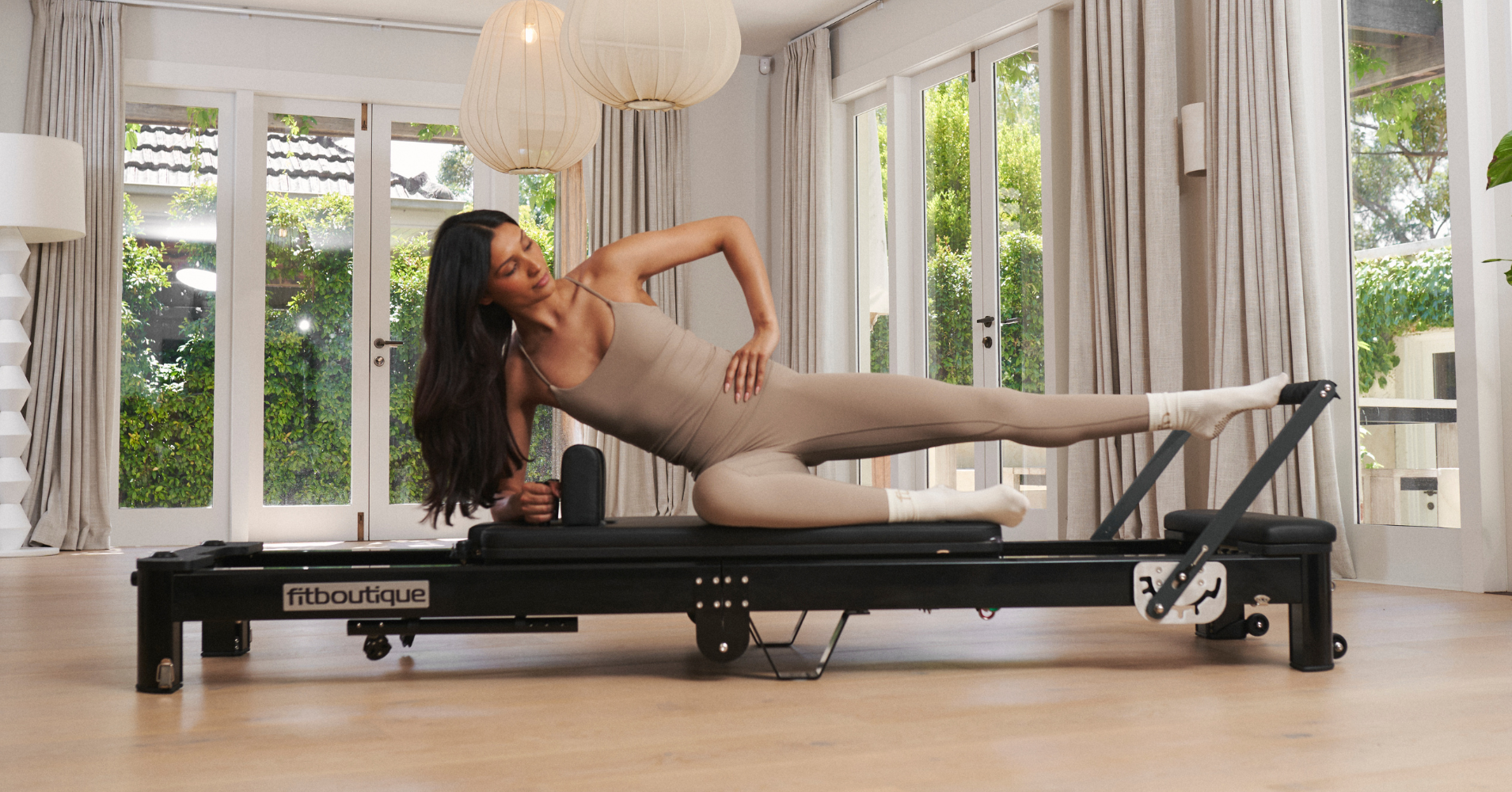
A reformer is not a simple object. There is a precision aluminium or timber frame that has to stay true under repeated load, a carriage running on wheels along a rail with tolerances tight enough that it glides silently and does not catch, a spring system where each spring has to deliver consistent resistance thousands of times, upholstery, ropes, pulleys and a footbar with multiple locking positions. Our machines run a 6 spring German made system with a two tiered spring bar, and the springs alone are a meaningful part of the cost.
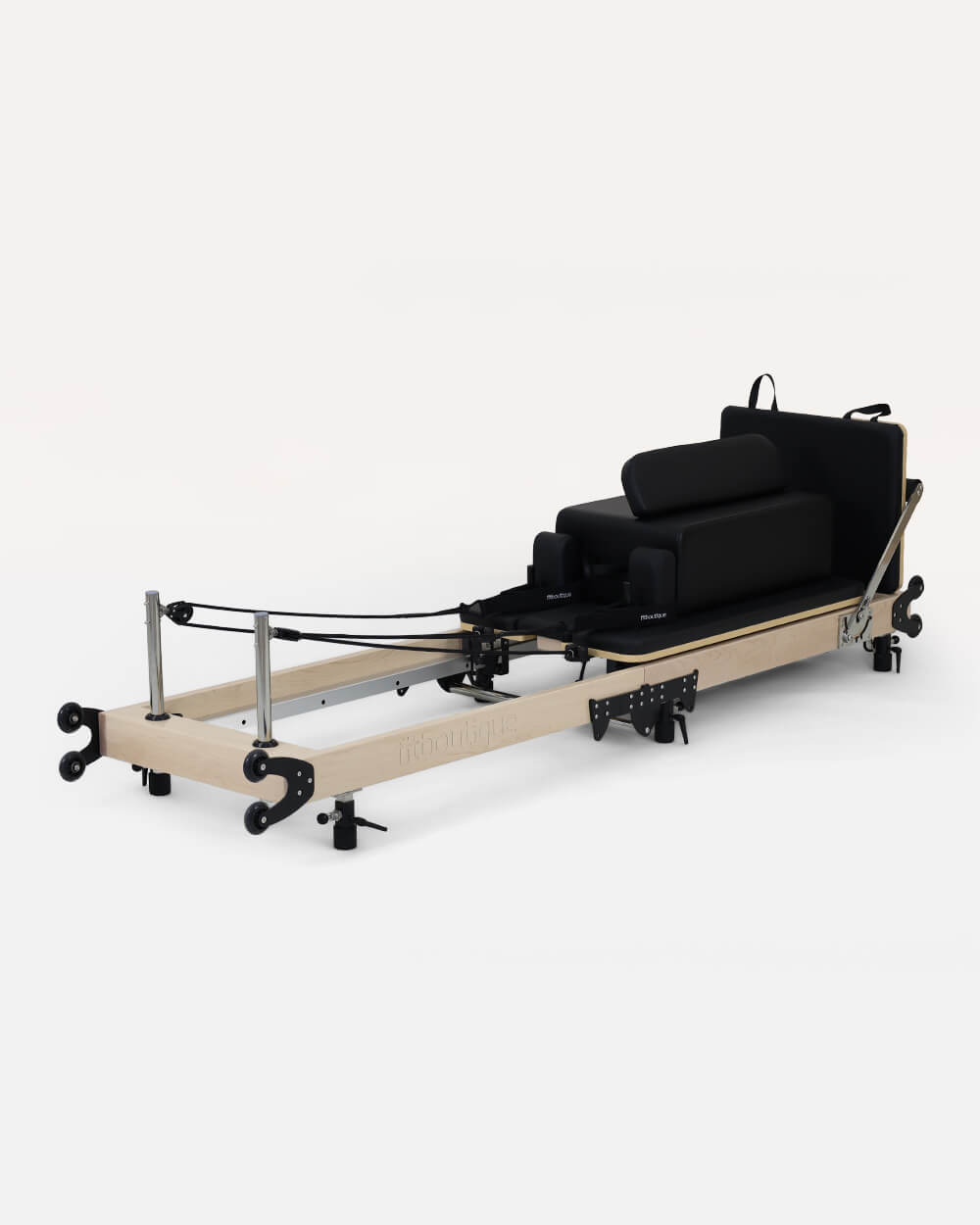
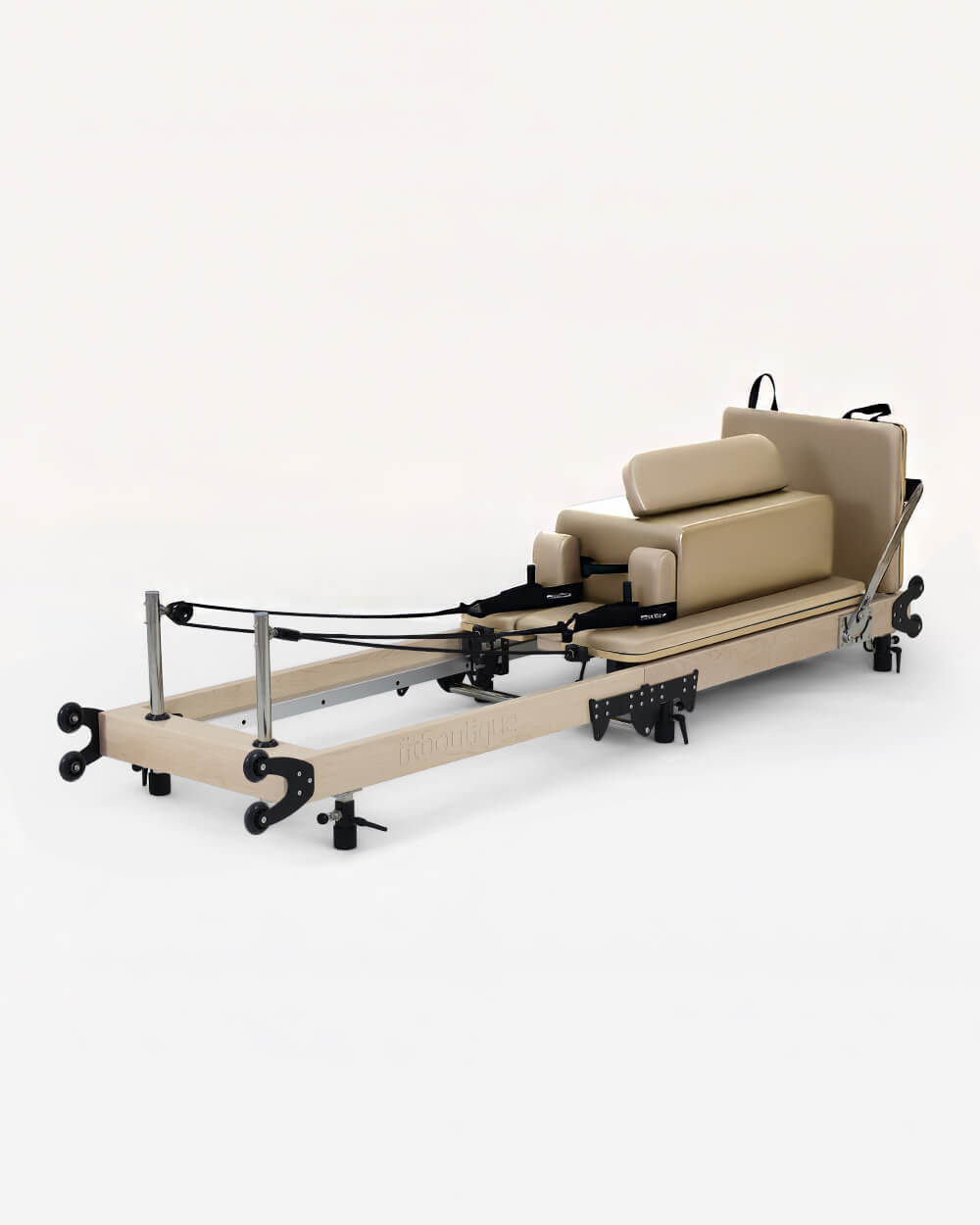
Our own range runs from the low two thousands for the timber and foldable models up to the high end studio machines, and the Mega XL Reformer sits well above that again with an extended rail and an 8 spring system.
Now multiply. A studio running group classes needs eight to twelve of them, plus spares, plus replacement springs and ropes as they wear. That is a substantial capital outlay before a single client walks in, and it is being amortised across your class fee.
But here is the thing people get wrong. If equipment were the main driver, class prices would have fallen as machines became more available. They have not, because the machine is not the expensive part.

The instructor is the real cost, and should be
This is the biggest line item and I have no interest in apologising for it.
A reformer instructor is not somebody who learned a routine. Comprehensive Pilates certification runs to hundreds of hours across mat, reformer and the rest of the apparatus, including anatomy, biomechanics, contraindications and how to modify for injury, pregnancy and rehabilitation. It takes a year or more and it is expensive to obtain.
Then consider what they are doing in the room. In a spin class the instructor is at the front and the risk of anybody hurting themselves is low. In a reformer class the instructor is watching ten people on machines with moving carriages and spring tension, spotting that person four is compensating through their neck and person seven has their pelvis tipping, and correcting both before either becomes a problem. That is a different job requiring different training, and it is priced accordingly.
If instructors were paid like general group fitness staff, the qualified ones would leave, and you would be doing loaded spring work under someone who cannot see what your hips are doing. That is a genuinely worse outcome than a higher class fee.
Small classes are the entire product
A reformer class caps at eight to twelve because that is how many machines fit, and because beyond that number the instructor cannot actually watch everybody.
Run the arithmetic from the studio side. A group fitness class might have forty people paying a small amount each. A reformer class has ten people, and the studio still pays the same instructor, the same rent for that hour, and the same overheads. To arrive at the same revenue, each of those ten people pays substantially more.
That is not a markup, it is division. And the small class size is not an inconvenience the studio tolerates, it is the thing you are paying for. It is why you get corrected. Take away the small class and you have removed the product.

Rent is the line item nobody mentions
This is the one that rarely comes up and it is enormous.
A reformer needs about 3 metres by 2 metres of usable space once you allow proper clearance. Ten machines with instructor access between them needs a genuinely large floor, plus reception, changing space and storage. And Pilates studios tend to sit in expensive retail strips, because that is where their clients are.
So a Pilates studio is paying commercial rent on a large footprint to serve ten people an hour. A gym pays rent on a similar footprint to serve a hundred and fifty. That difference in revenue per square metre per hour is doing more to your class fee than the machines are.
Add the rest of it, insurance at higher rates because there is equipment involved, booking software, cleaning, laundry, music licensing, maintenance. None of it is glamorous and all of it is in your class price.
The maths that changed my mind
I am not going to tell you what your studio charges, because it varies enormously by city and suburb. So do this instead, with your own numbers, and give it thirty seconds.
- Take what one class costs you. Use the real number you pay, not the casual rate you never use.
- Multiply by how many classes you do a week. Be honest, use what you actually attend rather than what your pack allows.
- Multiply that by 52. This is your annual spend on reformer Pilates.
- Compare it to a machine. A reformer is a one time cost with a 5 year warranty, and for most people doing two or more classes a week the annual figure in step three lands somewhere near the price of owning one.
For a lot of people that number is genuinely surprising, because a class fee feels small each time and never gets totalled. That is not an argument that studios are overcharging. It is an argument that recurring costs hide from you in a way one off costs do not.
If the maths points at owning one, the Maple Crest Reformer in timber is where our range starts, and the Ivory Reformer and Onyx Fold Reformer are the foldable commercial grade machines most home users end up with.
When a studio is worth every cent
I want to be fair here, because I do not think the answer is simply buy a machine.
If you are new, a studio is worth the money and I would not skip it. You cannot see your own alignment, and there is no substitute for somebody telling you your ribs are flaring or your shoulder is doing the work your back should be doing. Buy ten or twenty classes and learn properly.
If you are managing an injury or working around a specific issue, stay with a qualified instructor. That is exactly what the training is for.
And if the booking is what gets you out of the house, keep paying for it. Plenty of people train better with a scheduled commitment and other people in the room, and there is no point owning a machine you have to talk yourself onto.
The strongest arrangement I see is a hybrid. Learn at a studio, buy a machine, keep one class a week or a periodic private session for form checks, do the rest at home.

What a cheap reformer actually costs you
The other side of this question is people asking why one reformer costs a few hundred and another costs a few thousand.
The difference is rarely visible in a photograph. It is in the wheels and the rail, whether the carriage glides silently for years or starts catching, in the springs and whether they deliver the same resistance at year three as at week one, in the frame and whether it flexes under a heavier user, and in whether spare parts exist at all in twelve months.
A reformer with a catching carriage is not just annoying, it is teaching your body to brace against a jolt on every repetition, which is the opposite of what you bought it for. And a machine with no available spare parts is disposable, whatever it cost.
Ours carry a 5 year warranty with spare parts held in Melbourne, which is a deliberate answer to exactly that problem.
A Note From Ayrah
The worst reformer I have ever used was in a friend's garage, and what made it unusable was not the thing anybody would have checked.
The frame was fine. The upholstery was fine. The springs were acceptable. The wheels were the problem. There was a flat spot on one of them, so the carriage caught twice per stroke, at the same two points every single time.
You adapt to that within about five minutes, and that is precisely why it is so bad. My body learned to brace an instant before each catch. Which means every repetition I did on that machine was teaching me to tense up at exactly the moment I was supposed to be smooth and controlled. She had been training on it for eight months, wondering why her shoulders were always tight.
Cheap equipment rarely fails in a way that makes you stop using it. It fails in one small component you never thought to ask about, and then it quietly teaches you a bad habit for months. If you are comparing machines on price, ask about the wheels and the rail. Not the frame, not the padding, not the colour. That is where the difference actually lives, and it is the one thing you cannot see in a photograph.
Frequently Asked Questions
Why is reformer Pilates more expensive than other fitness classes?
Mostly because of class size and rent rather than equipment. A reformer class holds eight to twelve people while a group fitness class might hold forty, and the studio pays the same instructor and the same rent for that hour either way. You are paying for one tenth of an instructor's hour instead of one fortieth, on a floor that serves far fewer people per hour.
Why do reformer machines cost so much to buy?
A reformer is a precision piece of equipment. The carriage runs on wheels along a rail with tolerances tight enough to glide silently under load, the springs have to deliver consistent resistance thousands of times, and the frame has to stay true for years. Our machines use a 6 spring German made system with a two tiered spring bar, and the components rather than the appearance are where the cost sits.
Is buying a reformer cheaper than studio classes?
For many regular attendees, yes, though it depends entirely on your studio price and how often you go. Take what one class costs you, multiply by your weekly classes, multiply by 52, and compare that annual figure to a one off machine purchase with a 5 year warranty. People are often surprised, because class fees feel small individually and never get totalled.
Are cheap reformers worth it?
Usually not, and the failure is rarely dramatic. It shows up in the wheels and rail, where a catching carriage teaches you to brace on every repetition, in springs that lose consistency, in frames that flex under heavier users, and in spare parts that do not exist a year later. A machine you cannot get parts for is disposable regardless of what it cost.
Why are reformer classes limited to so few people?
Partly because that is how many machines fit in the room, and mainly because beyond that number the instructor cannot genuinely watch everybody. In a class with moving carriages under spring tension, the instructor spotting a compensation before it becomes a problem is the actual product. Removing the small class size removes the thing you are paying for.
Why are Pilates instructors paid more than gym instructors?
Comprehensive Pilates certification runs to hundreds of hours across the full apparatus, including anatomy, biomechanics, contraindications and modifications for injury and pregnancy, and it typically takes a year or more. The job in the room is also different, since they are monitoring ten people on loaded equipment rather than leading from the front.
Should I take classes or buy a machine?
If you are new, take classes first. You cannot see your own alignment and there is no substitute for being corrected. The arrangement that works best for most people is a hybrid, learn properly at a studio, buy a machine, then keep one class a week or an occasional private session as a form check while doing the rest at home.
Is reformer Pilates worth the money?
That depends on what you compare it to. Against a gym membership it looks expensive. Against personal training, which is closer to what you are actually receiving in a class of ten with a highly qualified instructor, it looks reasonable. The value question is really whether you need the instruction, and early on almost everybody does.
Run The Numbers On Owning One
Commercial grade reformers from timber to studio spec. Free delivery Australia wide, spare parts held in Melbourne and a 5 year warranty on every machine.
Compare Every Reformer
Written by Ayrah Yuso
I'm part of the FitBoutique team and have a solid passion (and love) for all things exercise related, including Reformer Pilates

















Leave a comment