



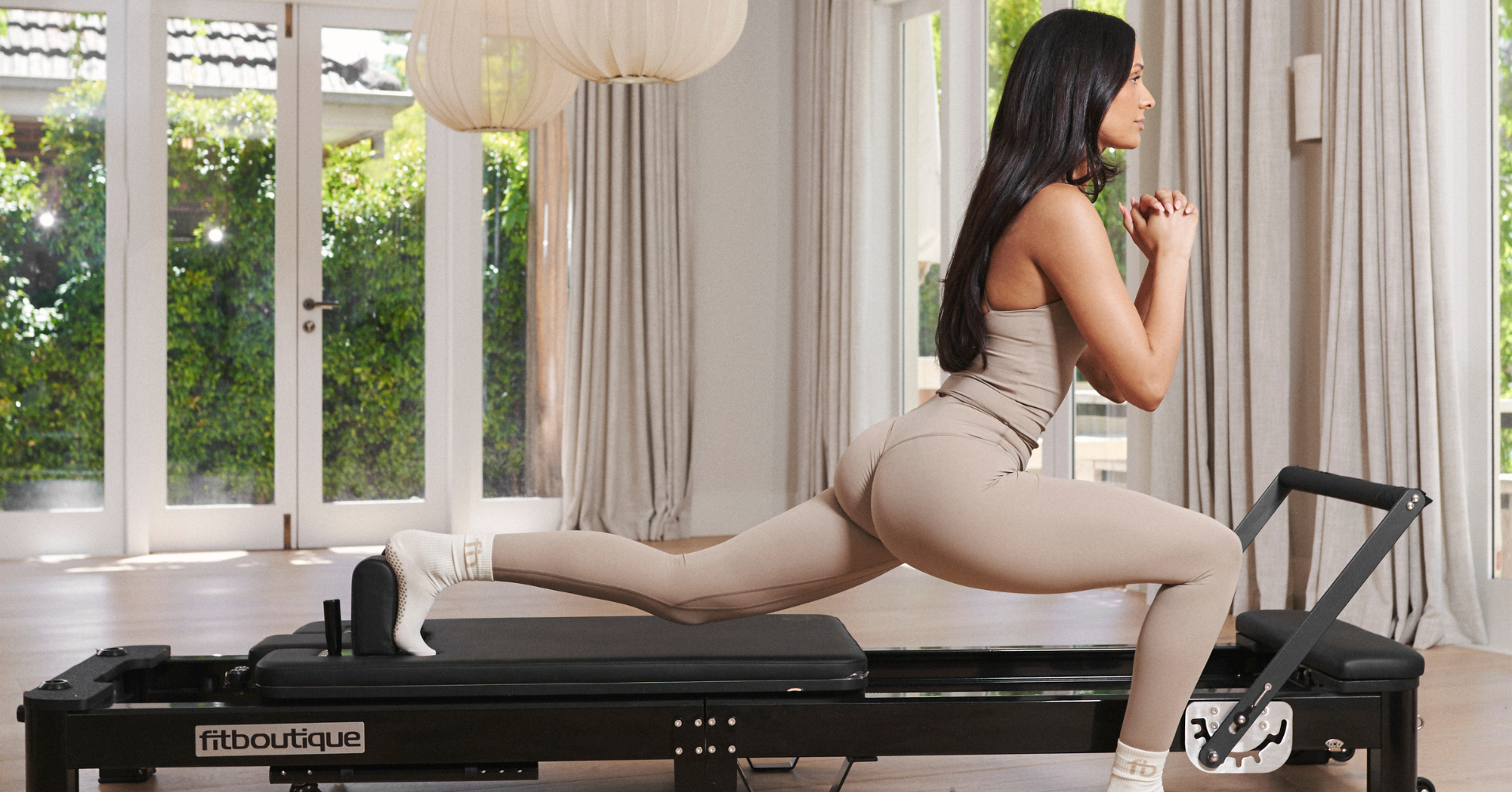
How Regular Pilates Changes Your Body in 12 Weeks
Reformer Pilates has become one of the most talked-about ways to build strength, improve posture, and feel better in your body — without high-impact training. But what actually happens when you commit to regular Reformer Pilates for 12 weeks?
In this case study-style article, we break down realistic, week-by-week changes you can expect when practising Reformer Pilates consistently, whether in a professional studio or a home studio using commercial-grade equipment.
The Starting Point: Week 0
Most people begin Reformer Pilates with a mix of goals:
- Better core strength
- Reduced back or joint pain
- Improved posture
- A toned, balanced physique
- A low-impact but effective workout

At this stage, common challenges include limited core engagement, tight hips and hamstrings, rounded shoulders, and reduced body awareness.
Weeks 1–4: Building the Foundation
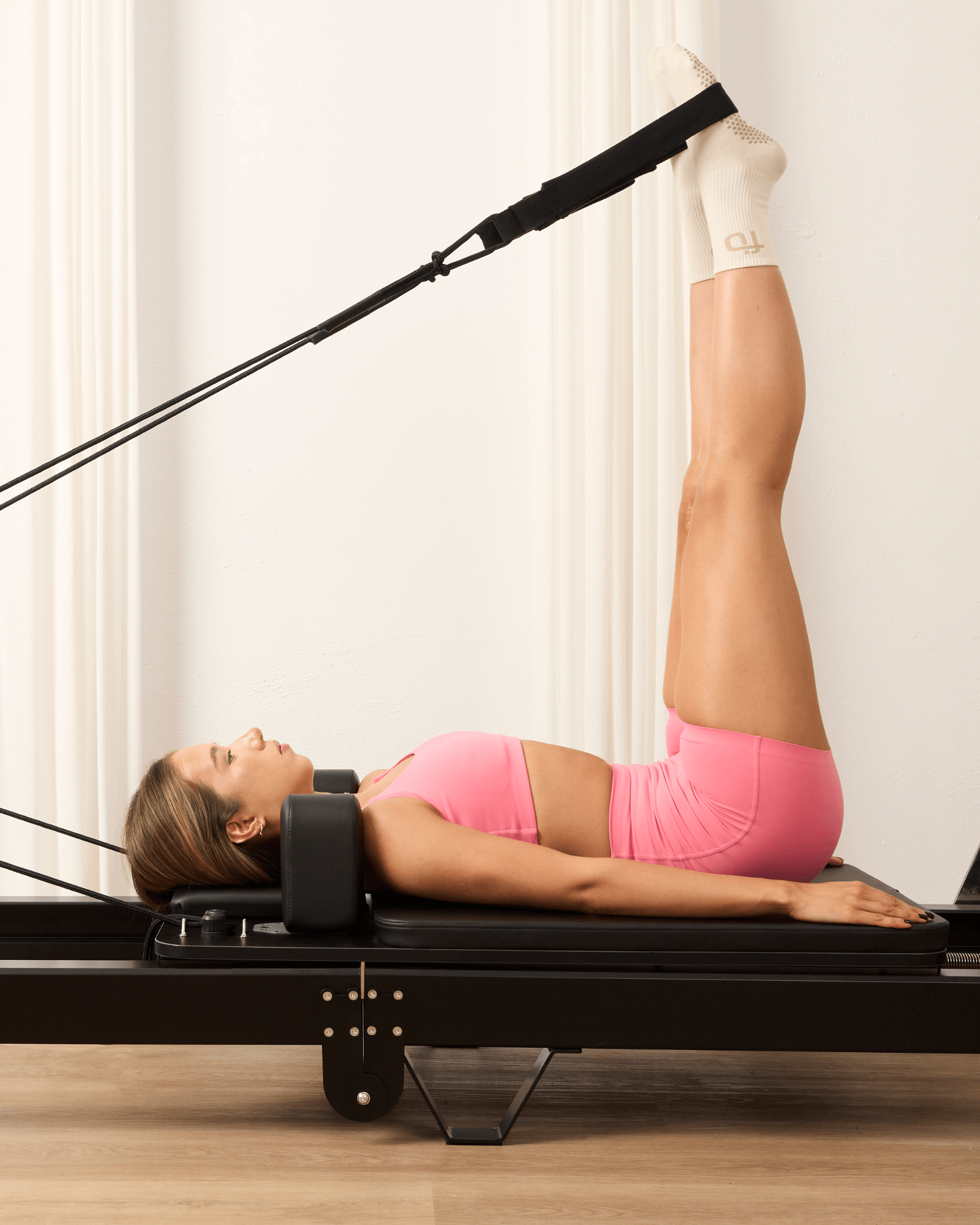
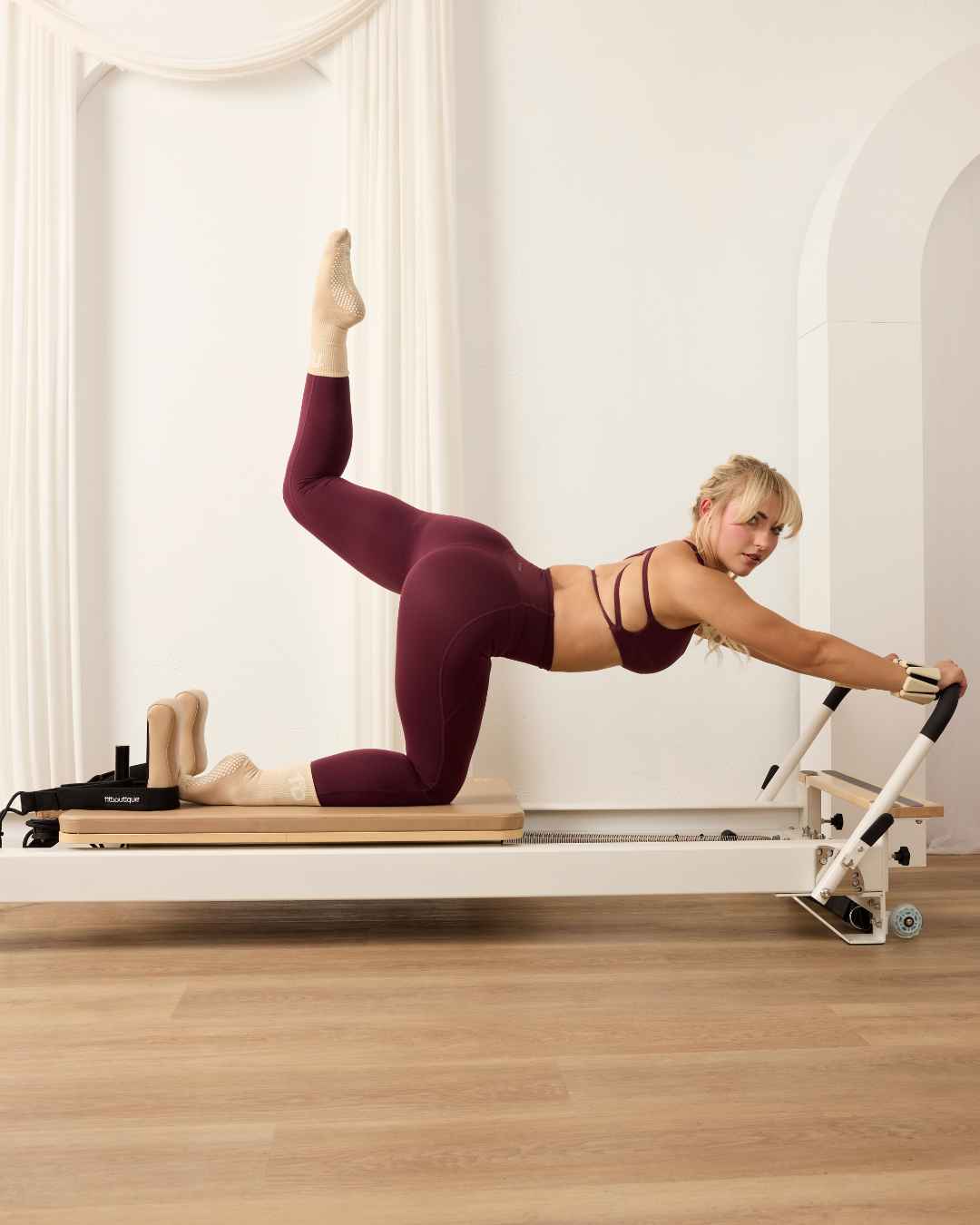
During the first month, the focus is on technique, control, and muscle activation. Under the guidance of a qualified Pilates instructor, clients learn how to move with precision rather than momentum.
- Improved core awareness and engagement
- Increased mobility in the hips, spine, and shoulders
- Reduced stiffness, especially in the lower back
- Better breathing patterns
Weeks 5–8: Strength, Tone, and Stability
By the second month, your body adapts to the reformer’s resistance system. Exercises become more challenging, springs may increase, and transitions feel smoother.
- Stronger and flatter core
- Increased glute and leg strength
- Improved balance and coordination
- Better posture throughout the day

Weeks 9–12: Full-Body Transformation
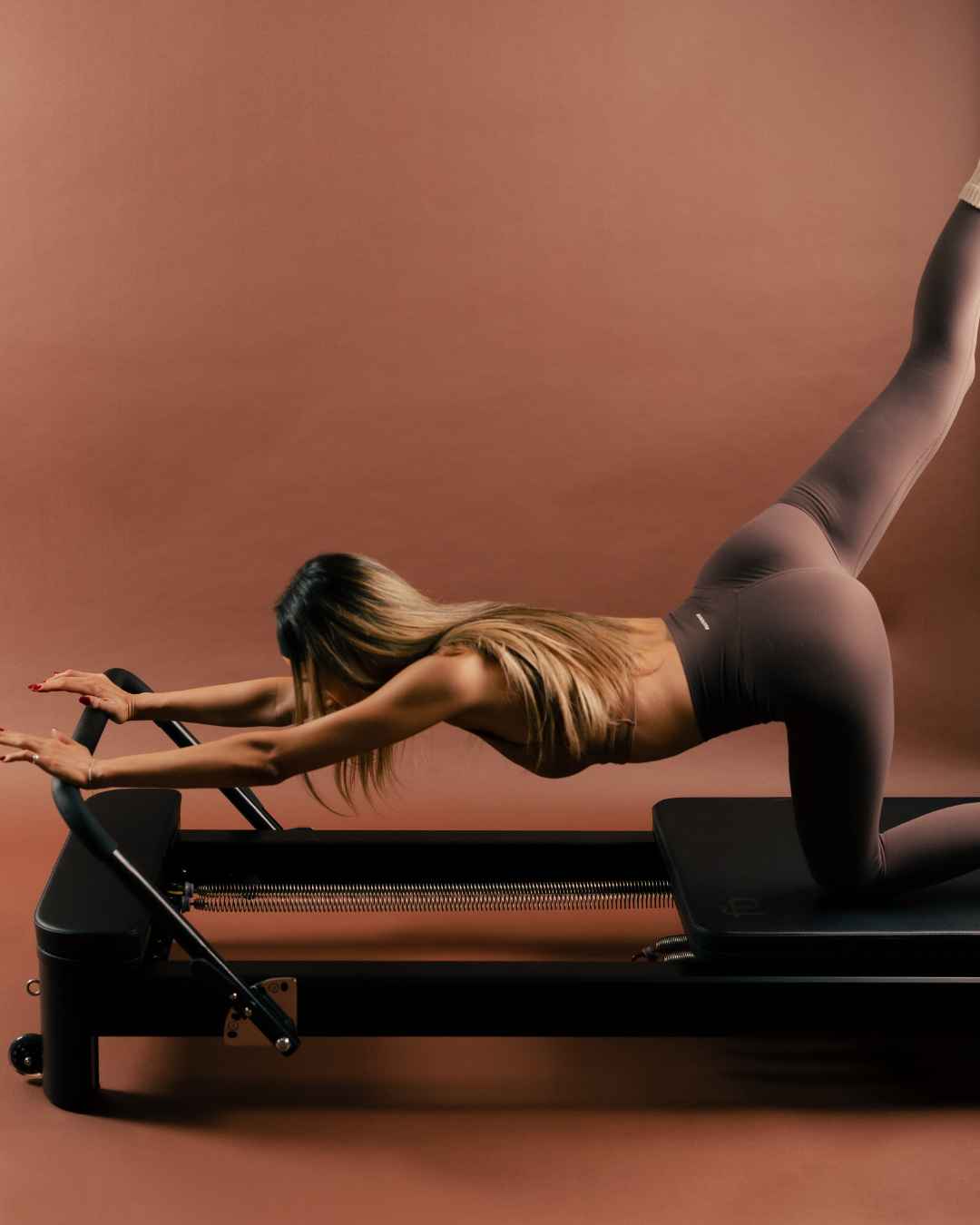
By the final month, the body moves with confidence and control. Exercises that once felt difficult now feel fluid and strong.
- Noticeably improved muscle definition
- Stronger, more supportive core and spine
- Enhanced flexibility without losing strength
- Reduced risk of injury in daily movement
Studio vs Home Studio: Does It Make a Difference?
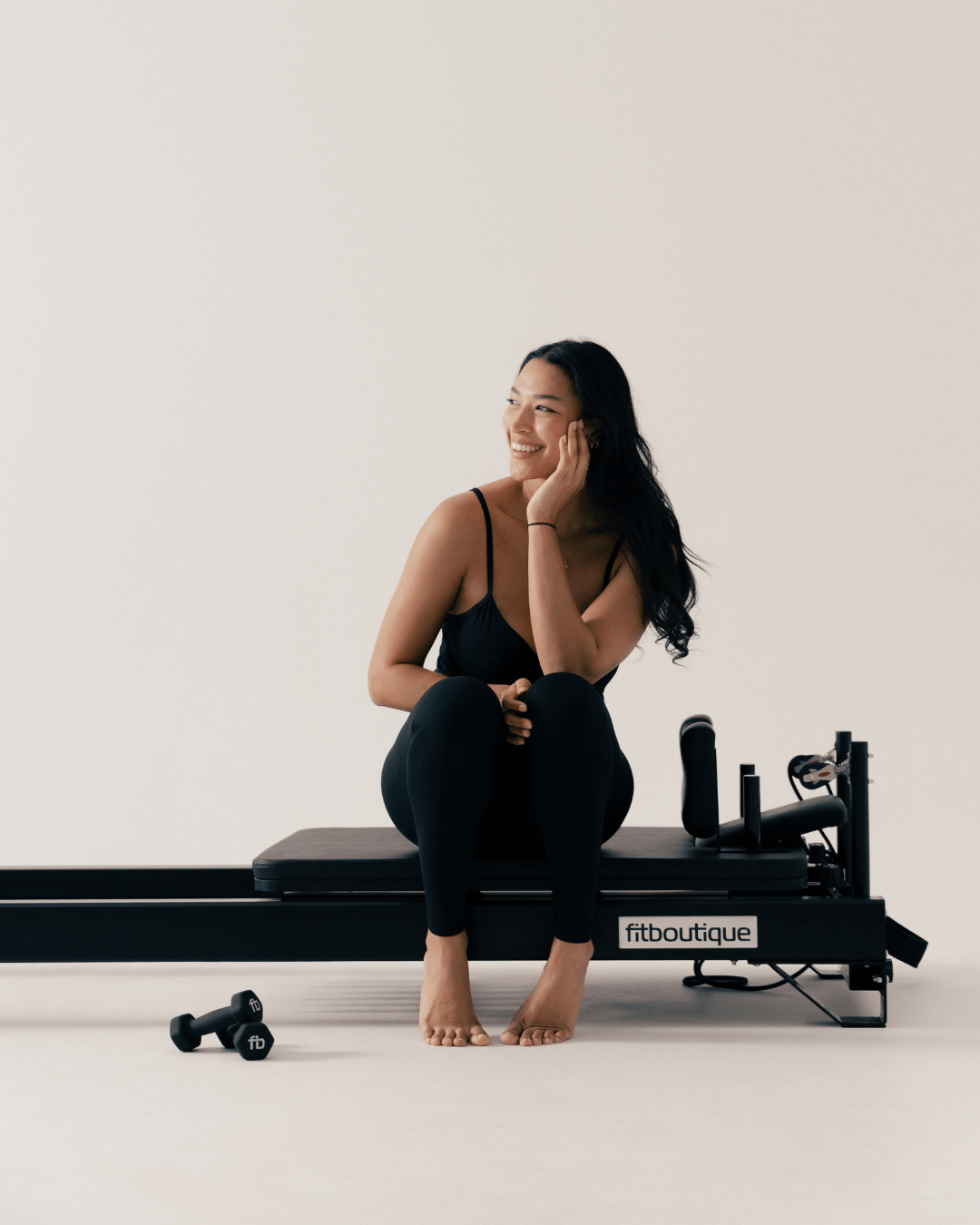
Training in a professional Pilates studio offers hands-on guidance from a Pilates instructor, while a well-equipped home studio provides flexibility and convenience.
Why Equipment Quality Matters
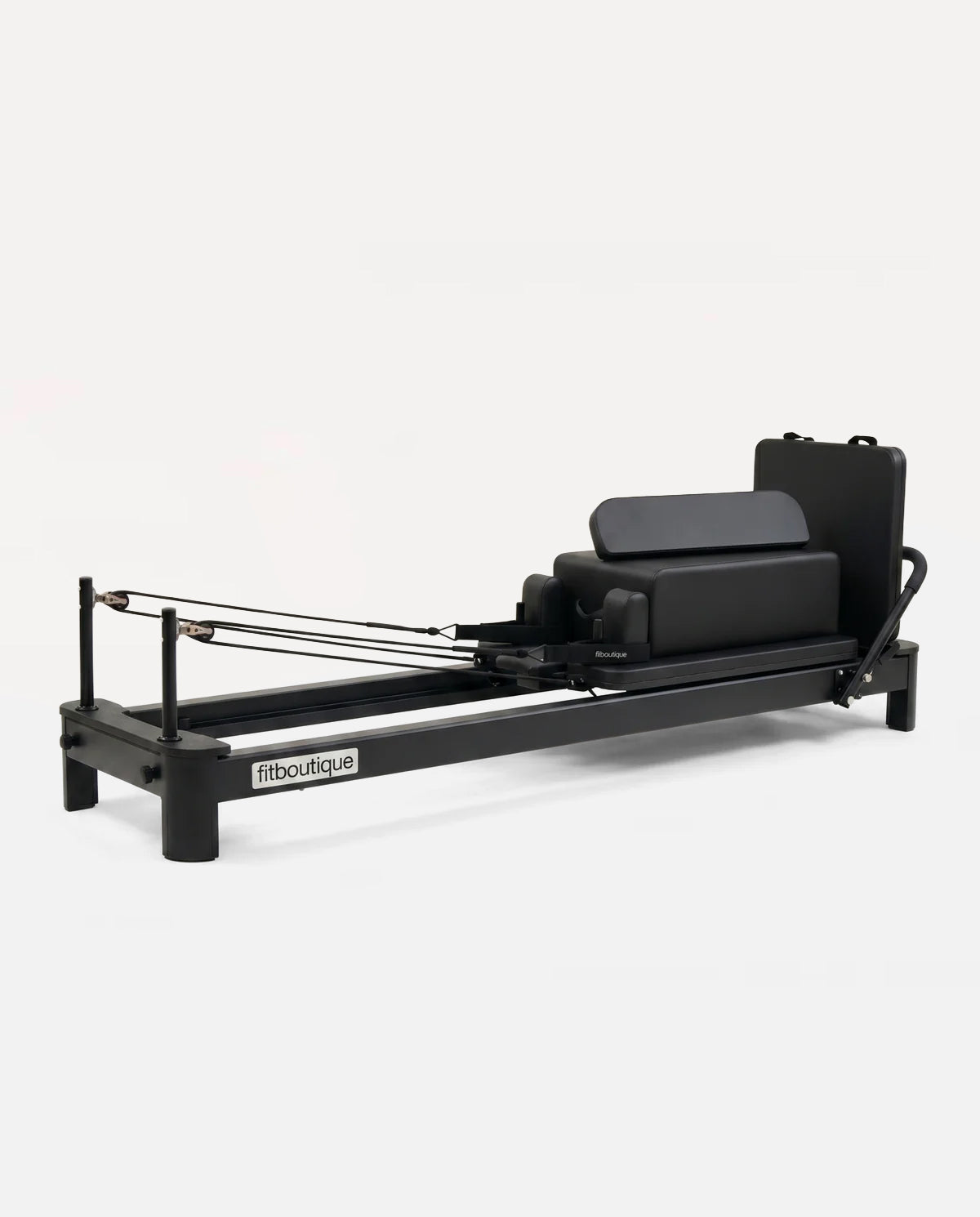
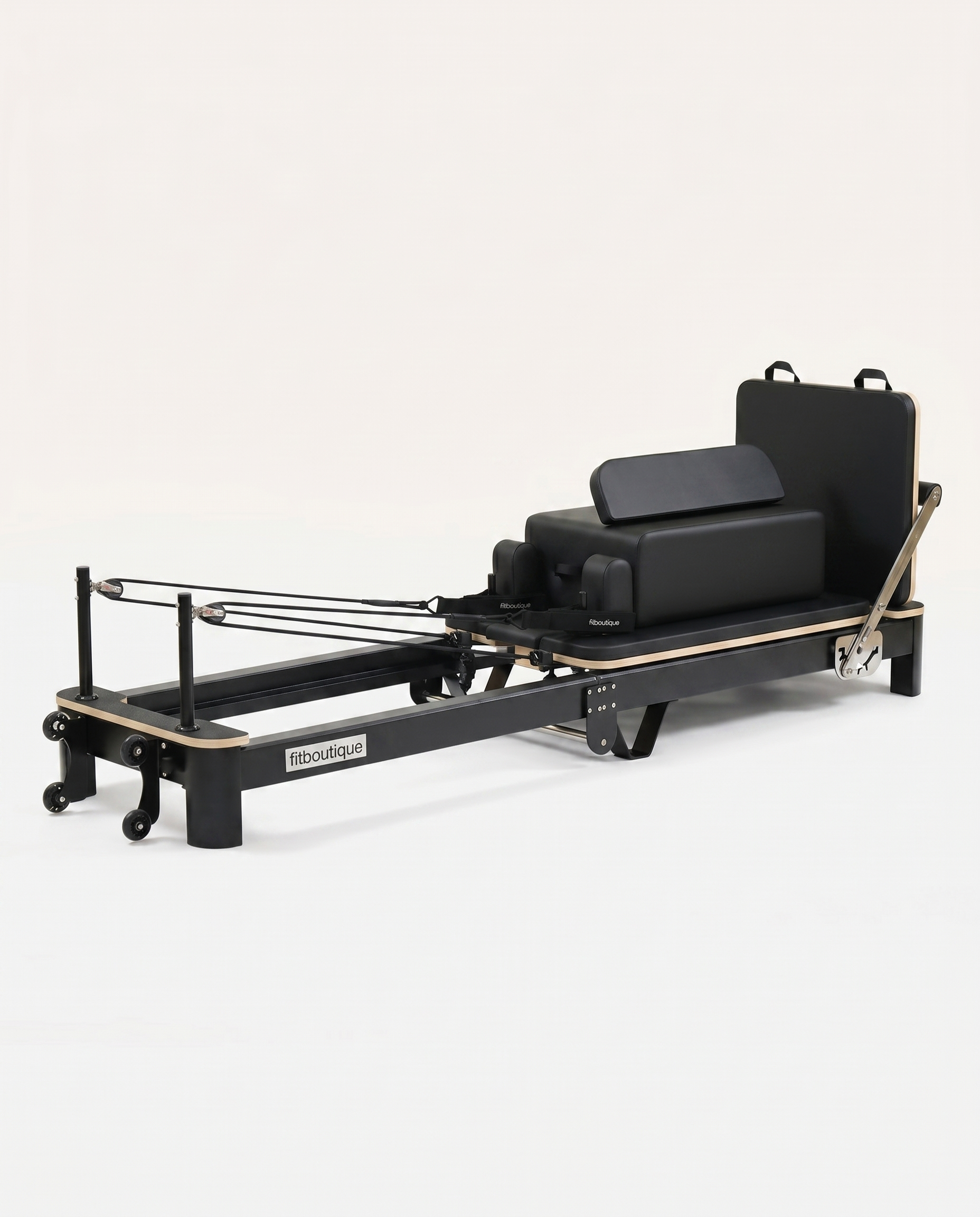
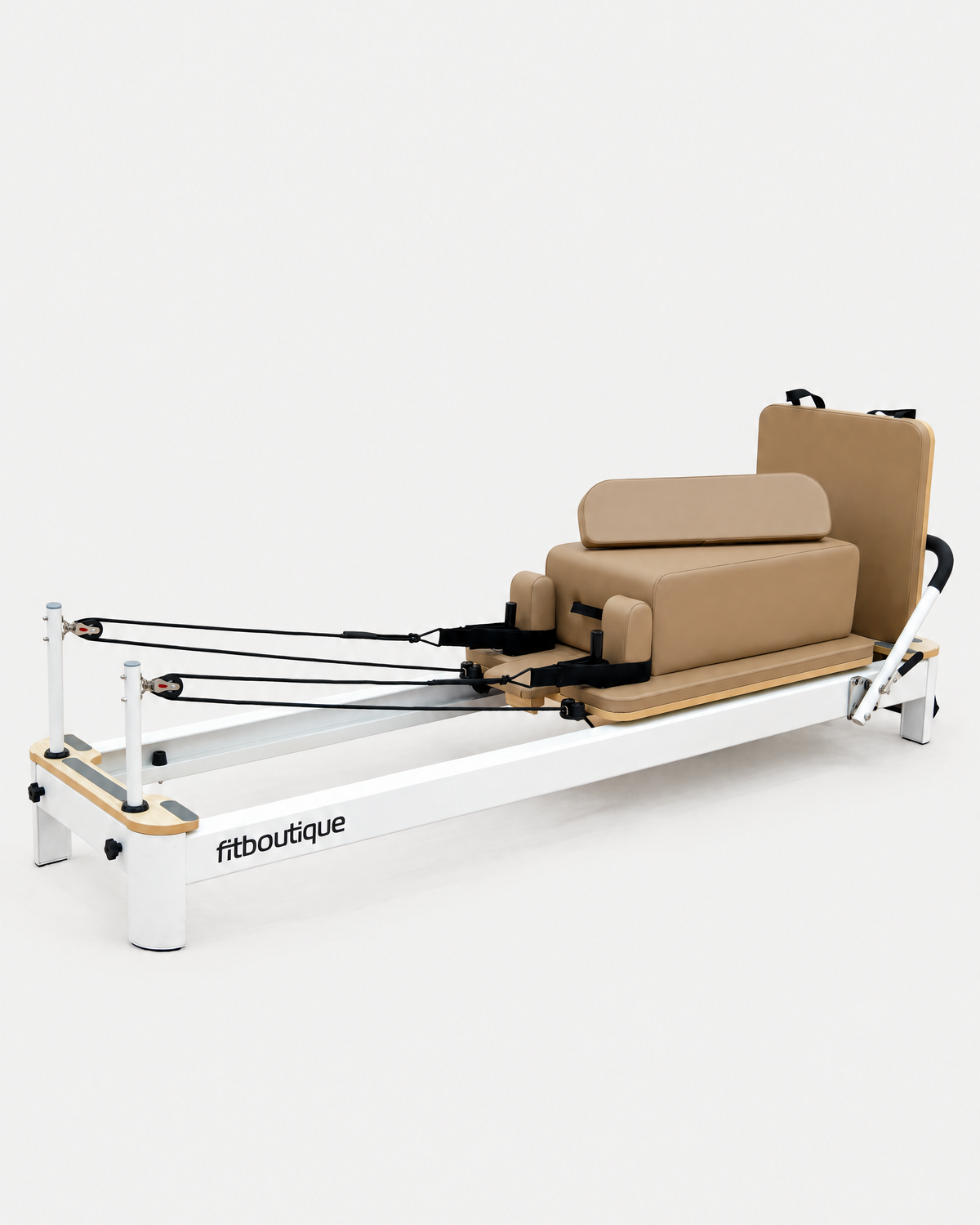
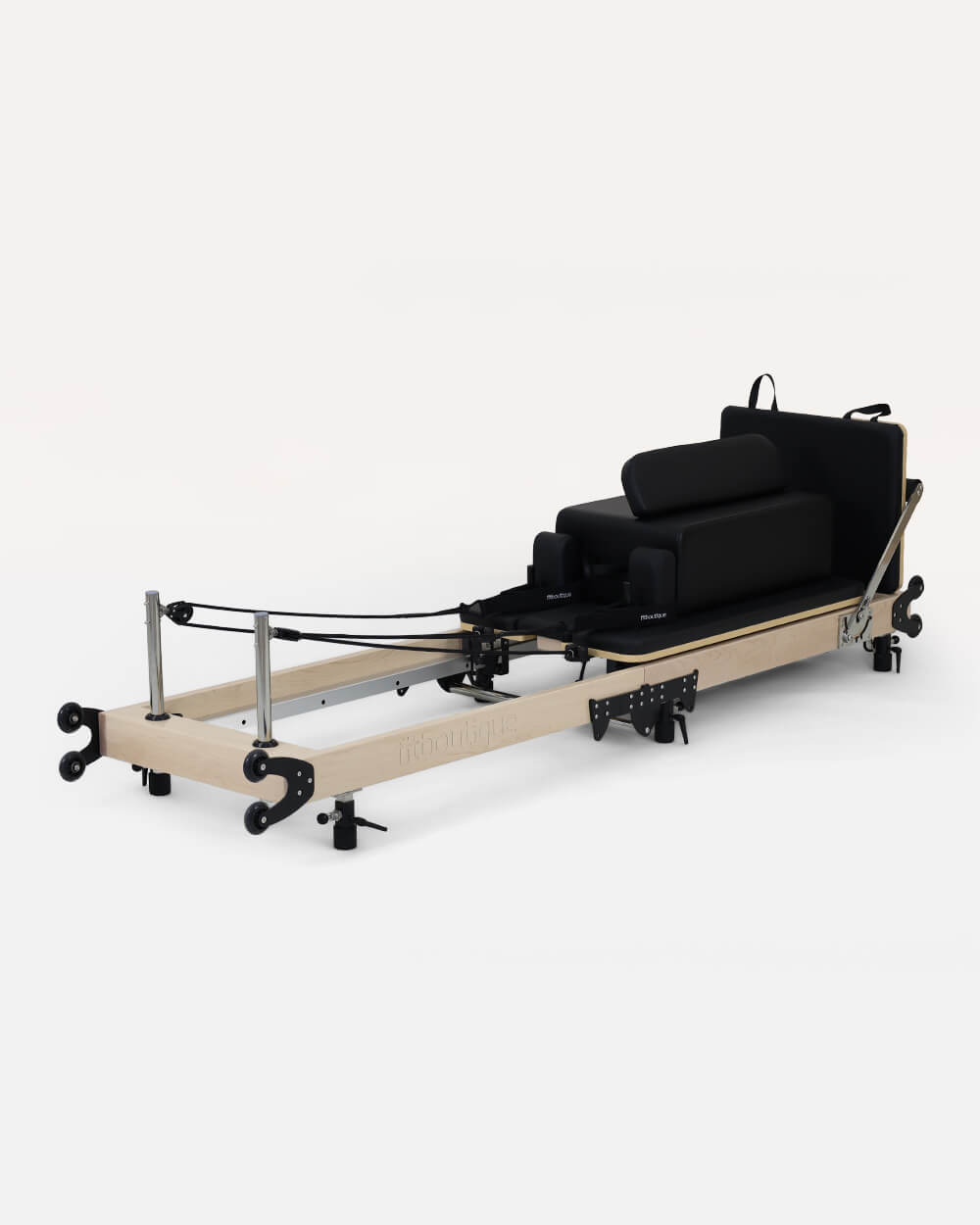
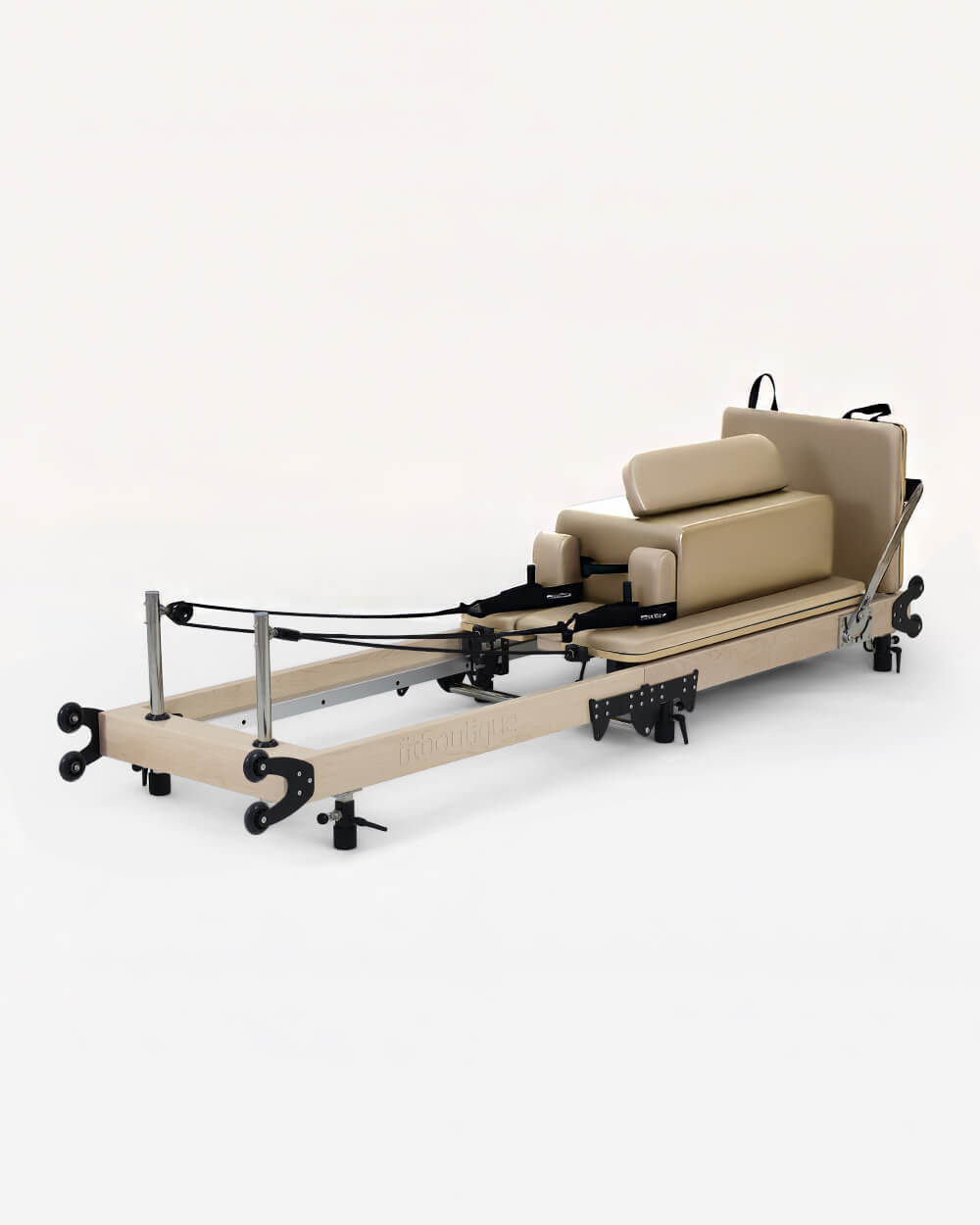
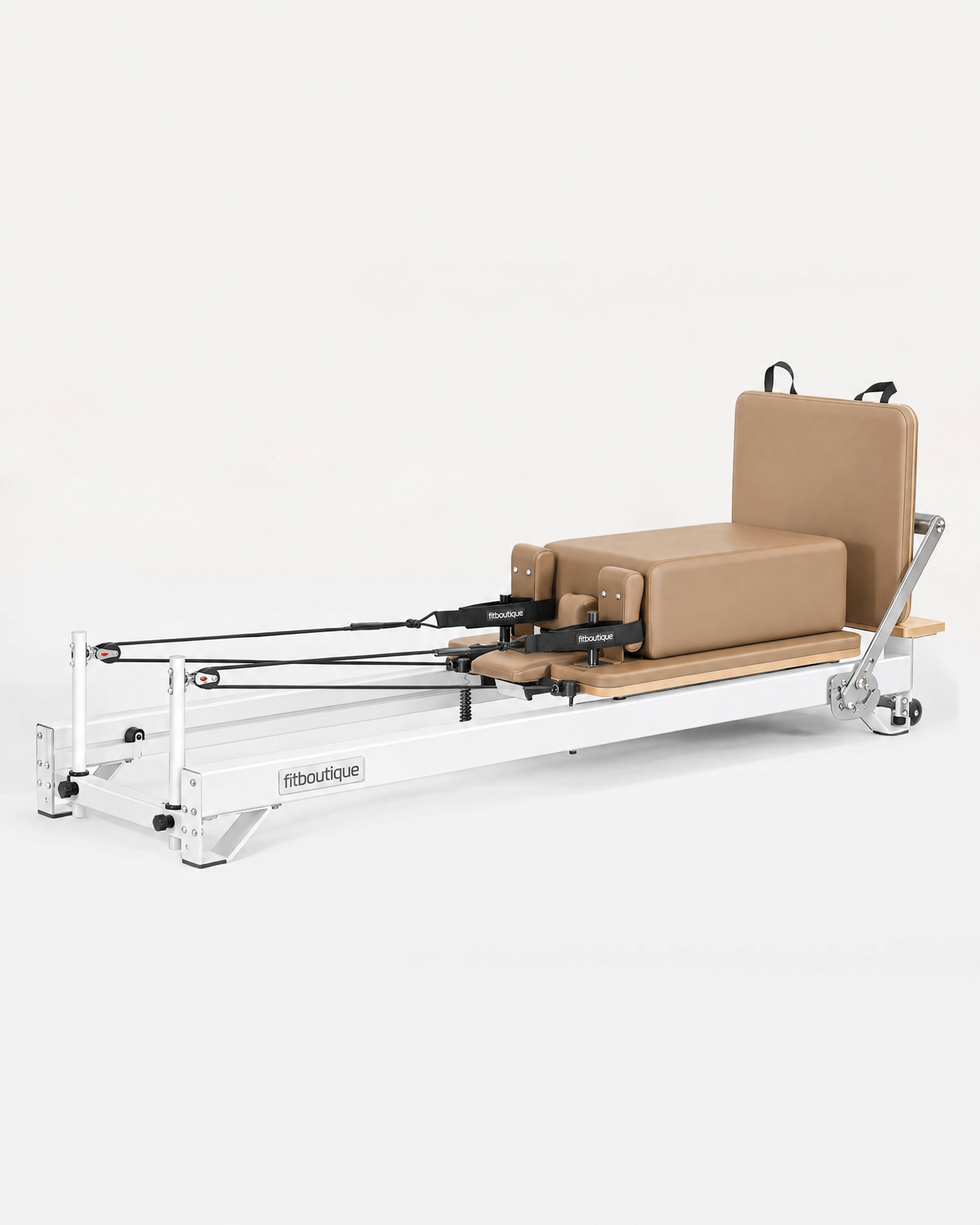
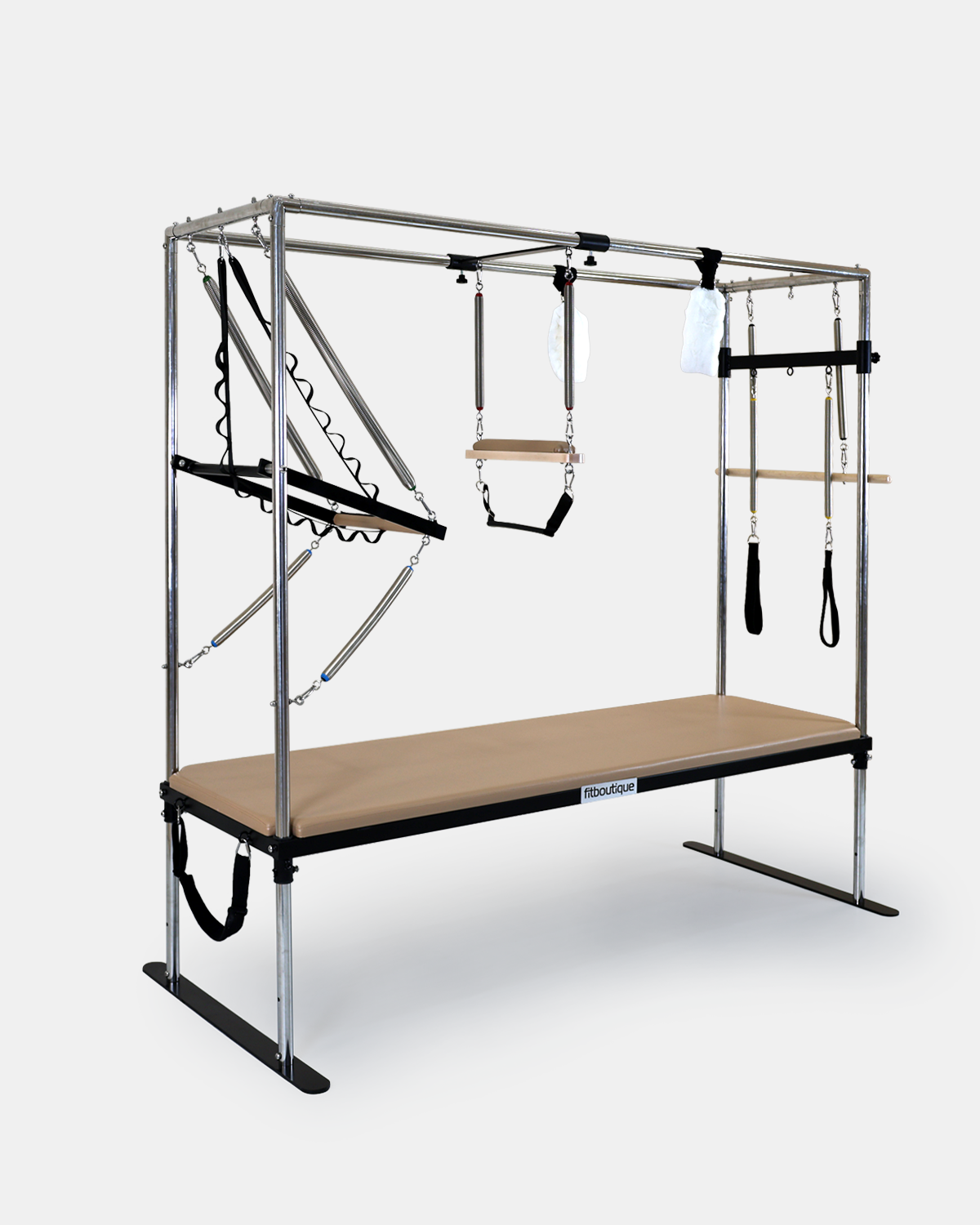
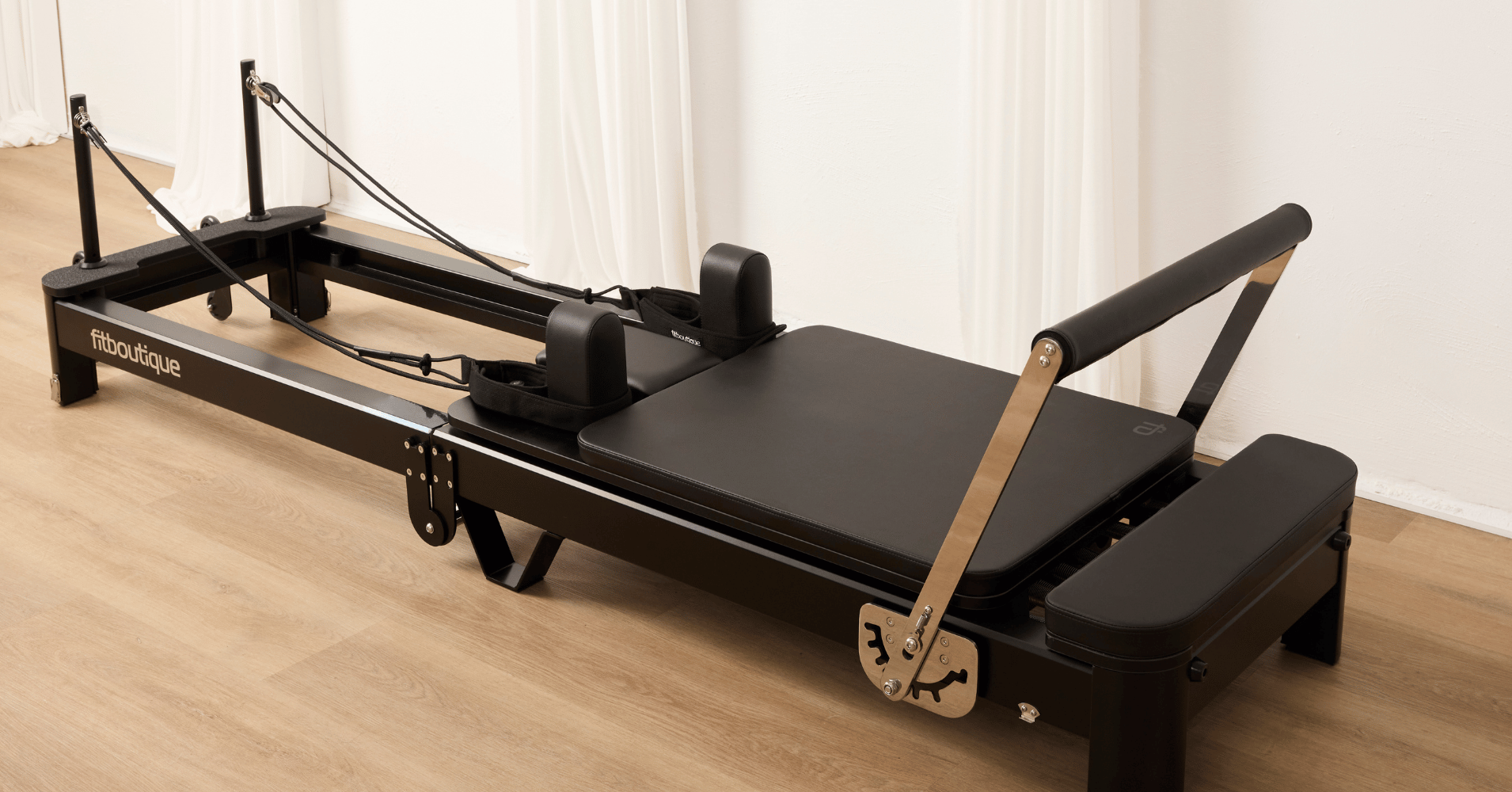
A stable, smooth-moving reformer enhances control, safety, and comfort. Features such as strong frames, quality springs, and supportive straps allow for better muscle engagement and progression over time.
Final Thoughts
Regular Reformer Pilates over 12 weeks doesn’t just change how your body looks — it transforms how it functions. With consistent practice, proper instruction, and reliable equipment, results are both visible and sustainable.

Written by Ayrah Yuso
I'm part of the FitBoutique team and have a solid passion (and love) for all things exercise related, including Reformer Pilates

















Leave a comment