


Reformer Pilates Through Pregnancy and Postpartum: What I Wish I'd Known
When I was pregnant, I had a hundred questions about what movement was still okay, and not many clear answers. Reformer Pilates kept coming up, but always wrapped in vague reassurance. So here's the honest, specific version I wish I'd had, from someone who's been through it. The single most important thing first: pregnancy and postpartum are deeply individual, this is my experience and general information only, not medical advice. Please make your own decisions with your doctor, midwife or a qualified women's health professional.
In this article
Can you do reformer Pilates while pregnant?
For many people with low-risk pregnancies, modified reformer Pilates is something their care team supports, which is why prenatal Pilates is so popular. But that word "modified" is doing a lot of work: exercises are adjusted as your body changes, certain positions and movements are avoided, and the right approach shifts each trimester. There is no one-size answer here. The genuinely correct response to "can I?" is "ask your doctor or midwife, and work with an instructor qualified in prenatal Pilates." If you get that green light, the reformer can be a wonderful way to keep moving.

Why so many turn to the reformer
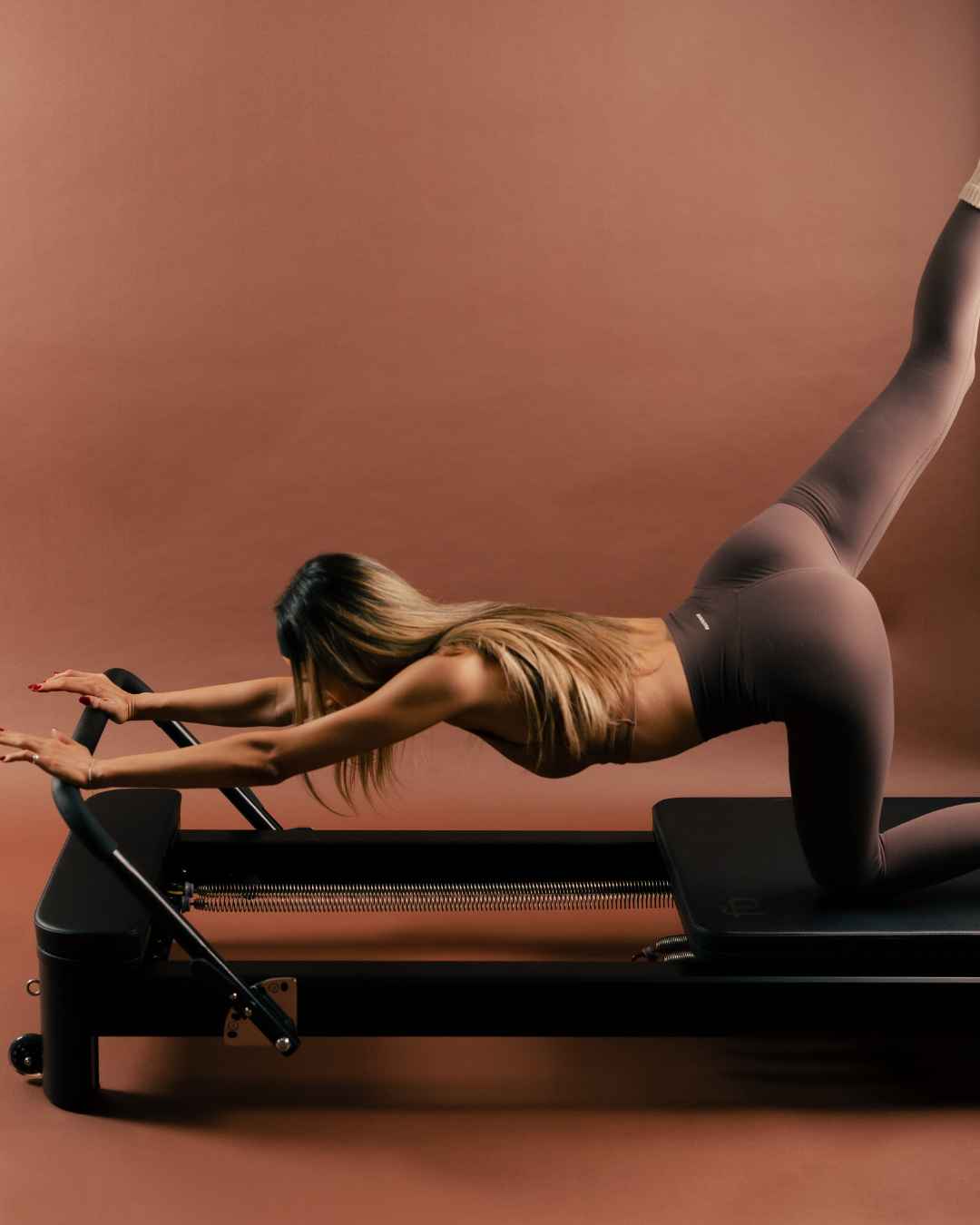
A few reasons it's such a popular choice in pregnancy, when cleared. It's low-impact, so there's no jarring through changing joints. The springs offer support, which is welcome as your centre of gravity shifts. And it has a reputation for gentle core and pelvic floor awareness work, the exact areas so many of us want to look after through pregnancy and recovery. For me it was also about feeling capable and connected to my body during a time when a lot felt out of my control. That mattered more than I expected.
The postpartum return (go slow)
If there's one thing I'd shout from the rooftops: the fourth trimester is not the time to rush back. Your body has done something enormous, and returning to exercise too fast helps no one. The standard guidance is to wait for your postnatal check and clearance (often around six weeks, longer after a caesarean), and then rebuild gently, with real attention to your core and pelvic floor. A professional who understands postpartum recovery is worth their weight in gold here. The reformer's gentleness makes it a lovely way to ease back, once you're cleared, precisely because you can start so light.
Training at home when classes are hard to reach
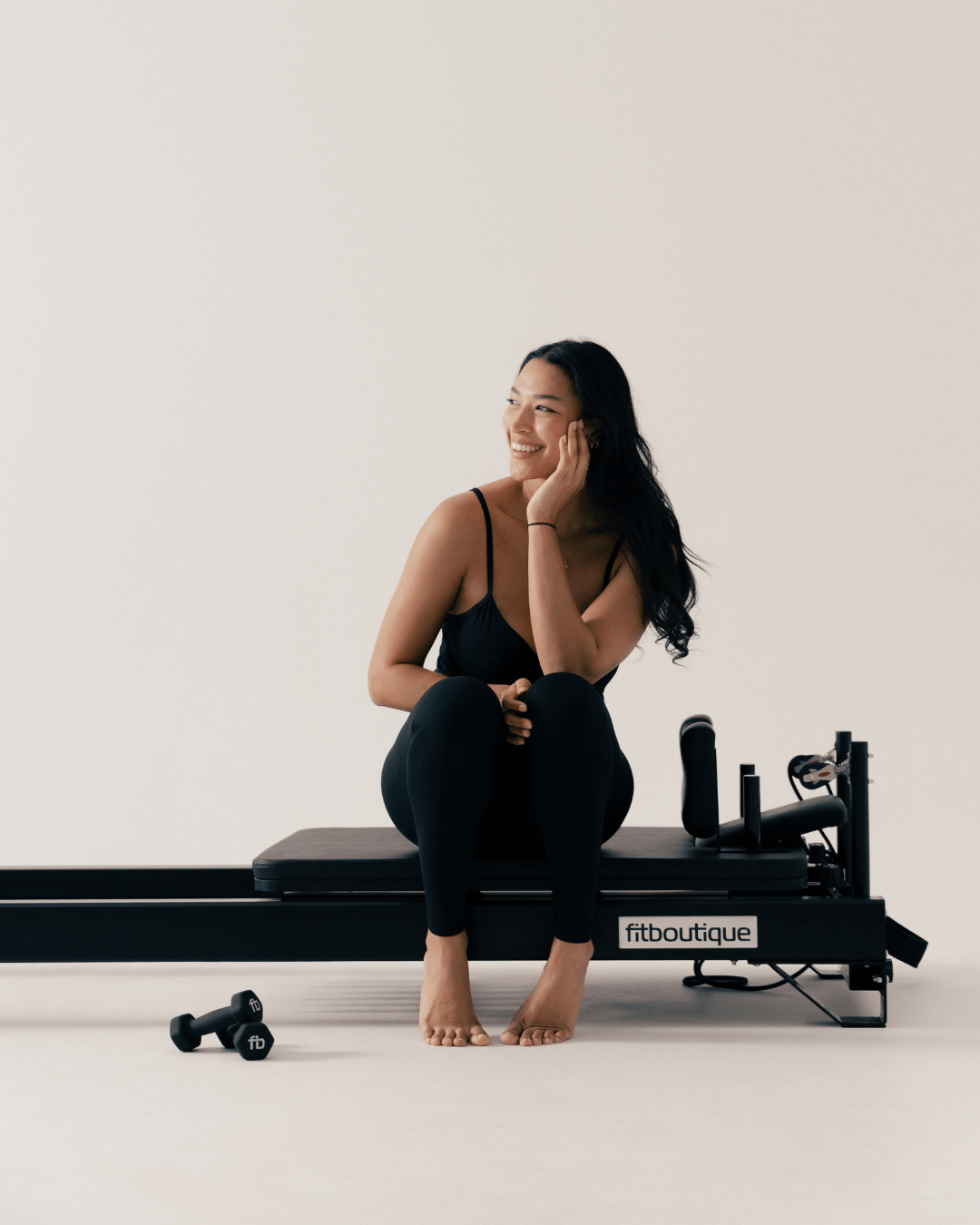
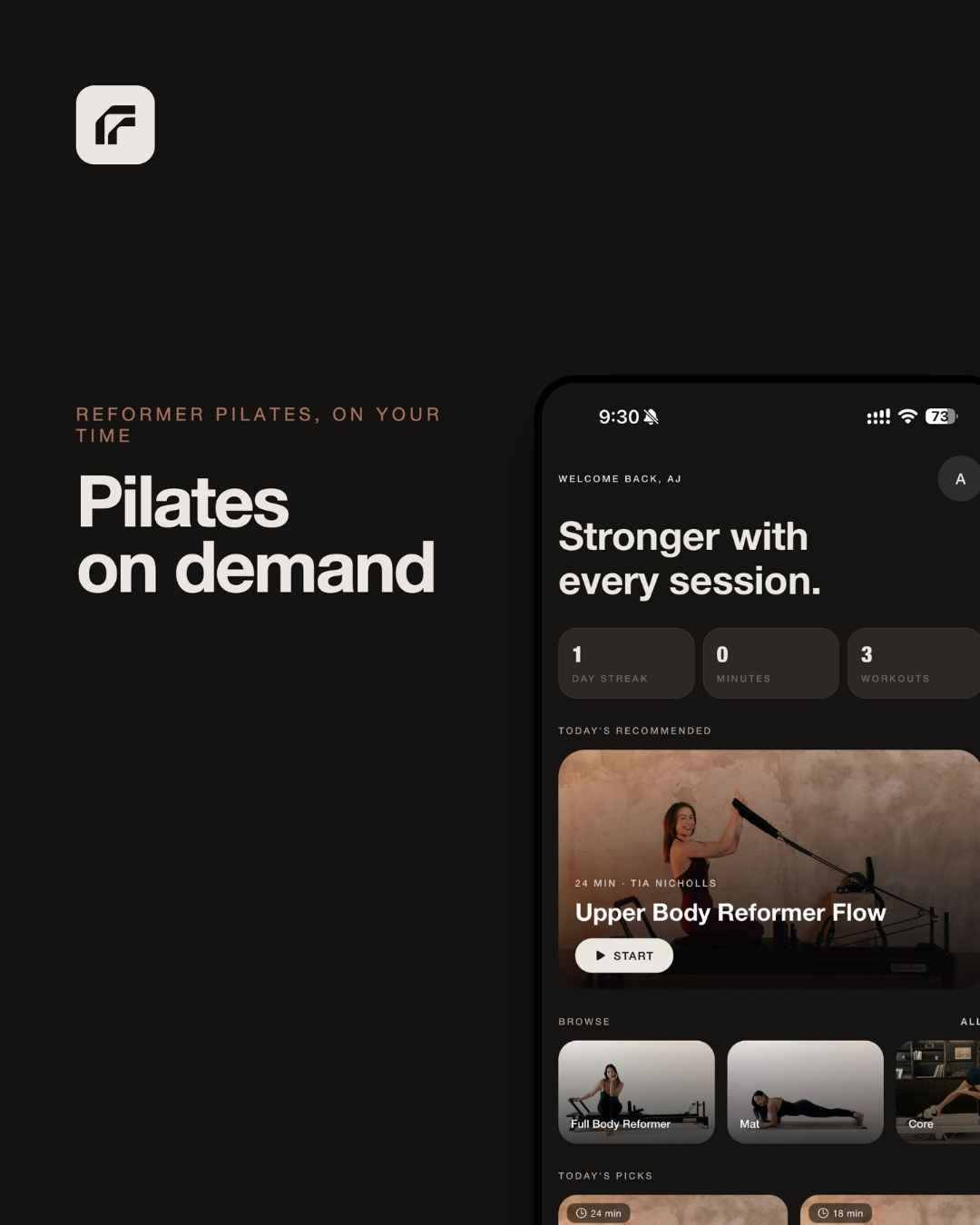
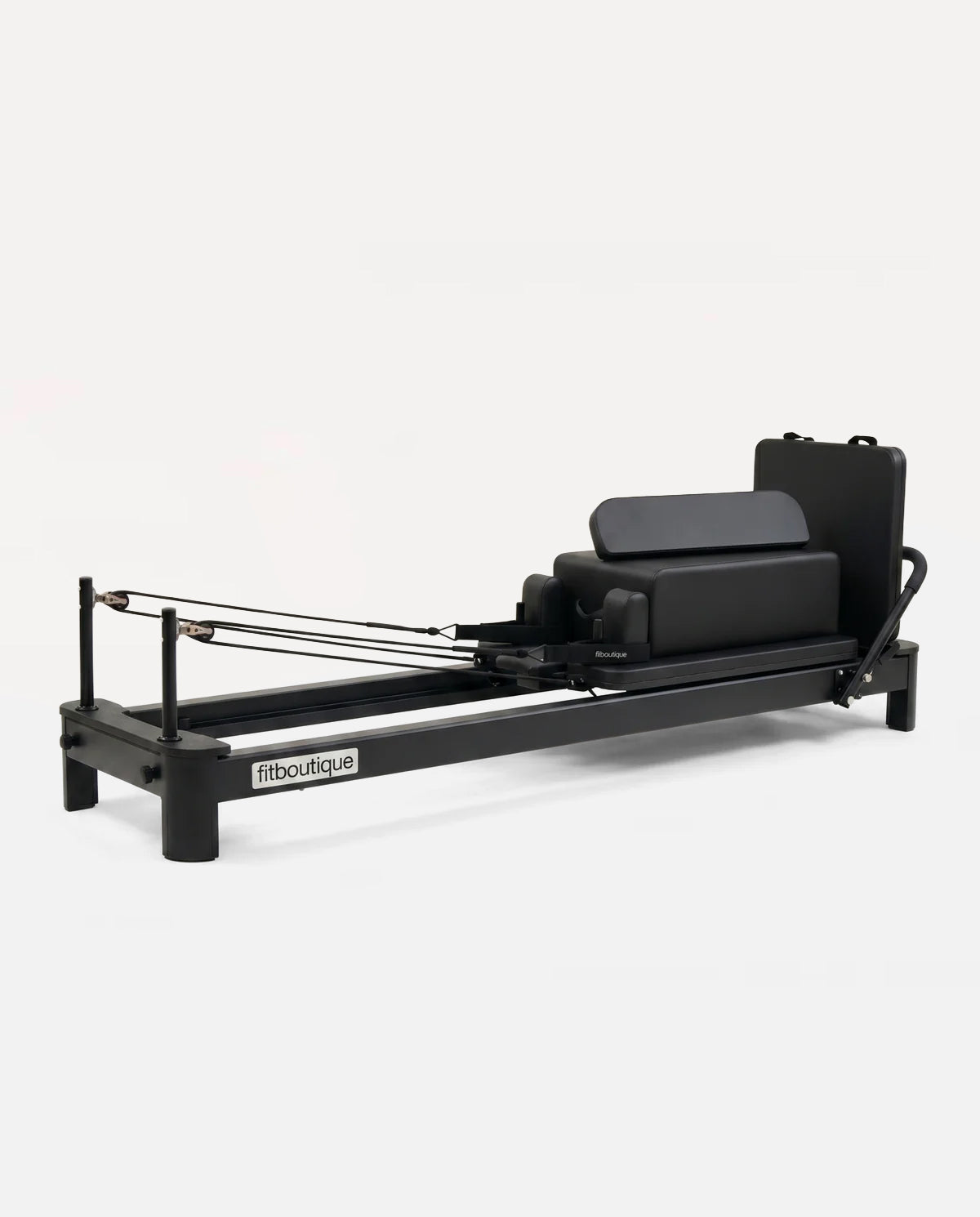
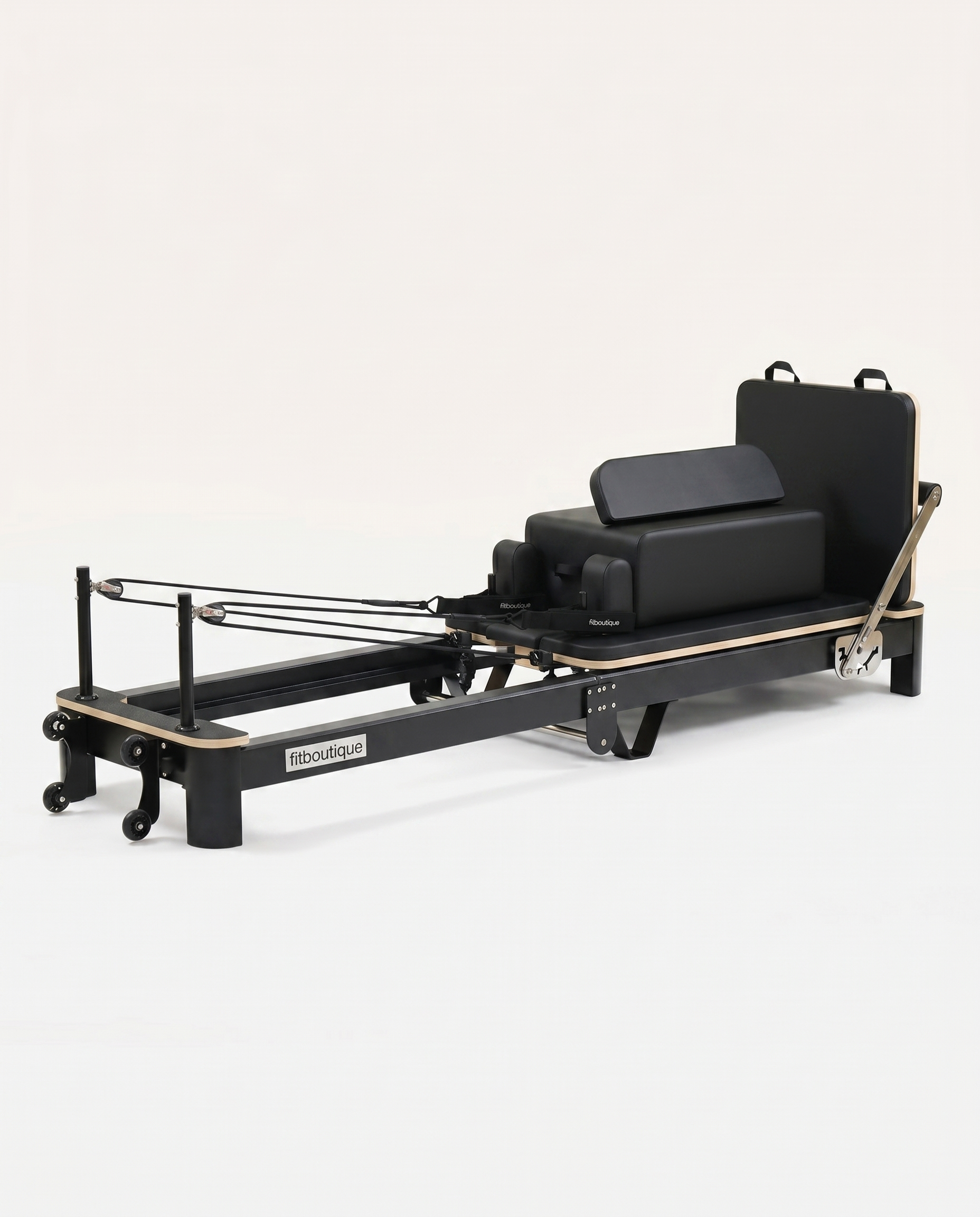
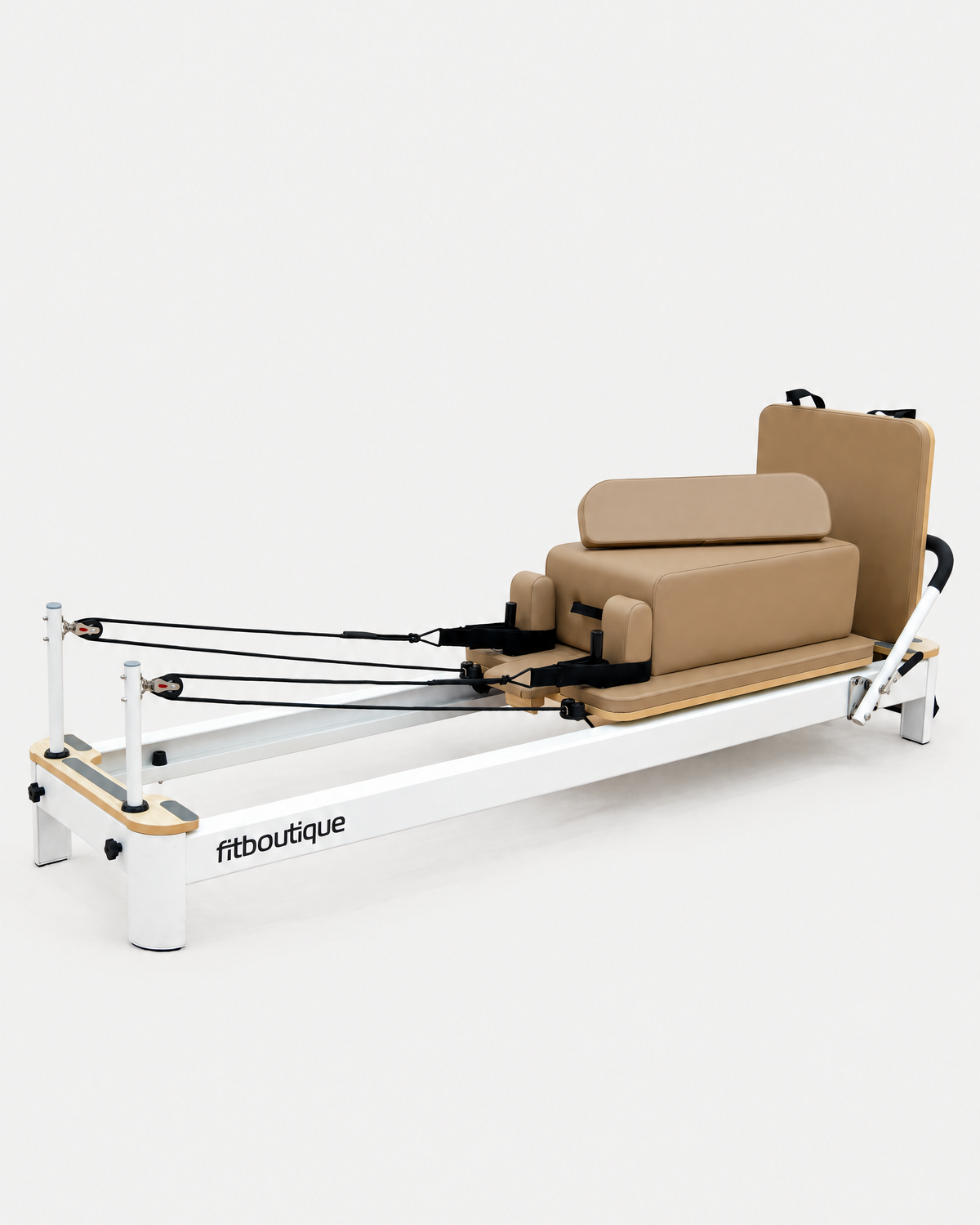
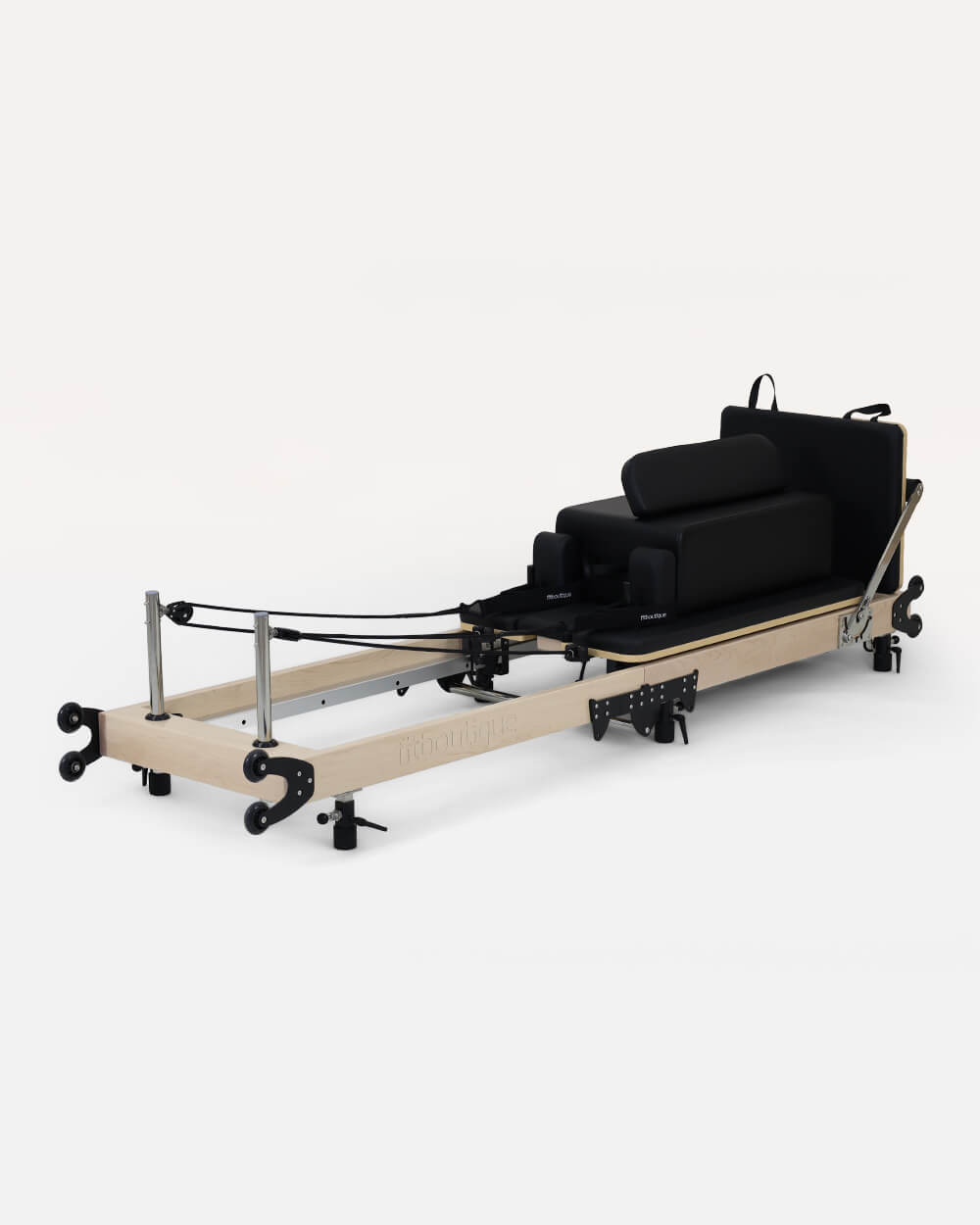
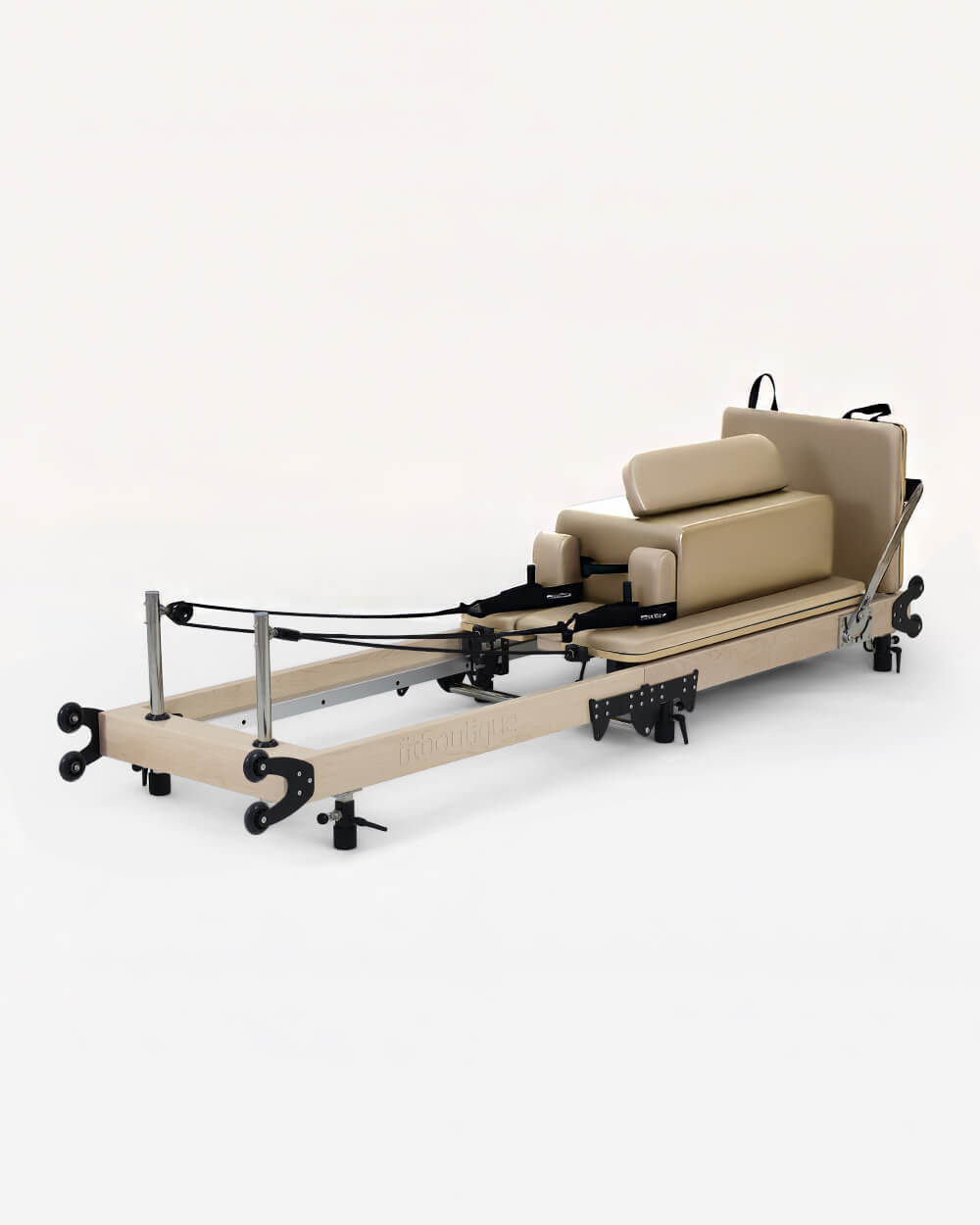
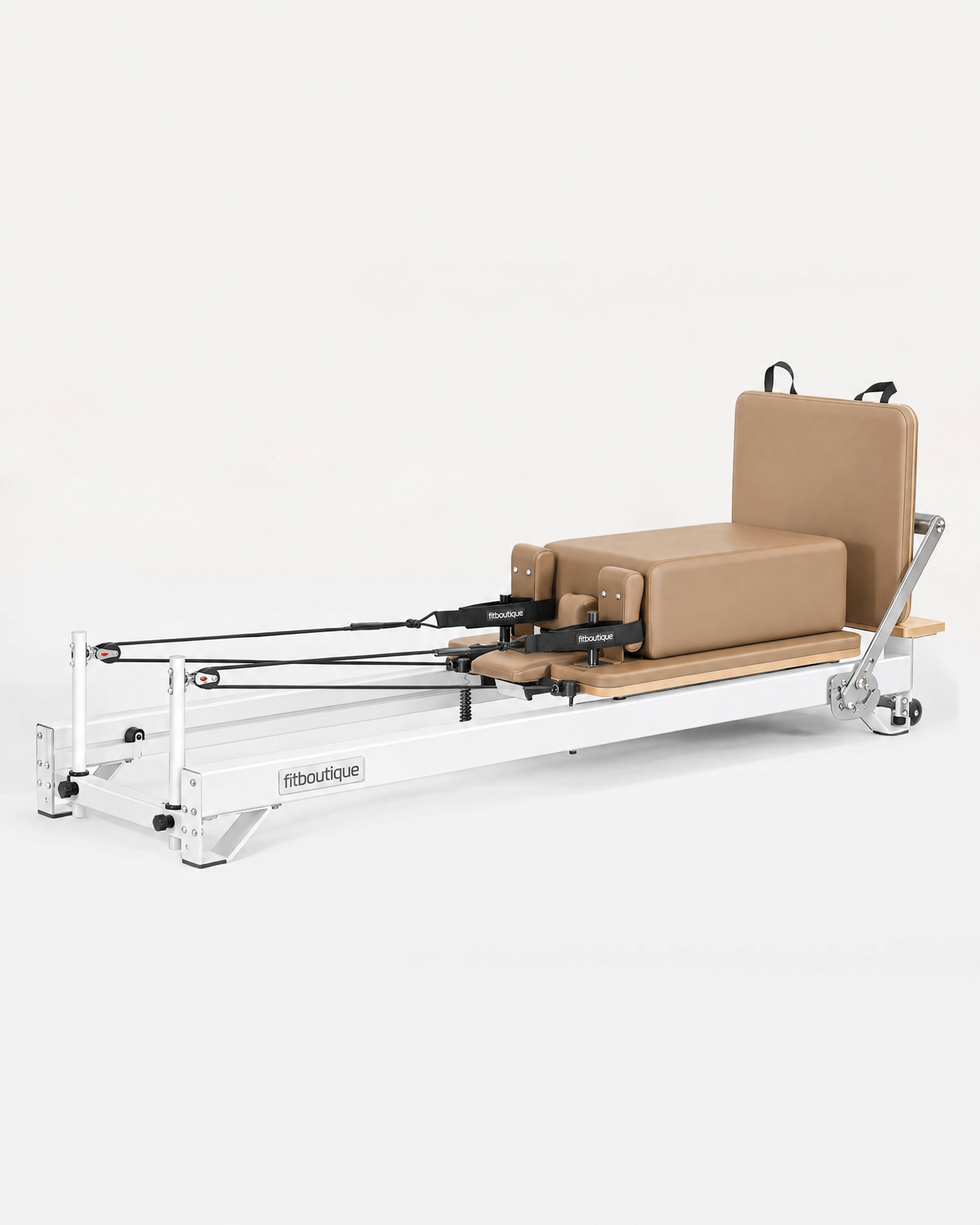
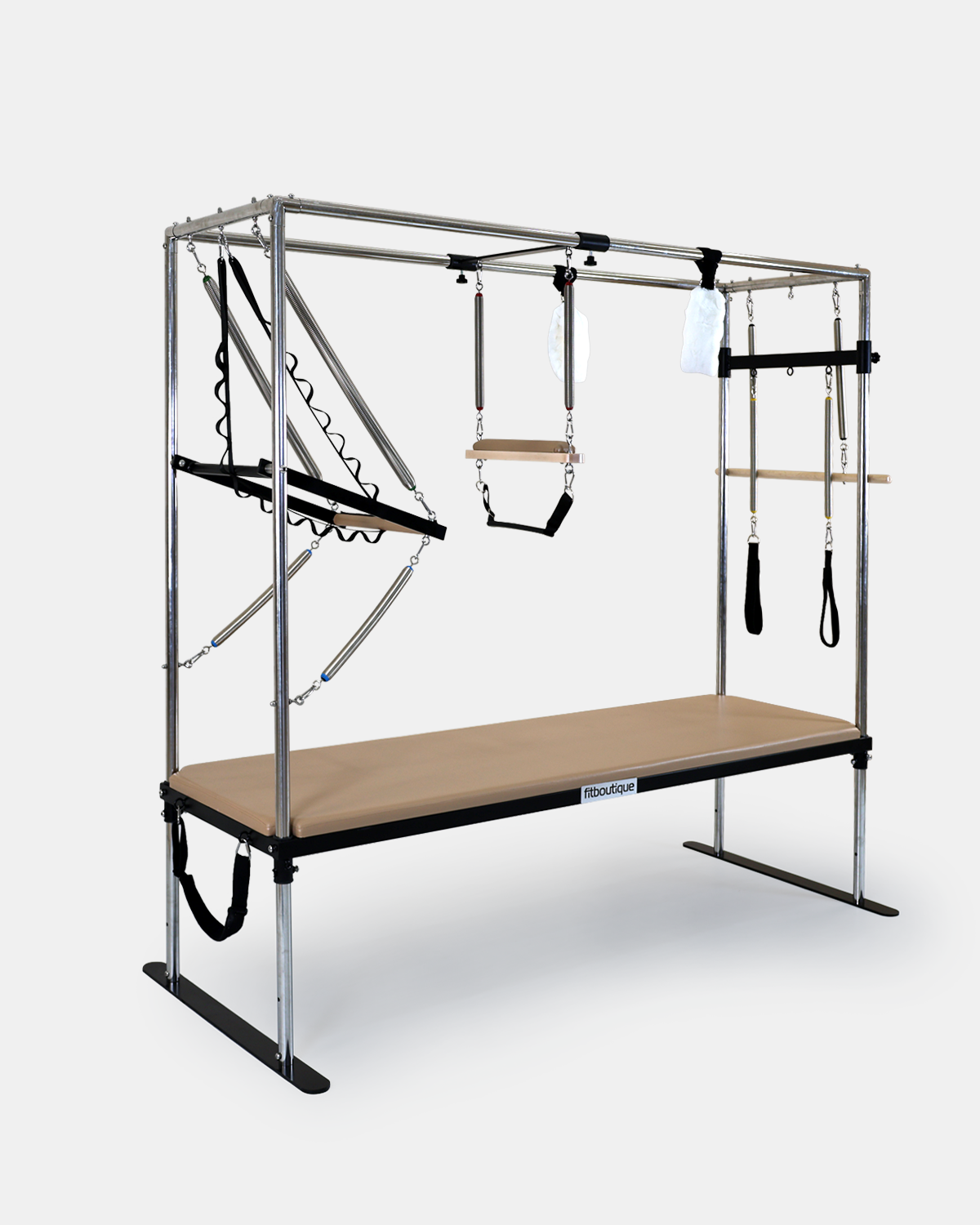
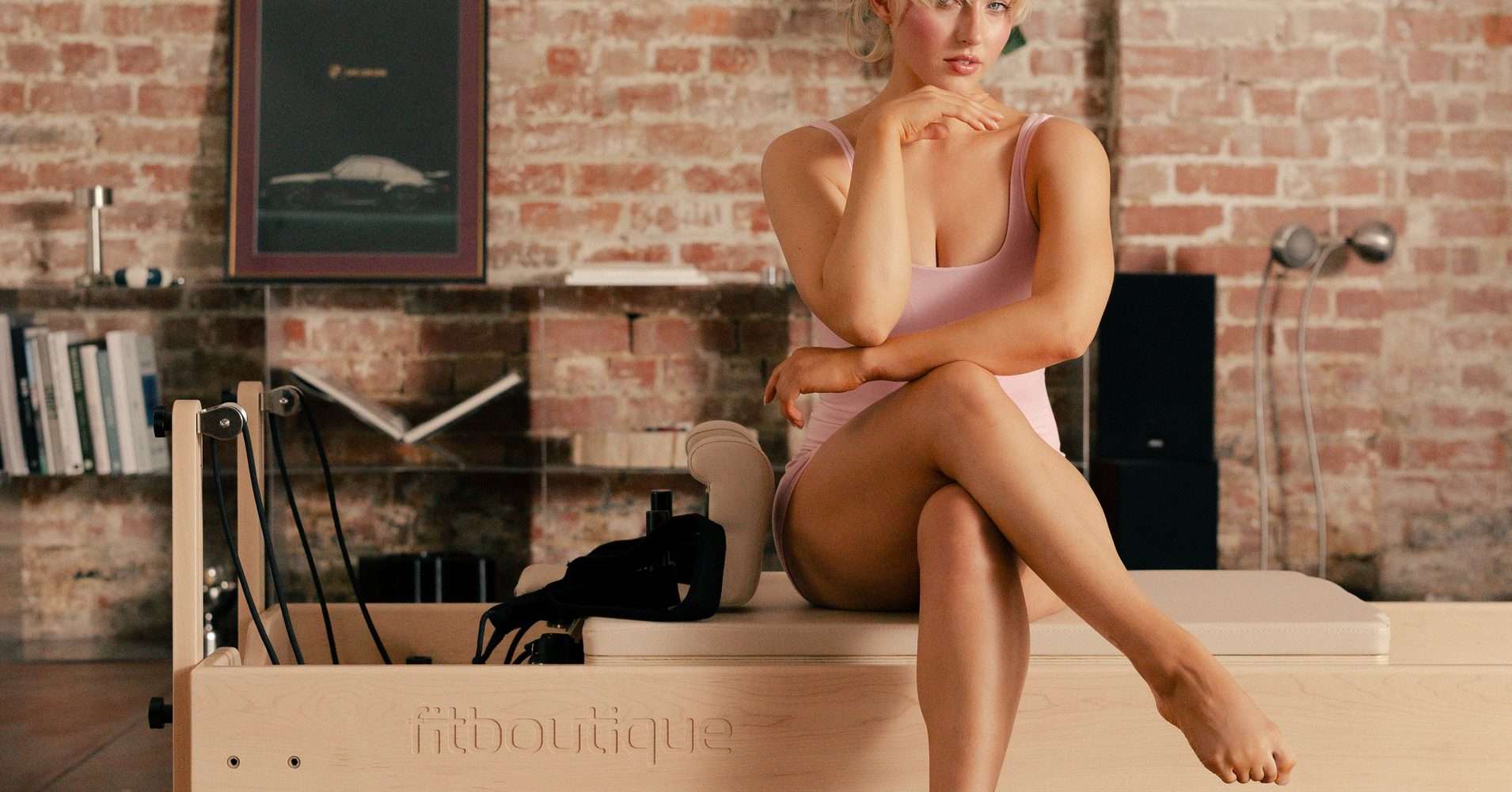
Here's where a home reformer genuinely shines for new parents: getting to a studio with a newborn is its own Olympic event. Being able to do a short, gentle, cleared session at home, during a nap, in your own space, removes an enormous barrier. Every FitBoutique reformer ships fully assembled with a jumpboard, box and yoga starter kit included, and a foldable model tucks away between sessions. Pair it with prenatal or postnatal-appropriate guided classes (our Fit by FitBoutique on-demand app is launching very soon) and you've removed most of the reasons it's hard to keep moving.

My non-negotiables
Three, and I won't budge on them. One: get clearance from your doctor or midwife, both during pregnancy and before returning postpartum. Two: work with an instructor qualified in prenatal and postnatal Pilates, this is not the season for guessing or pushing through. Three: listen to your body louder than any plan, if something feels off, stop. Done within those guardrails, reformer Pilates was one of the kindest things I did for myself across pregnancy and recovery. Within them is the whole point.
Frequently Asked Questions
Can you do reformer Pilates while pregnant?
For many low-risk pregnancies, modified reformer Pilates is supported by care teams, which is why prenatal Pilates is popular. It must be adjusted as your body changes and varies by trimester. Always get clearance from your doctor or midwife and work with a prenatal-qualified instructor. This is general information, not medical advice.
When can I return to reformer Pilates after birth?
Wait for your postnatal check and clearance, often around six weeks and longer after a caesarean, then rebuild gently with attention to your core and pelvic floor. A professional who understands postpartum recovery should guide your return.
Why is the reformer popular in pregnancy?
When cleared, it's low-impact with no jarring, the springs offer support as your centre of gravity shifts, and it suits gentle core and pelvic floor awareness work. Many people also value feeling strong and connected to their body during this time.
Is a home reformer practical with a newborn?
Very. It removes the hardest barrier, getting to a studio, by letting you do short, gentle, cleared sessions at home during a nap. A foldable model packs away, and guided classes mean you don't have to plan the session yourself.
Move Gently, On Your Schedule
A supportive, low-impact reformer for home, with free Australia-wide delivery and a 5-year warranty. Always train with professional clearance.
Shop the Reformer Range
Written by Ayrah Yuso
I'm part of the FitBoutique team and have a solid passion (and love) for all things exercise related, including Reformer Pilates

















Leave a comment