


Reformer Pilates Sydney
Reformer Pilates in Sydney costs more than anywhere else in the country, and the gap is not small. Group Pilates classes in Sydney run from about $30 to $85, against $25 to $60 in Melbourne and $20 to $40 in Brisbane, according to the 2026 Australian cost data published by Airtasker.
So this is the Sydney specific version. What you will actually pay, how the pricing models differ, which parts of the city have what, and the point at which the maths stops favouring a membership.
In this article
What reformer Pilates costs in Sydney
Here are the national figures from the 2026 Airtasker cost guide, which is the most recent broad dataset published for Australia.
Casual single class. $30 to $50 for a reformer session nationally. In Sydney the top of the group class range stretches to $85, and the CBD sits at the upper end of whatever bracket you are looking at.
Ten class pack. $175 to $400, which is a very wide band. The difference is almost entirely expiry. A cheap pack with a 2 month expiry is not cheaper than an expensive pack with a 6 month expiry if you only use 7 of them.
Weekly membership. $28 to $49 a week for the capped plans, higher for unlimited in premium studios.
Private session. $80 to $150 and up in Sydney.
Prices move, studios run introductory offers, and the figures above are a guide rather than a quote. Check the studio directly before you commit to anything.
The 4 pricing models
Sydney studios sell the same product 4 ways, and the right one depends entirely on how often you really go, not how often you intend to.
Casual. Most expensive per class, zero commitment. The correct choice for your first month, and for anyone whose schedule is genuinely unpredictable.
Class packs. Cheaper per class, with an expiry date that does the work. Read the expiry before the price. A 10 pack over 3 months needs most weeks to contain a class.
Capped memberships. A set number of classes a week on a rolling charge. Good value if you actually hit the cap, and a quiet drain if you do not.
Unlimited. Only worth it above about 3 classes a week, every week. Most people who buy unlimited average well under that and pay a premium for the option rather than the use.
Sydney by area
You do not need a list of studio names to make a good decision. What you need is to know what each part of the city offers, because that is what changes.
The CBD. The highest density of studios and the highest prices. Most are built around the before work, lunchtime and after work blocks, which means peak sessions book out and off peak is quiet. If you work in the city, the convenience is real and the premium is real.
Eastern suburbs. Bondi through to Randwick is the most saturated reformer market in the country. More competition, more introductory offers, and more boutique formats. Also the most expensive, and parking is a genuine factor in whether you keep going.
Inner west. Newtown, Marrickville and Leichhardt skew slightly cheaper and more independent. Smaller studios, more classical Pilates, more instructors who know your name. Less likely to have a 6am slot.
North shore. North Sydney, Crows Nest and the lower north shore are well served and commuter oriented. Further north the density drops quickly and the drive becomes the deciding factor.
Outer suburbs. Coverage thins, prices ease, and the trip becomes the main cost. This is where home machines make the most sense and where most of our Sydney customers are.
How to choose a studio
Six things worth checking before you buy a pack, in order of how much they matter.
- The commute, honestly measured. Door to door, at the time of day you would actually go. Anything over about 20 minutes each way and your attendance will fall, whatever you intend today.
- Class size. Under 10 means the instructor can correct you. Over 14 and you are following rather than being taught. Neither is wrong, but you should know which you are buying.
- Instructor qualifications. Ask what training the instructors have, particularly if you are working around an injury or you are pregnant.
- Whether beginners get their own class. A studio that puts everyone in the same room will lose you in week 2.
- Expiry and freeze terms. What happens when you travel, get sick or have a busy month. This is where the real cost of a pack hides.
- Peak availability. Look at the live timetable for the slot you want, not the full timetable. A studio with 40 classes a week and nothing free at 6pm is not a studio with 40 classes a week.
Your first class
Book a beginner class rather than a general one, even if you are fit. The machine is the unfamiliar part, not the effort.
Arrive 10 minutes early so someone can show you the carriage, the footbar and the springs without the class waiting. Tell the instructor it is your first time, because they will set your springs and watch you, and that is worth more than anything you will read beforehand.
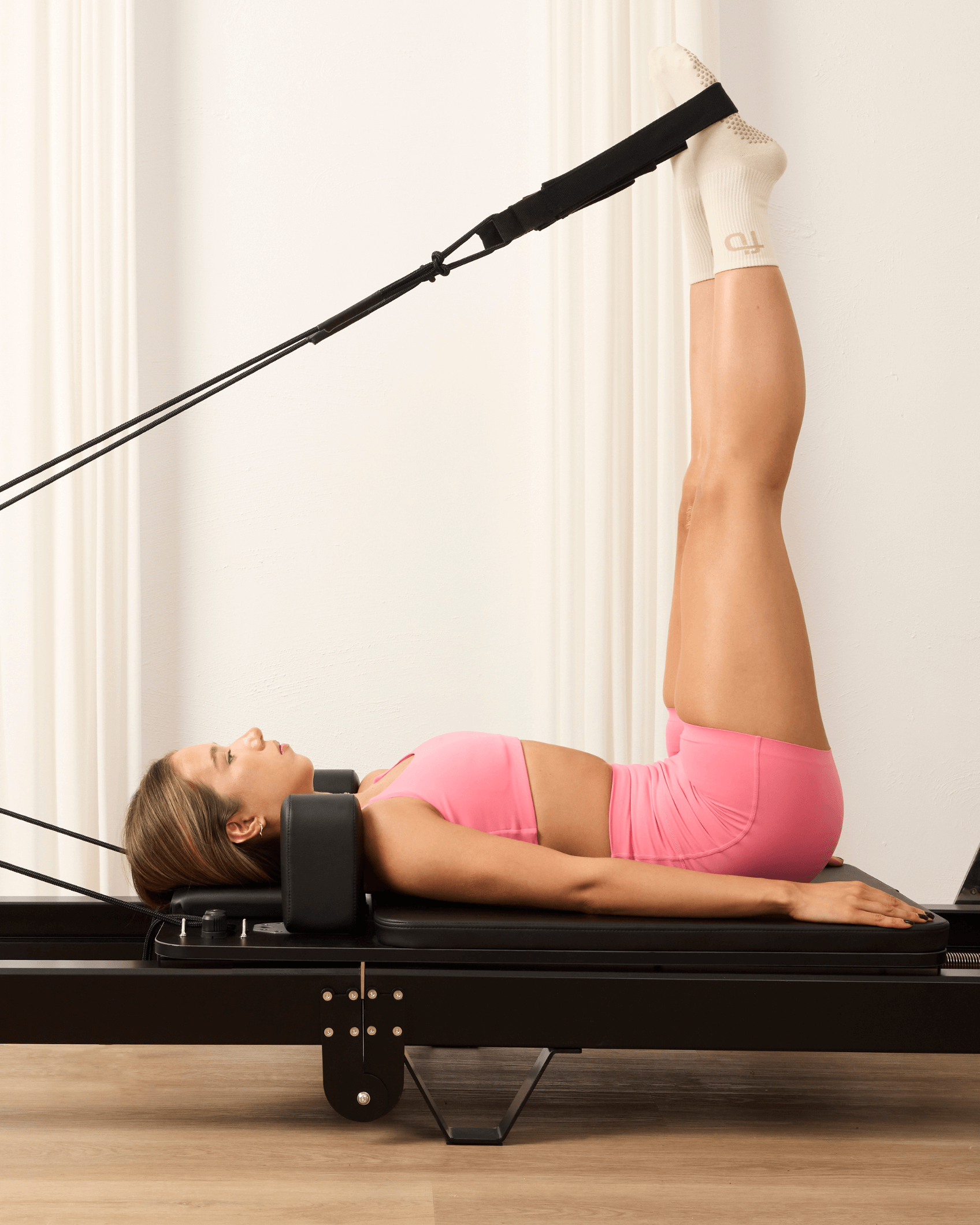
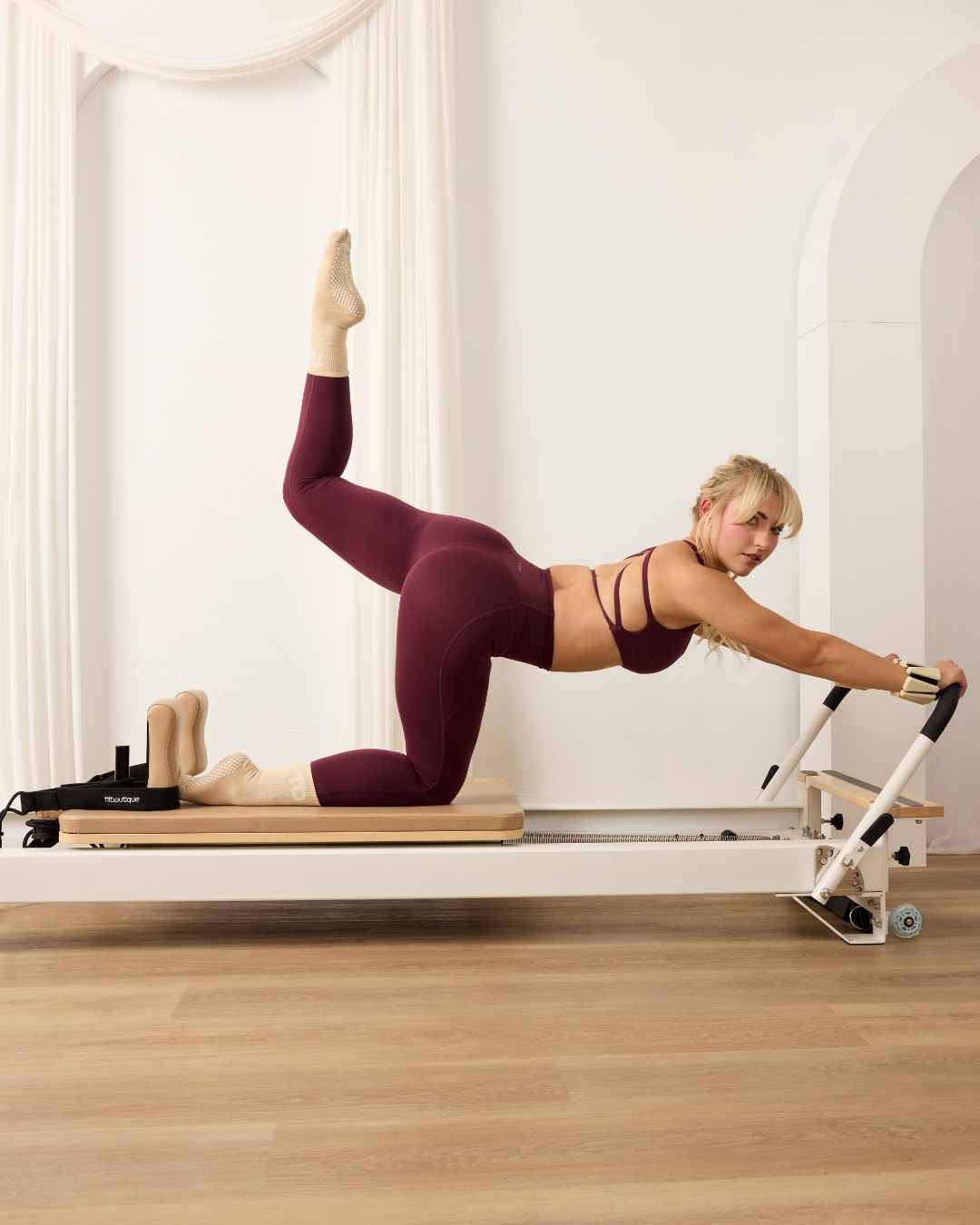
Wear grip socks, which most Sydney studios require and all of them sell at a markup. Take water. Expect your legs to shake in the first 10 minutes and expect that to stop within 3 sessions.
If you want to know what actually happens in a class before you walk in, I wrote that in what a reformer Pilates class looks like, and the machine itself in how to use a Pilates reformer.
When a machine at home wins
I sell reformers, so treat this section accordingly, but the arithmetic is public and you can do it yourself.
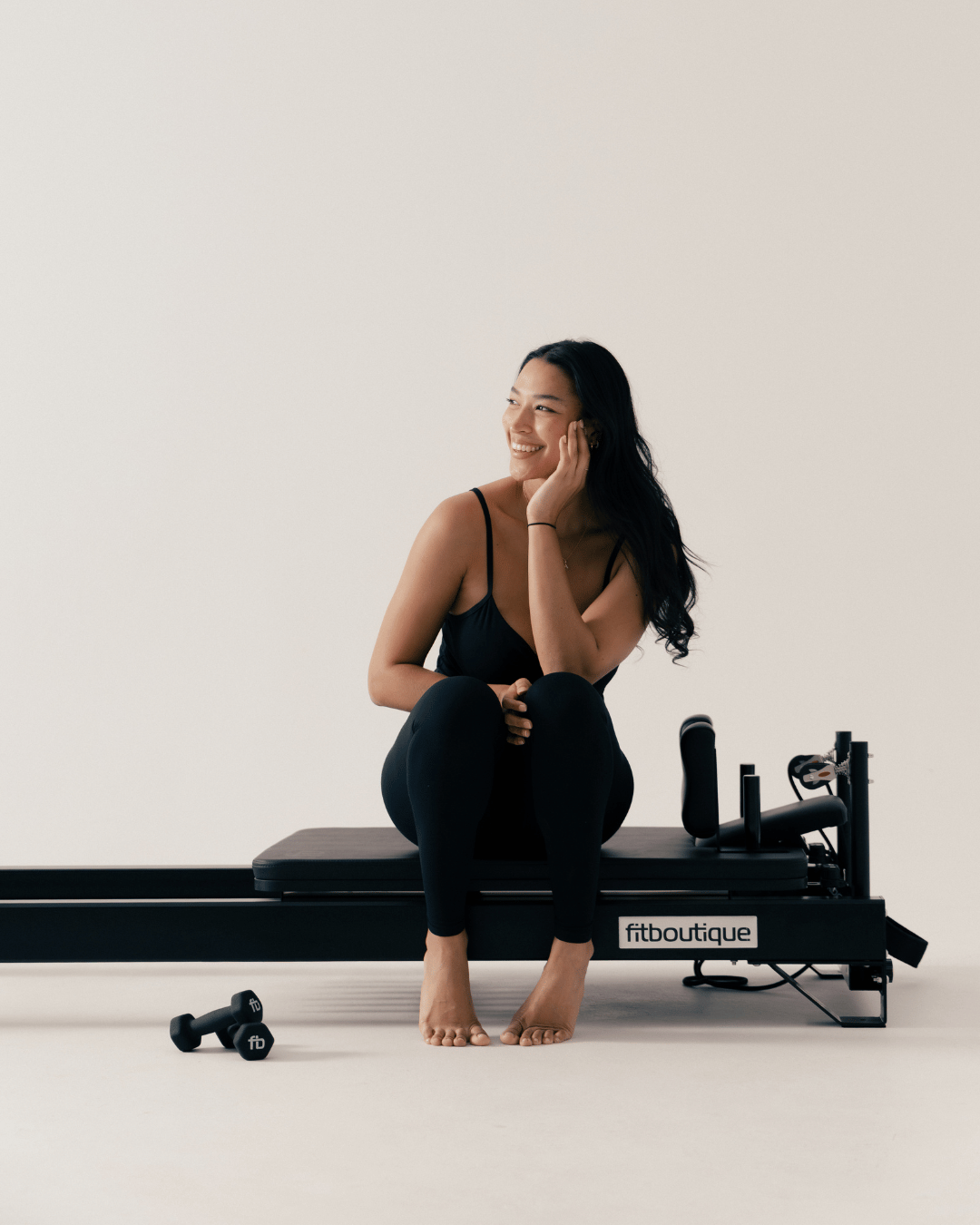
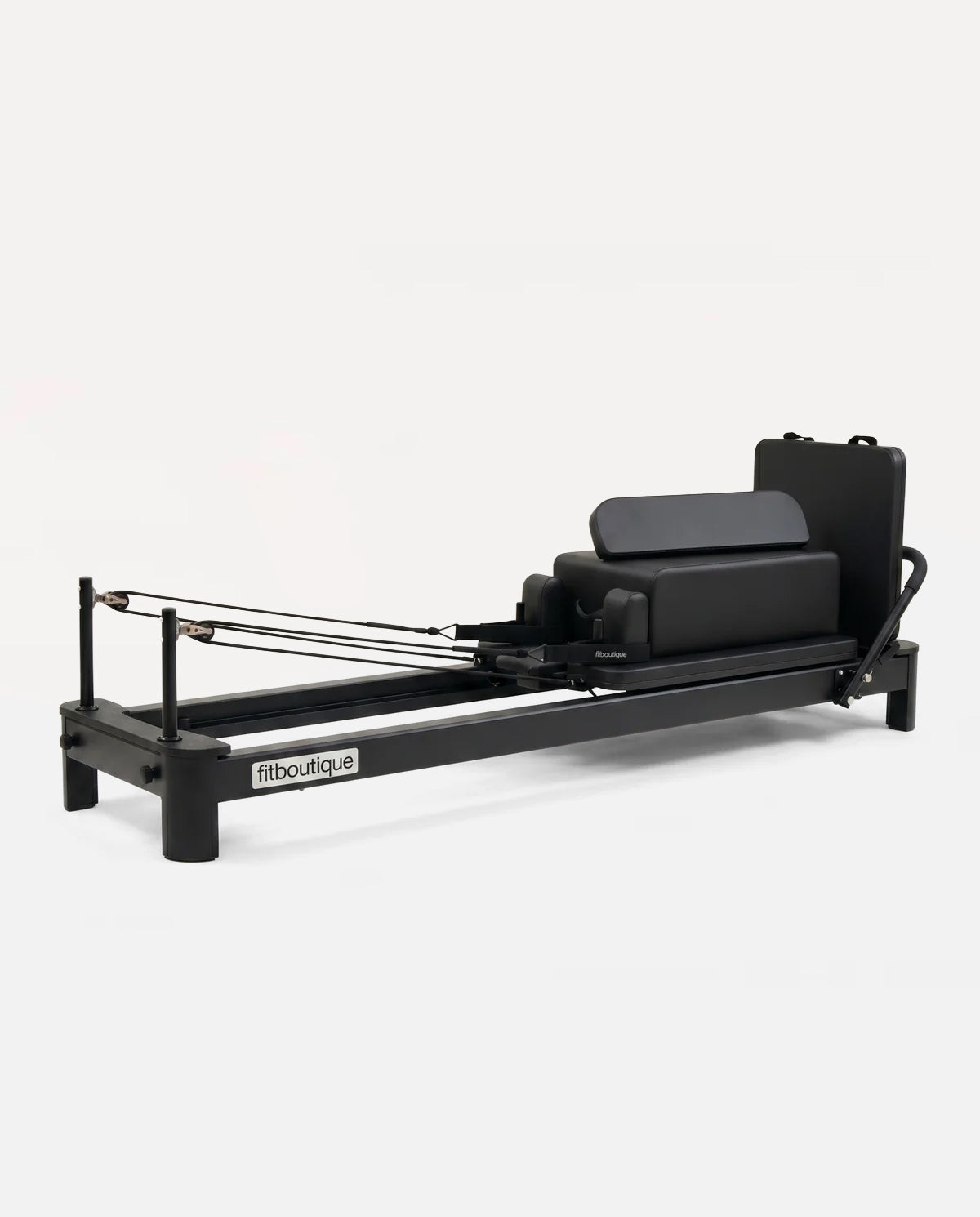
Take the middle of the Sydney range. Two classes a week at $40 is $80 a week, which is roughly $4,100 a year. Three classes a week is over $6,000. A commercial grade machine at home is a one off in the $2,000 to $3,000 range, which most people cross inside the first year at 2 sessions a week.
That is the simple version and it is not the whole picture. A studio gives you an instructor watching you, a timetable that makes you turn up, and other people in the room. Those are real and a spreadsheet does not capture them.
What the spreadsheet does capture is the Sydney specific part. The commute, the parking, the peak class that is always full, and the pack that expired with 3 classes in it. Those costs are invisible on a price list and they are the reason most people who intend to go 3 times a week go once.
If you want the full comparison rather than my version of it, I put the numbers side by side in reformer versus studio membership.

Why most people end up doing both
Almost every Sydney customer I speak to who bought a machine still goes to a studio, just less often.
The pattern is usually 2 or 3 sessions at home during the week, when the timetable and the drive would have beaten them, and one class on a weekend for the instruction and the atmosphere. That combination costs less than a membership, produces more training, and keeps the part of a studio that a machine cannot replace.
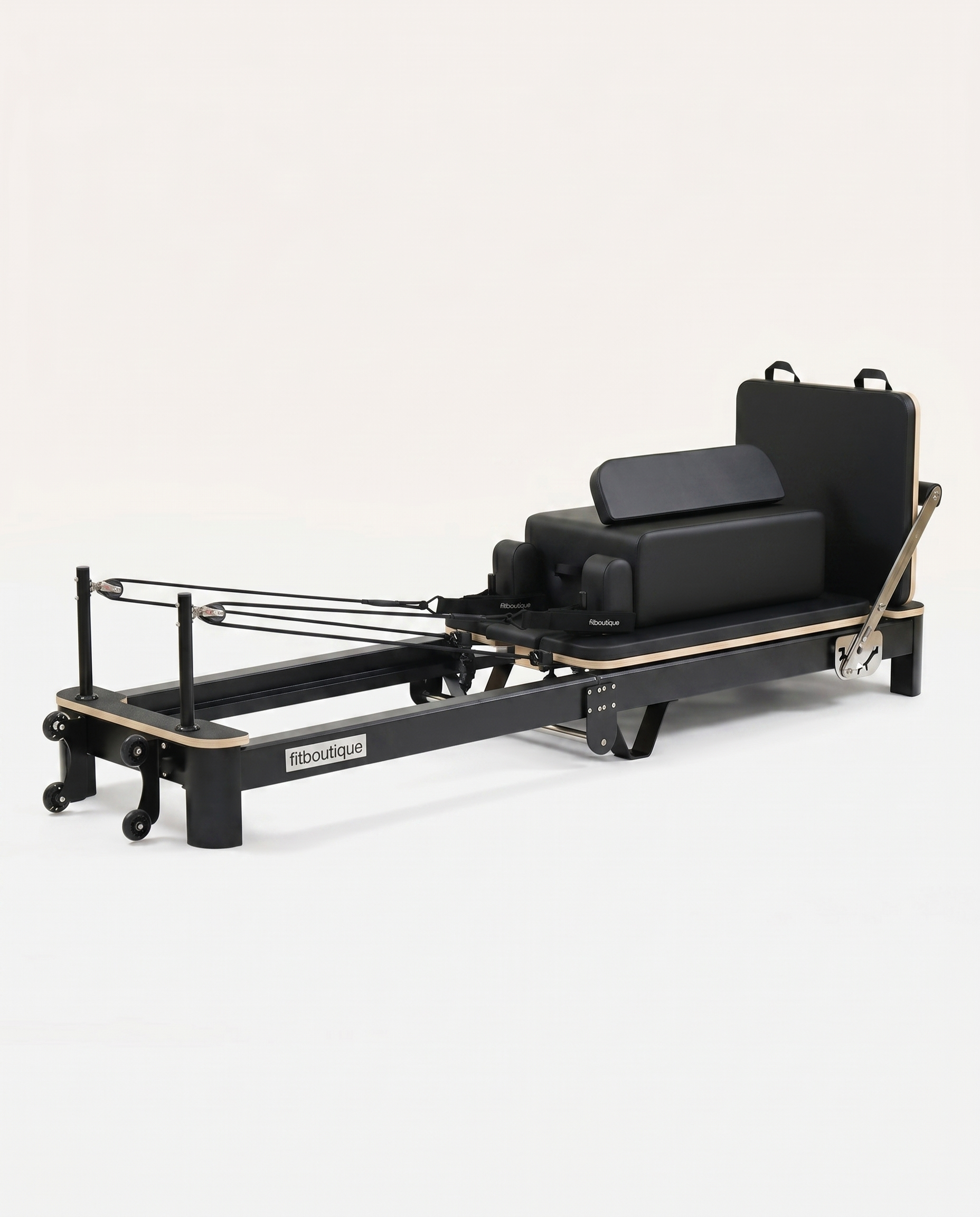
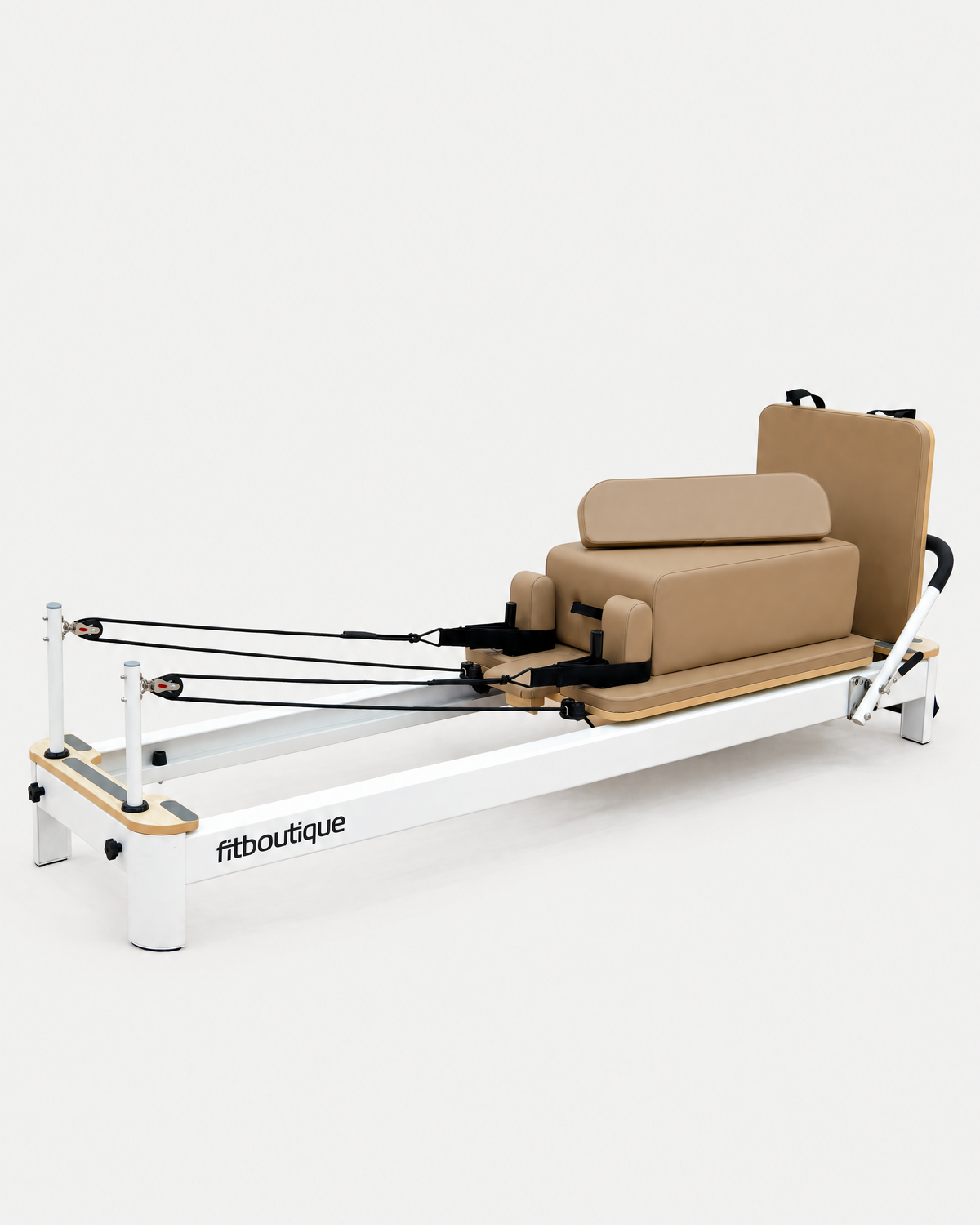
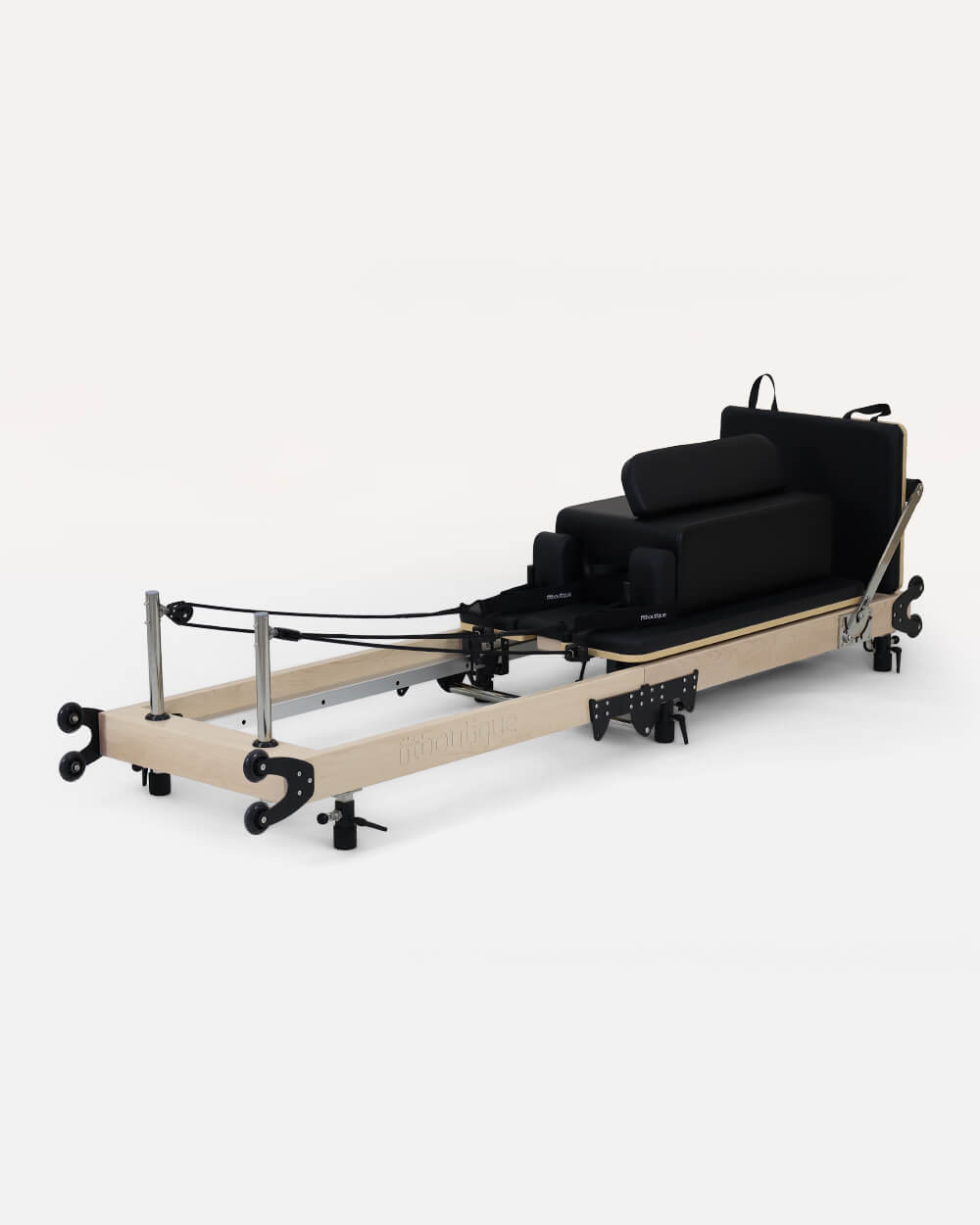
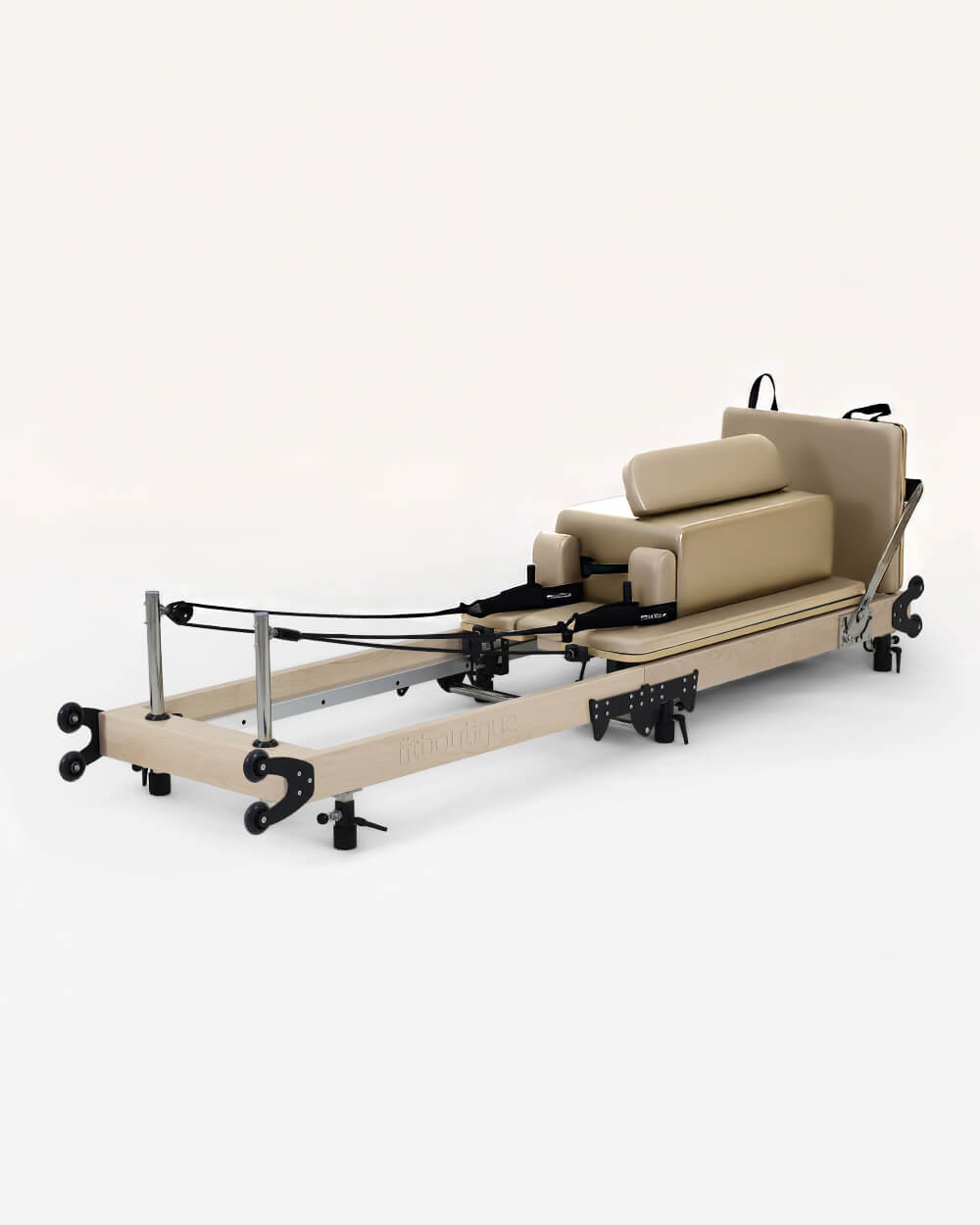
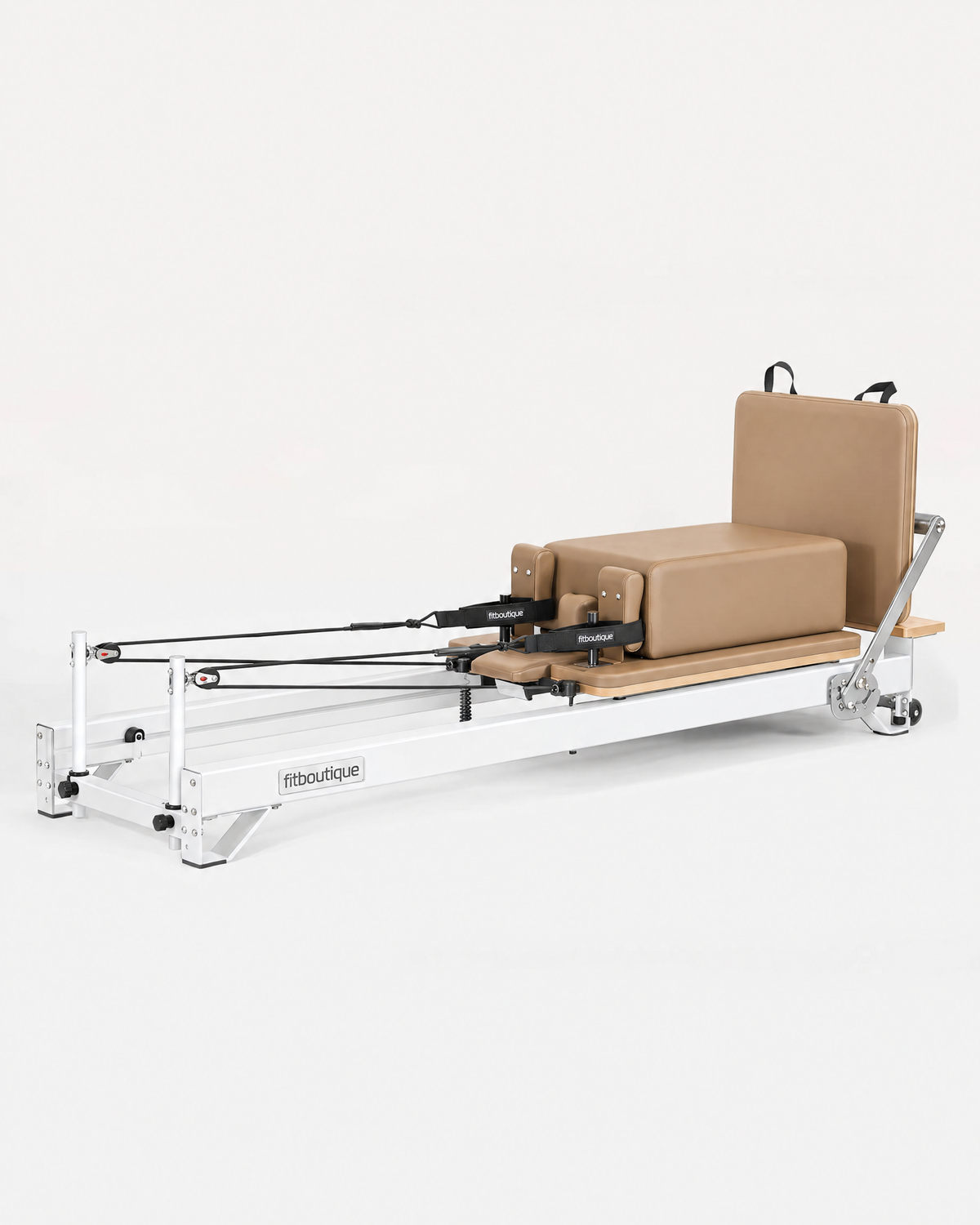
If that is where you are heading and space is the question, a folding model like the Onyx Fold Reformer suits a Sydney apartment, and I went through the apartment specifics in Pilates reformers for apartments. Every machine we sell is delivered free across Sydney, fully assembled.
If you want an honest answer about whether a machine suits your situation, get in touch. If the answer is a studio membership, I will say so.
A Note From Ayrah
The most common Sydney story I hear is not about money. It is about the 6pm class.
Someone signs up near work, picks the slot that fits their day, and discovers within a fortnight that the 6pm is the slot everyone picked. So they take 7pm, which means dinner at 8.30, which they can do on a Tuesday and cannot do 3 times a week.
Two months later they are going once a week and wondering why they are not seeing anything.
So before you buy a pack, open the live timetable and look at the specific class you would attend, on the specific days you would attend it. Not the full timetable. If your slot is already full this week, it will be full next week too, and that single check will tell you more about whether this will work than the price ever will.
Frequently Asked Questions
How much is reformer Pilates in Sydney?
Casual reformer classes run about $30 to $50 nationally, and Sydney sits at the upper end, with group Pilates classes reaching $85 according to 2026 Australian cost data from Airtasker. Ten class packs range from $175 to $400 depending heavily on expiry terms, weekly memberships run roughly $28 to $49, and private sessions start around $80 and go past $150.
Why is reformer Pilates more expensive in Sydney?
Commercial rent and the cost of running a room full of machines in high demand suburbs. A reformer studio can only fit so many people per class, so the economics are very different from a gym. Sydney group class pricing runs higher than Melbourne and considerably higher than Brisbane in the same published dataset.
Which pricing model should I choose?
Casual for your first month, because you do not yet know how often you will go. A pack once you know, read for expiry before price. A capped membership only if you reliably hit the cap. Unlimited only above about 3 classes a week every week, which far fewer people manage than buy it.
Which part of Sydney is best for reformer Pilates?
The CBD has the highest density and the highest prices. The eastern suburbs are the most saturated market, which means more choice and more introductory offers. The inner west skews cheaper and more independent with smaller classes. Coverage thins in the outer suburbs, where travel becomes the main cost.
What should I check before buying a class pack?
The expiry and freeze terms first, then the live timetable for the exact class you would attend. A pack is only good value if you use all of it, and a studio with no availability in your slot is where unused packs come from.
Do I need grip socks?
Most Sydney studios require them and will sell you a pair at the counter for more than they cost elsewhere. Bring your own.
Is a home reformer cheaper than a Sydney membership?
At 2 classes a week at $40, a studio is roughly $4,100 a year. A commercial grade machine is a one off in the $2,000 to $3,000 range, so most people cross over inside the first year. What the arithmetic leaves out is the instructor watching your form and the timetable making you turn up, both of which are worth something real.
Can I do both?
That is what most people settle into. Two or 3 sessions at home during the week when the commute would have beaten them, and one studio class on the weekend for the instruction. It costs less than a membership and produces more training.
Delivered Free Across Sydney
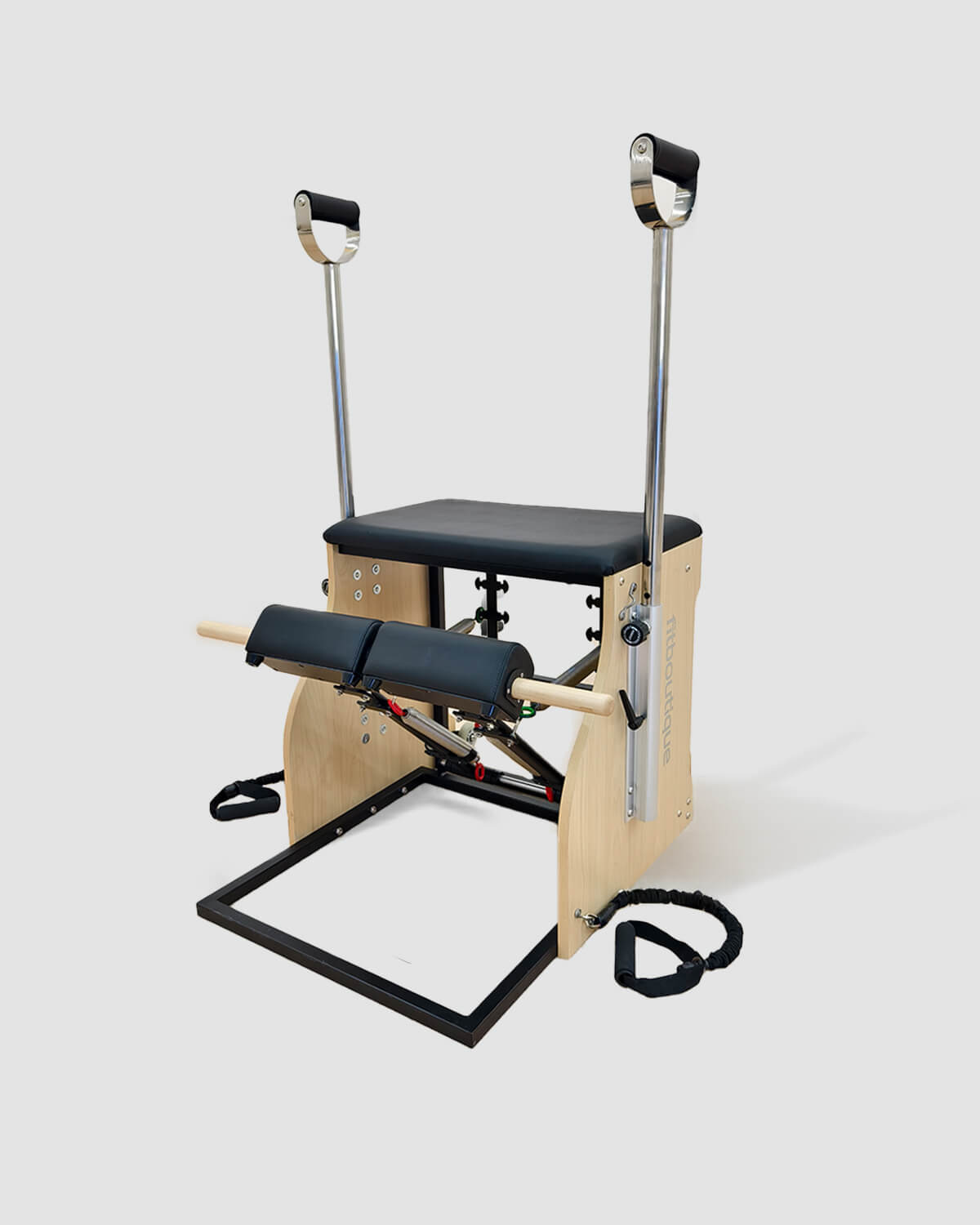
Every FitBoutique reformer arrives assembled with 6 German made springs, a jumpboard and box included, free delivery Australia wide and a 5 year warranty.
Compare Every Reformer
Written by Ayrah Yuso
I'm part of the FitBoutique team and have a solid passion (and love) for all things exercise related, including Reformer Pilates

















Leave a comment