



Can You Do Reformer Pilates With a Bad Back? My Honest Experience
For years I assumed my cranky lower back put me on the "can't do that" list for half of all exercise. So when people kept telling me reformer Pilates was good for backs, I was sceptical, surely a machine with springs and a sliding bed was the last thing a dodgy spine needed. I was wrong, and I want to share what changed my mind. One important note up front: I'm sharing my experience, not medical advice, so please read the bit at the end about checking with your own physio or GP.
In this article
Is reformer Pilates good for back pain?
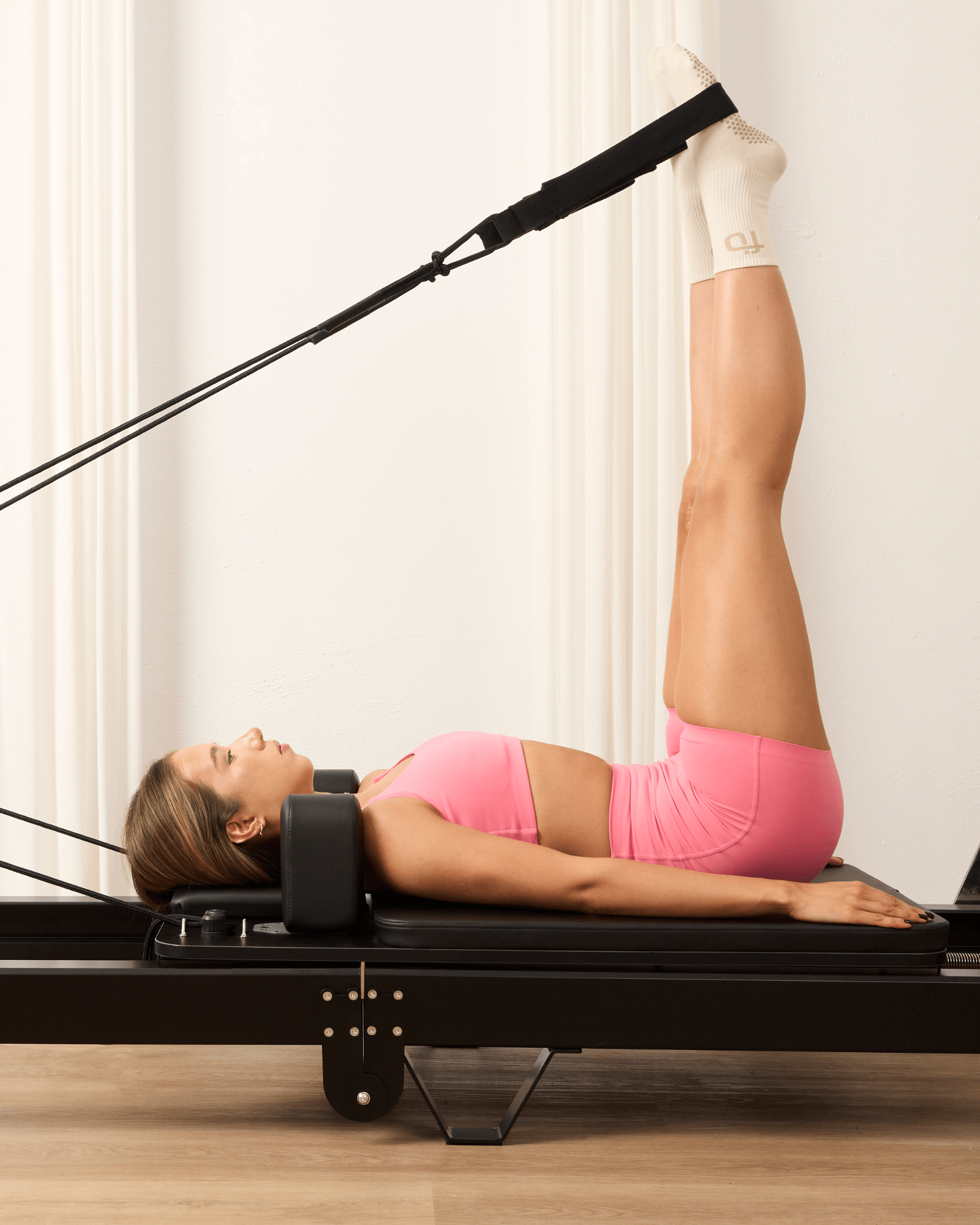
For many people, yes, which is exactly why it's so often used in rehab and physiotherapy settings. The reformer supports your body weight through the carriage and springs, so you can build core and back strength without loading your spine the way running or heavy weights do. Strengthening the muscles around the spine is one of the most commonly recommended approaches to managing everyday back niggles. The key caveat: "back pain" covers everything from general stiffness to serious injury, so what's right depends on you, and that's a conversation for your health professional.

Why low-impact changes everything
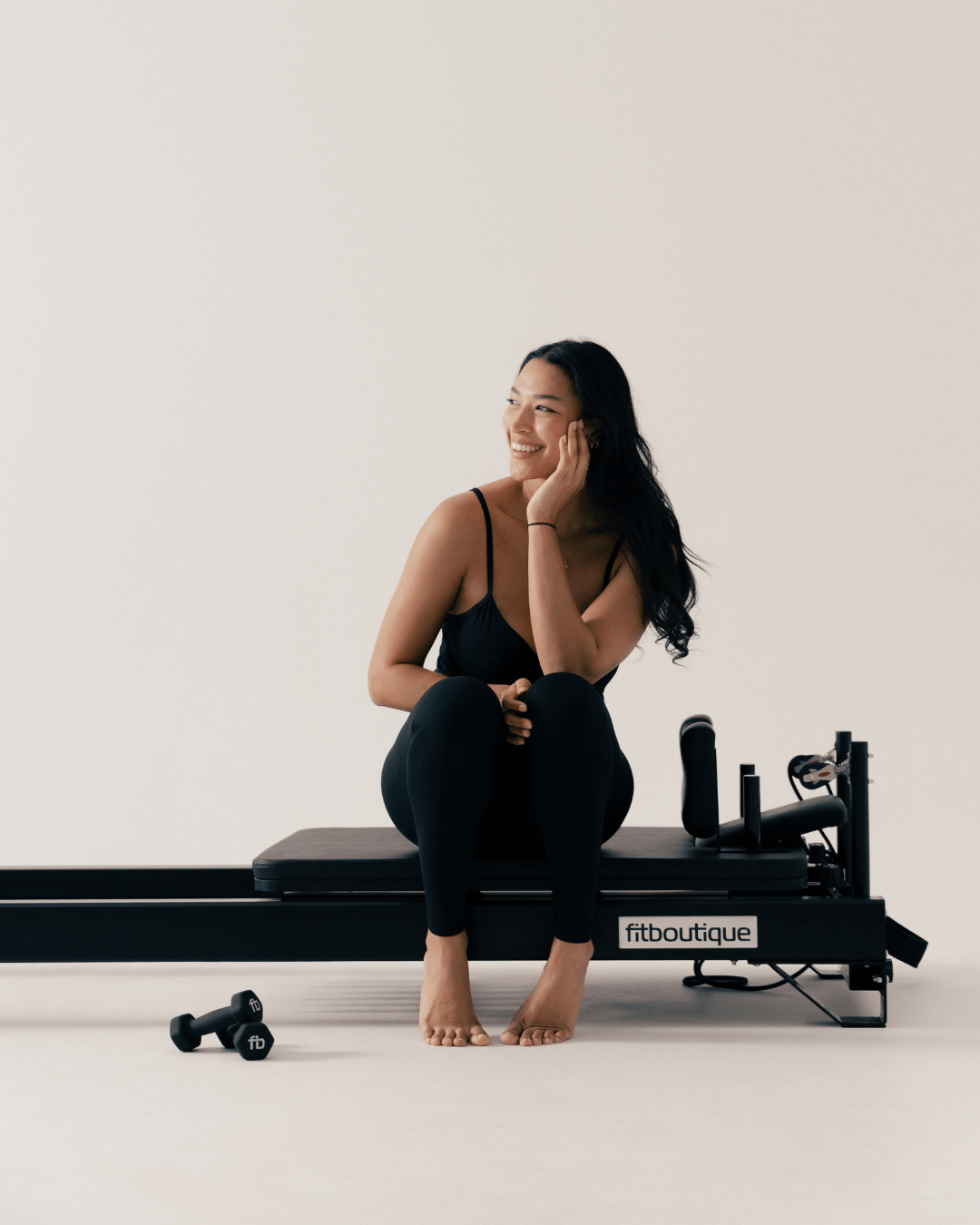
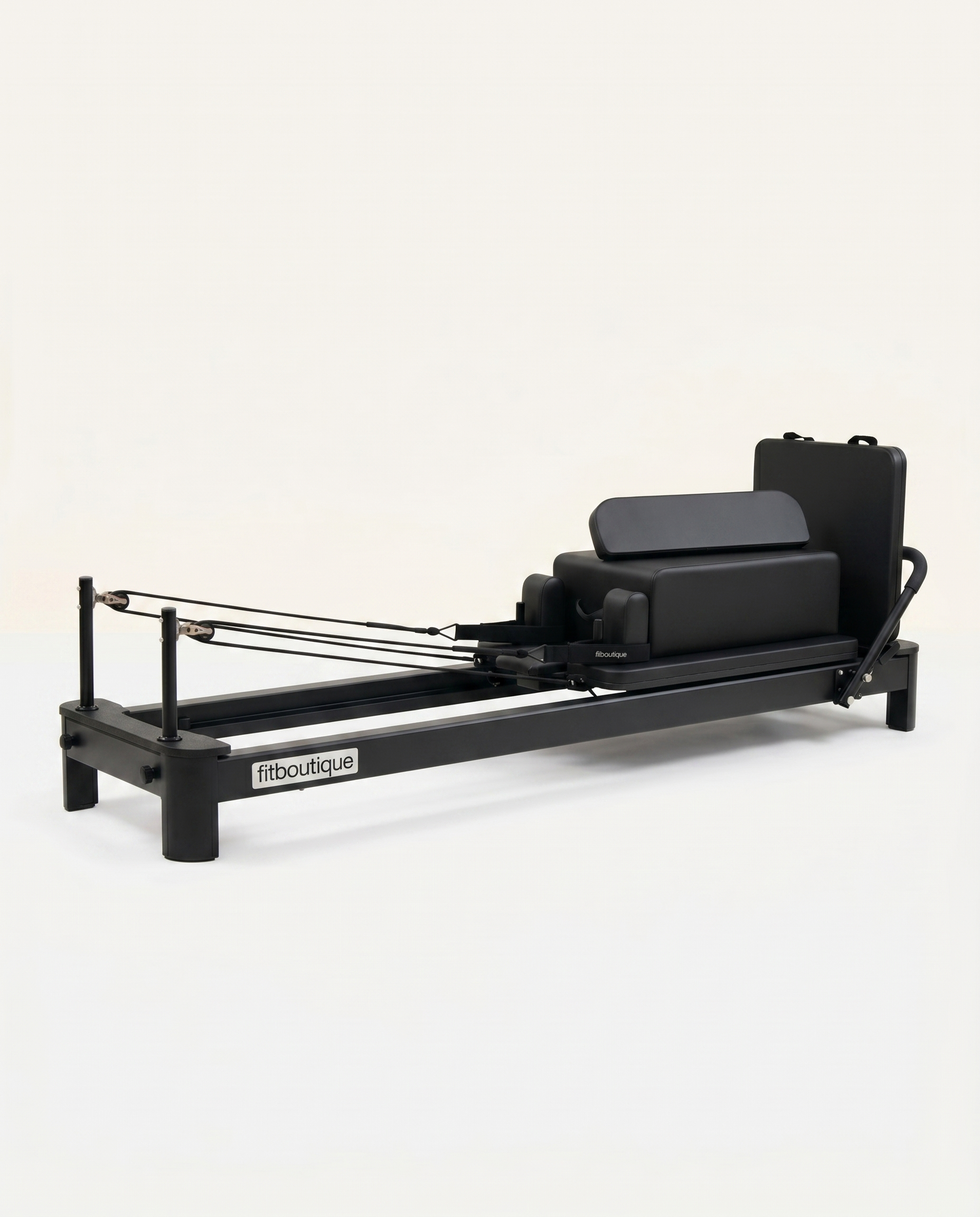
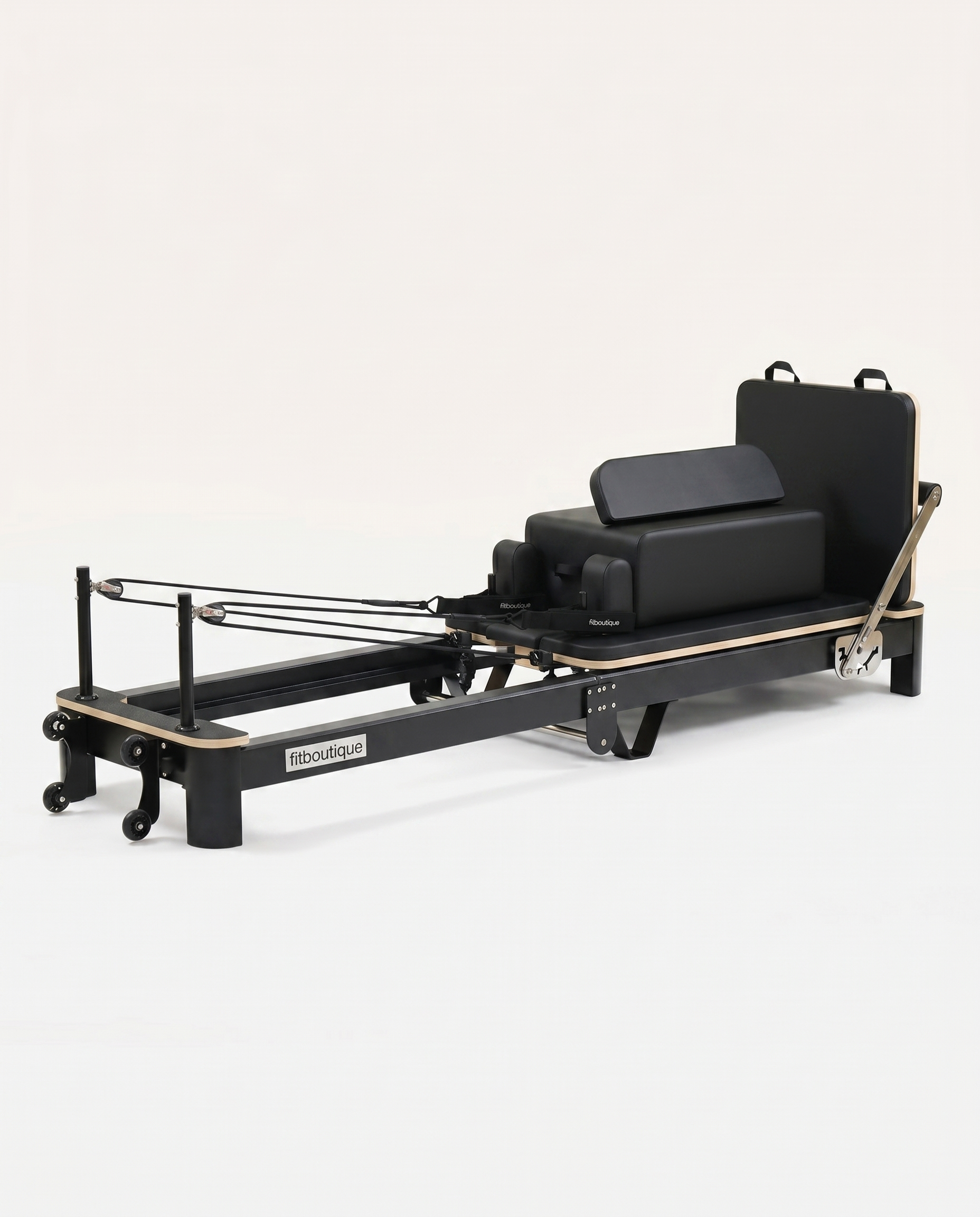
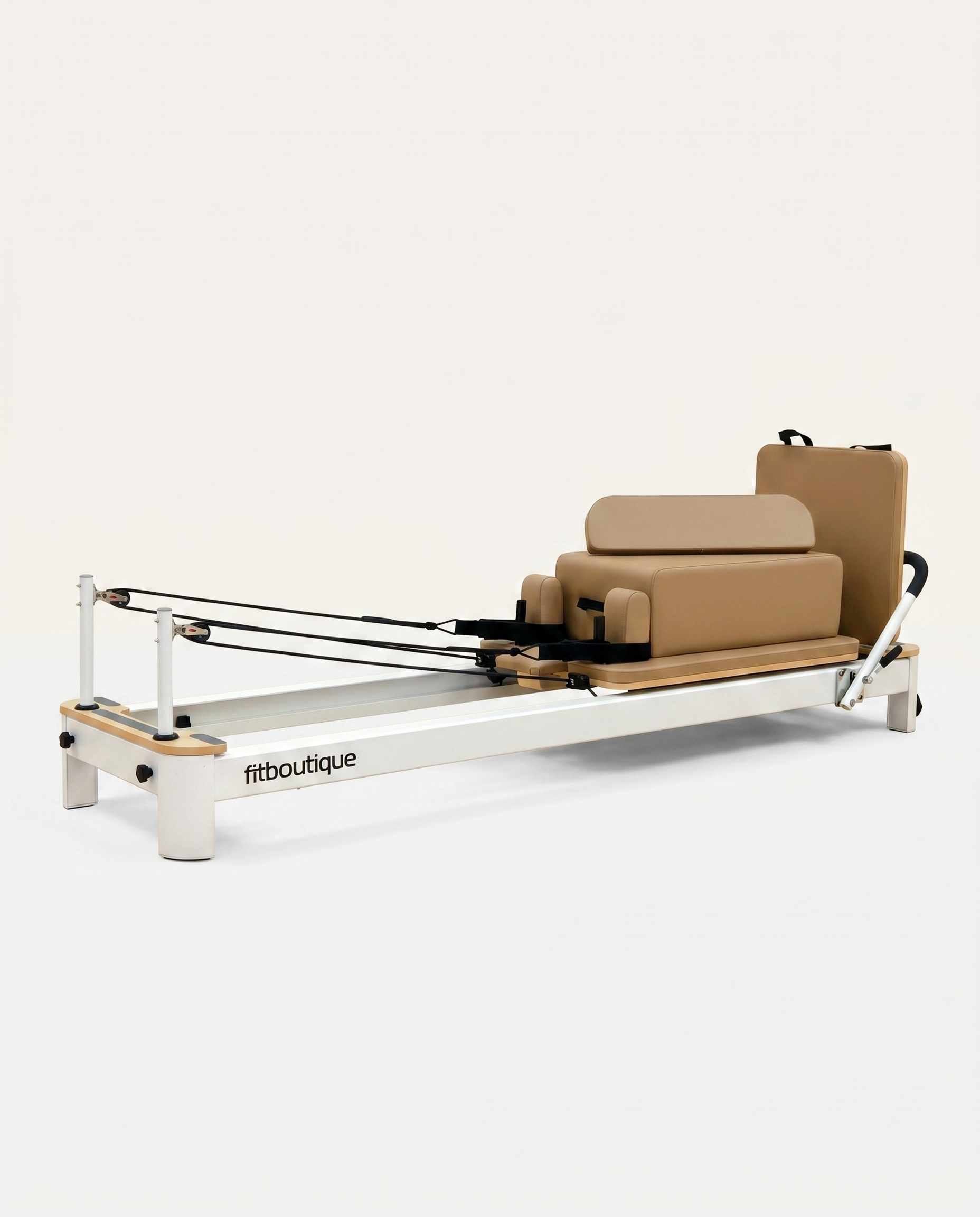
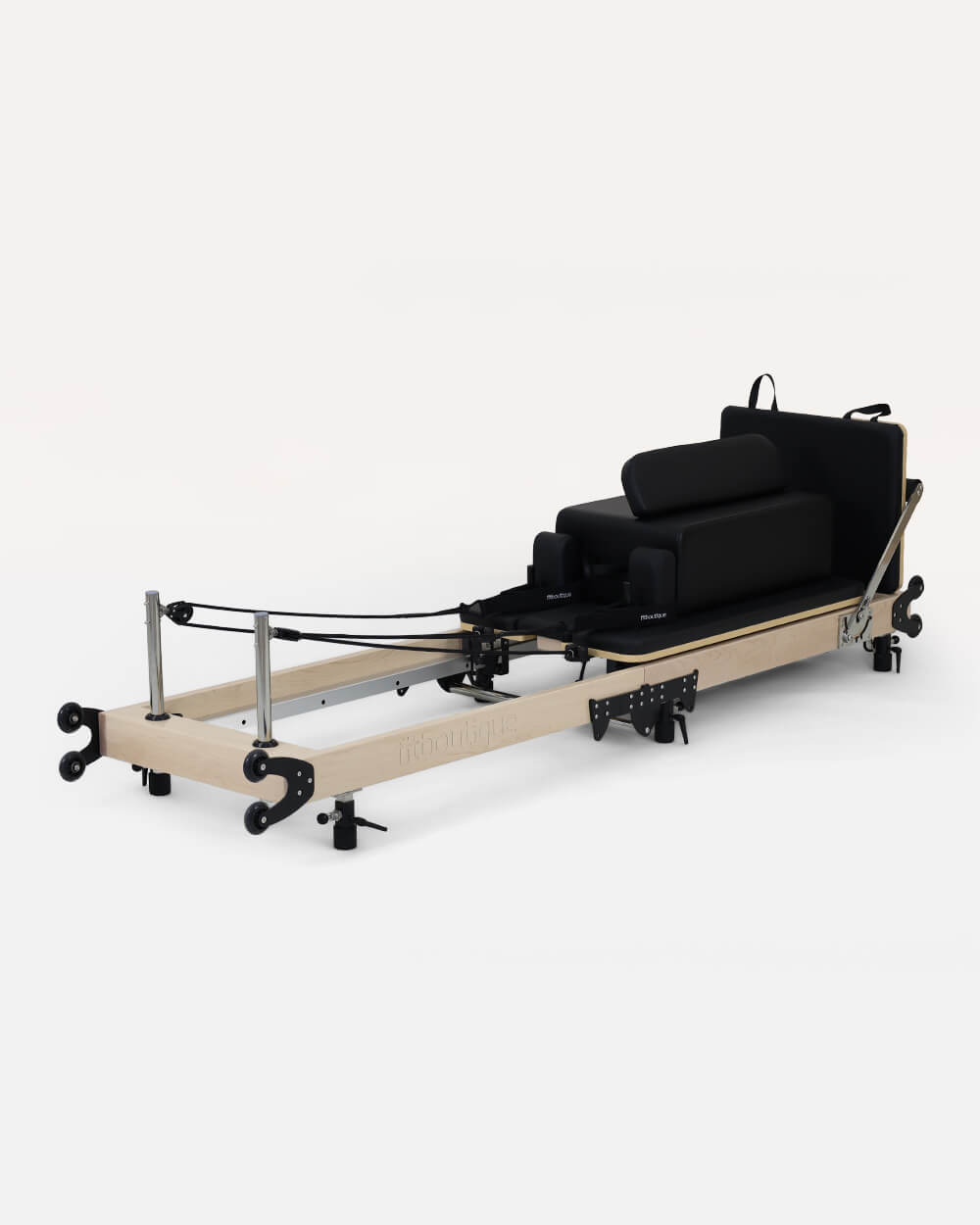
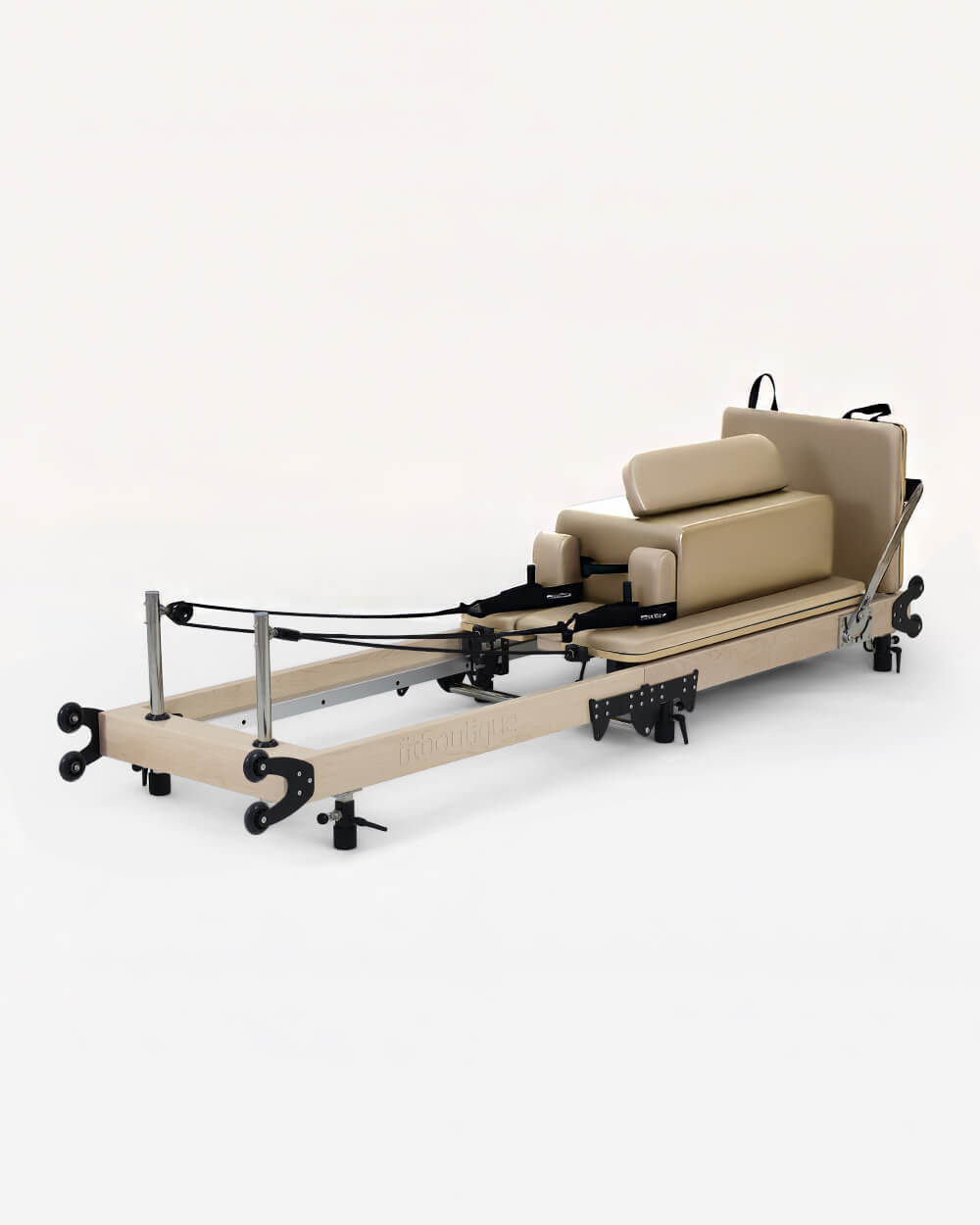
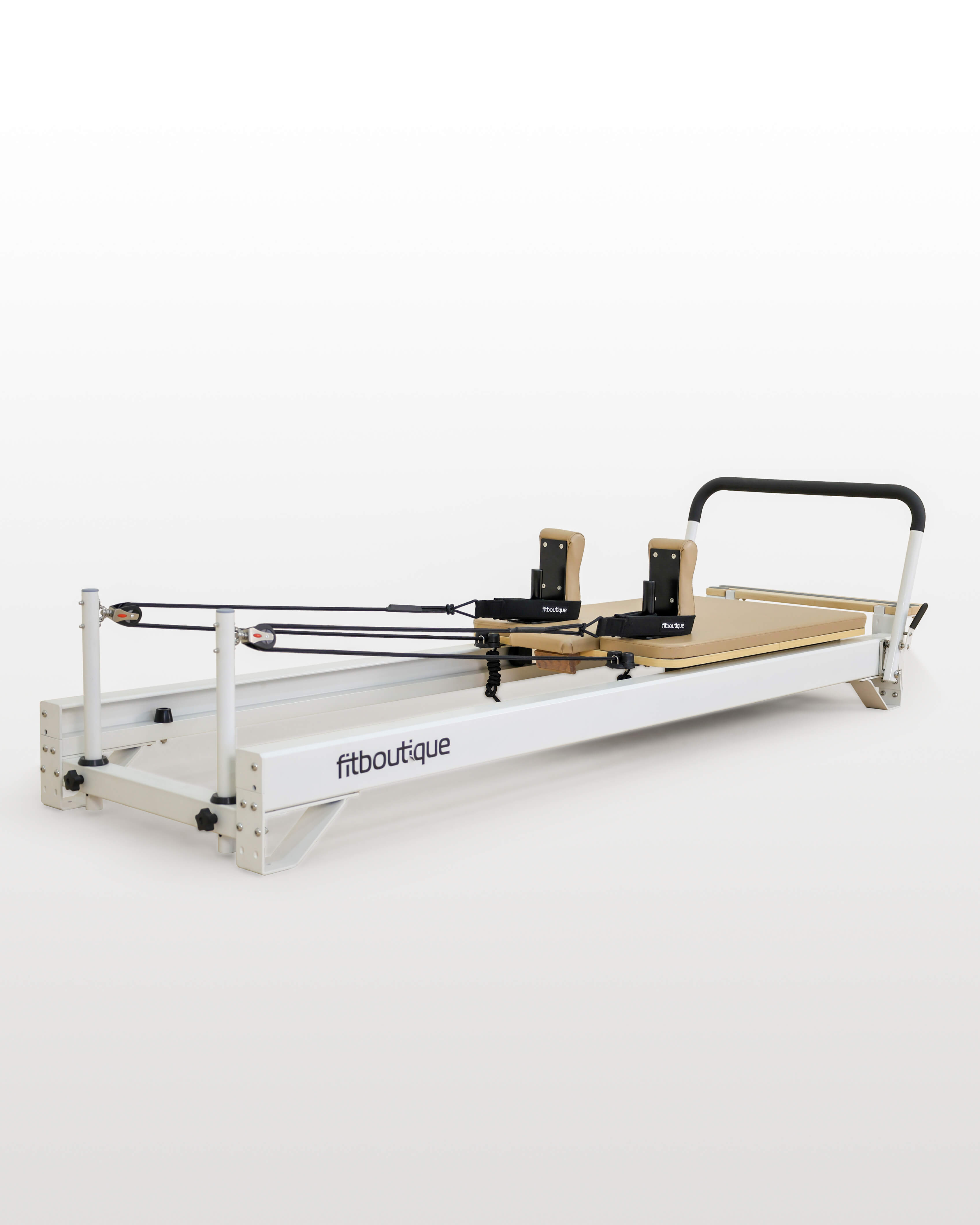
This was the part I hadn't understood. On a reformer there's no jarring, no pounding, no moment where your full body weight slams down through a joint. The movement is smooth and the springs share the load. For a back that flares up the moment I do something high-impact, that gentleness is the whole point. It let me build strength in a way that felt safe and controlled rather than risky. The adjustable headrest and footbar also mean you can set the machine up to support your particular body rather than forcing yourself into one fixed position.
What about dodgy knees?
Same logic, happily. Because the reformer is low-impact and you're often lying or sitting rather than bearing weight through bent knees, it tends to be far kinder to sore joints than, say, jumping or running. The springs let you reduce resistance right down so the knee is moving and strengthening without strain. Again, individual injuries vary, so get specific knee problems checked, but the low-impact nature is genuinely a gift for cranky joints.
How I ease in safely
My rules, learned the gentle way: start with lighter springs and slow, small ranges of movement; stop the moment something feels sharp (sore-muscle ache is fine, sharp or nervy pain is not); and prioritise control over intensity every single time. At home I lean on beginner guided sessions rather than improvising, our Fit by FitBoutique on-demand app (launching very soon) makes that easy, so I'm always moving with proper form. Consistency with gentle sessions did far more for my back than the occasional ambitious one.

When to check with a professional
This is the non-negotiable bit. If you have an existing back or knee injury, a recent flare-up, or any pain that worries you, talk to your GP, physio or a qualified Pilates instructor before you start, and ideally have them guide your early sessions. A good professional can tell you which movements to favour and which to skip for your specific situation. Reformer Pilates is wonderfully adaptable, but it should be adapted to you by someone qualified, not guessed at. Get the green light, then enjoy how good moving gently can feel.
Frequently Asked Questions
Is reformer Pilates safe for back pain?
For many people it's helpful, which is why it's widely used in rehab, but it depends on the cause of your pain. The reformer is low-impact and supports your weight, letting you strengthen the back gently. Always get clearance from your GP or physio for an existing injury.
Can I do reformer Pilates with bad knees?
Often yes, because it's low-impact and the springs let you lower resistance so the knee strengthens without strain, frequently while lying or sitting rather than bearing weight. Have specific knee injuries assessed by a professional first.
How do I start safely with a sensitive back?
Use lighter springs, small controlled ranges, and stop at any sharp pain. Favour consistency with gentle sessions over occasional intense ones, and follow beginner guided classes rather than improvising. Ideally have a professional guide your early sessions.
Should I see a professional before starting?
Yes, if you have an existing injury, a recent flare-up, or pain that concerns you. A GP, physio or qualified instructor can tell you which movements suit your situation and guide your form. This article is experience, not medical advice.
Move Gently, Build Strength
A low-impact reformer that supports your body, with free Australia-wide delivery and a 5-year warranty.
Shop the Reformer Range
Written by Ayrah Yuso
I'm part of the FitBoutique team and have a solid passion (and love) for all things exercise related, including Reformer Pilates

















Leave a comment